
ORLANDO, Fla. — A house bill filed by a Central Florida representative aims at creating a plan for public school staff if a student with a disability elopes, or runs away unattended.
What You Need To Know
House Bill 423, called Student Elopement, was filed by Rep. Anna Eskamani
The bill would require public schools to create a student elopement plan and SAFE team
Parents of children with disabilities say they support the legislation
If approved, the bill would go into effect July 2026
House Bill 423 was filed by State Rep. Anna Eskamani, D-District 42. The bill would require public schools to create a School Staff Assistance for Emergencies (SAFE) Team and emergency elopement plan if a student with disabilities leaves the school unattended.
“When it comes to safety of our children, especially our children with disabilities, these are not partisan issues. Everyone agrees there’s universal support. We just have to really work through the process to actually get this bill to the governor’s desk,” said Eskamani.
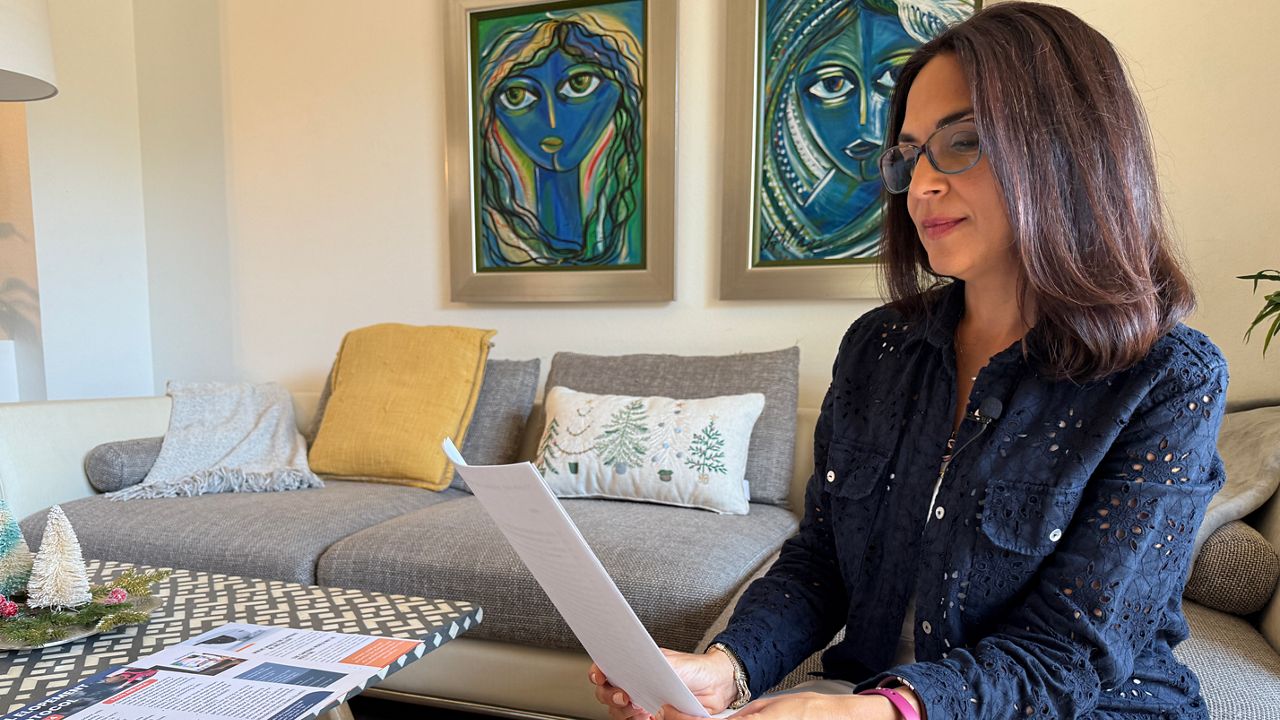
HB 423 would bring relief to parents like Monica Carretero, who says her child used to elope when he was younger. She is involved with the Autism Society of Greater Orlando.
“Eloping is one of the most nerve-wracking situations that any parent of a child with a disability can have,” said Carretero.
The plan includes contacting the student’s parent or guardian, searching the campus and calling 911 if the student is gone, and creating a reference guide for the school SAFE Team — including the kid’s photo, level of communication and places they may have gone.
Carretero told Spectrum News eloping is so common, “it demands systematic change.”
“I really hope that all of this time that we have been explaining to legislators how elopement affects people with disabilities, I think that we have made them aware that this needs to happen,” said Carretero.
A similar bill was filed in the Florida Senate, SB 494, by State Sen. Kristen Arrington, D-District 25.
Eskamani says the bill has received bipartisan support and they need a hearing in both the House and Senate. If the bill gets approved and signed by Gov. Ron DeSantis, it goes into effect July 1, 2026.