
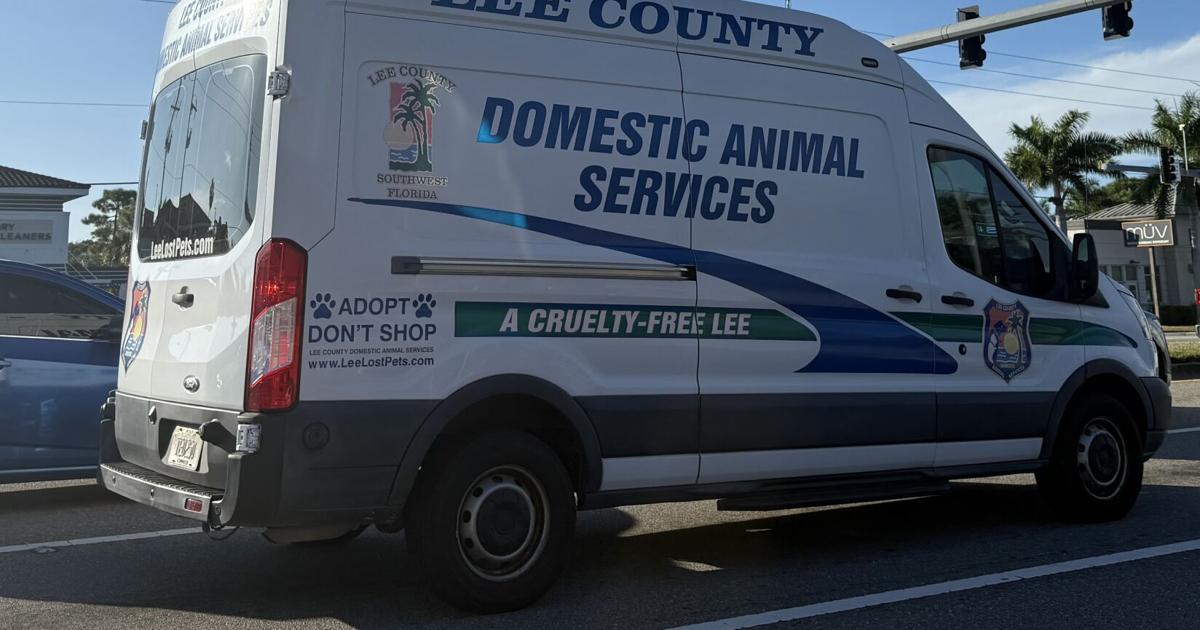
LEE COUNTY, Fla. — Lee County commissioners will vote on changes to its animal control ordinance on Tuesday, but animal advocates say they believe the changes are “too minor” and don’t address concerns residents have shared during commission meetings.
“Our commissioners, they have to change the ordinances,” Linda Shelmar, an animal advocate, said. “They need to involve the people and this is the thing, they’re making some changes now that don’t make sense.”
In June, Kevin the house cat, a beloved pet, was [LCDAS] because he did not have a microchip.
At the time, LCDAS did not have a hold time for cats that come to the shelter.
The decision to put Kevin down came after his arrival at the shelter, and his death sparked pressure from the community to change the system.
“My kids still really miss him,” Angela Tardiff, Kevin’s owner, said in June.
County leaders responded at the time by implementing a .
Animal advocates WINK Investigates spoke to say the hold time should be extended even more because they believe its contributing to the shelter’s euthanasia rates.
“The hold times are way too hasty,” Marsha Ellis, another animal advocate, said.
Proposed changes to animal control ordinance
The new proposal keeps hold times the same: 24 hours for cats without a microchip and three days for dogs that aren’t chipped.
Some of the changes that are provided in the new proposal include creating a stray intake portal to help owners find missing pets, and requiring mandatory microchipping for pets leaving the shelter, which is not currently required by law.
“Prior to release from Animal Services’ shelter, all dogs, cats and ferrets must be microchipped; with the microchip being registered to the pet owner,” proposed changes to the Lee County cites.
The proposal does not include language regarding how requirements related to entering information in the portal will be enforced.
Data from the county’s intake and outcome reports shows between January and July, LCDAS’s euthanasia rate was 209 animals per 1,000 in its care. In May alone, data shows 213 dogs and cats were euthanized, more than any other month during that time period.
Even their lowest month, January, saw 127 euthanasia’s, data shows.
Animal advocates we spoke to say they believe those numbers are far too high.
“It’s not just been an accidental euthanasia of just a single pet on a bad day,” Ellis said. “This is a recurring pattern. These are serial problems that are happening over time.”
WINK Investigates emailed the county twice requesting an interview with shelter leadership, but a spokesperson declined.
“We will not be doing staff interviews prior to the Board meeting when this agenda item is voted on,” Lee County’s Director of Communication Betsy Clayton said in-part in an email.
WINK Investigates also emailed each commissioner requesting an interview to discuss the proposed changes.
“You have the ordinance, not sure why you are listening to the radical activists,” District 2 Commissioner Cecil Pendergrass said in an email.
District 3 Commissioner David Mulicka’s assistant said in an email he would be available for an interview after 2 PM on Monday.
In a follow up email, she declined an interview on his behalf.
“Commissioner Mulicka’s schedule can no longer accommodate your interview request,” District 3 Commissioner David Mulicka’s Executive Assistant Anne Campbell stated in-part in an email.
A push for changes
Advocates say they believe LCDAS’s euthanasia rates would be lower if the county also adopted a medical and behavioral assessment process.
from Lee County commission meetings show Shelmar has been suggesting this for nearly two years.
“It goes to making sure the dogs are safe to be adopted the correct way, and it also goes to making sure ones that didn’t deserve to die because they misassessed them or didn’t assess them completely,” she said.
Tara Zajas, director of the Animal Welfare League in Charlotte County, a no-kill shelter, said she believes training and assessments are crucial.
“We actually have a behaviorist, a licensed dog behaviorist, right now, that is trained to know what aggression looks like,” Zajas said. “Sometimes, aggression comes out and somebody who’s not trained might be like, ‘This is an aggressive dog,’ and they’re like, ‘No, it’s not. It’s just this environment.”
Ellis and Shelmer said they both plan to attend Tuesday’s commission meeting.
WINK Investigates will be there, too.
“The changes are too minor to really address the seriousness of the concerns that have been brought out in the community,” Ellis said.
WINK Investigates is committed to following this story and will update you as we learn more.