
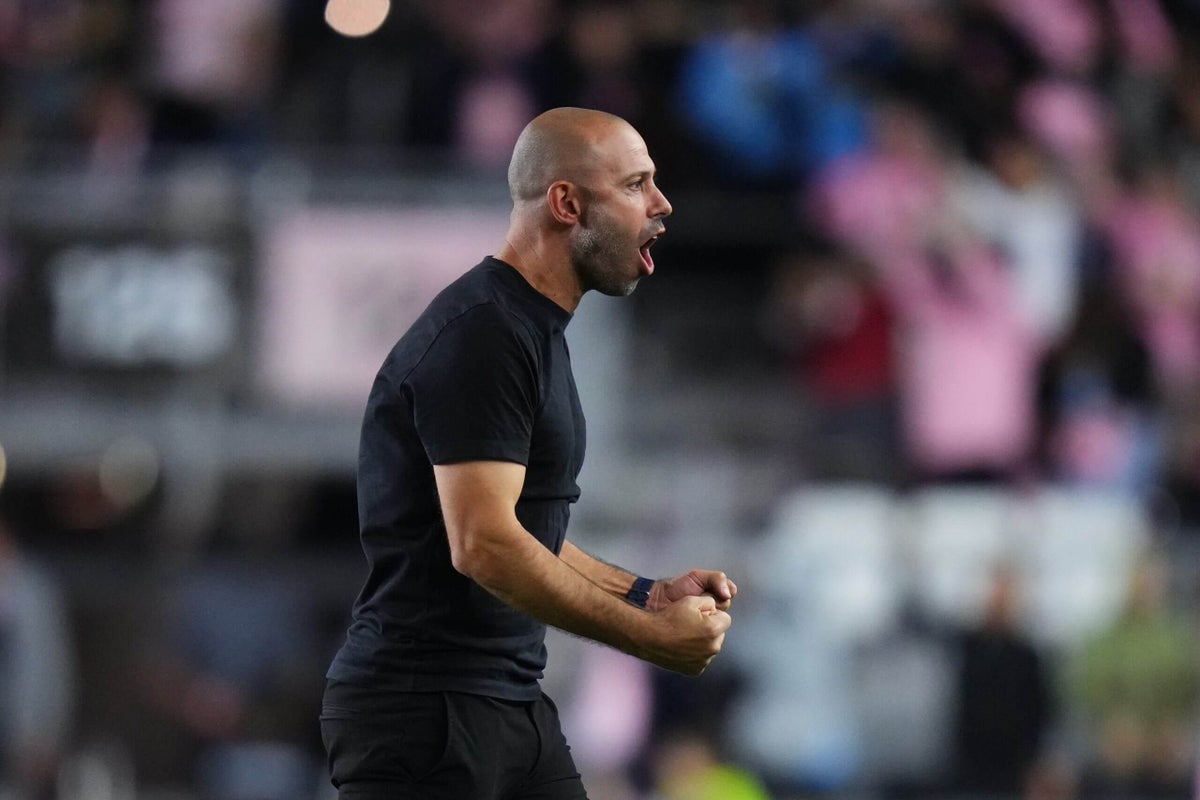
Regardless of whether Javier Mascherano heard the widespread criticism that came along with his hiring as Inter Miami head coach, he is not naive.
Mascherano knew the pressure of the club and, given his personal relationship with Lionel Messi, probably figured the news of his hire was widely panned. He was denounced as only getting the job because he used to play with Messi, Sergio Busquets, Jordi Alba and Luis Suárez at Barcelona.
“People in the world can have their opinion … but I am convinced that I am capable of coaching the team,” Mascherano told the media at his introductory press conference. “I can do it. I have no doubt.”
That press conference was December 3, 2024.
On December 6, 2025, almost exactly a year to the day, Mascherano will be roaming the Chase Stadium touchline, leading Inter Miami in MLS Cup against the Vancouver Whitecaps.
For all the star power in the team, and Messi’s supernatural run of form down the stretch and in the playoffs, Miami is in position to hoist its first MLS title because of a number of key changes Mascherano made.
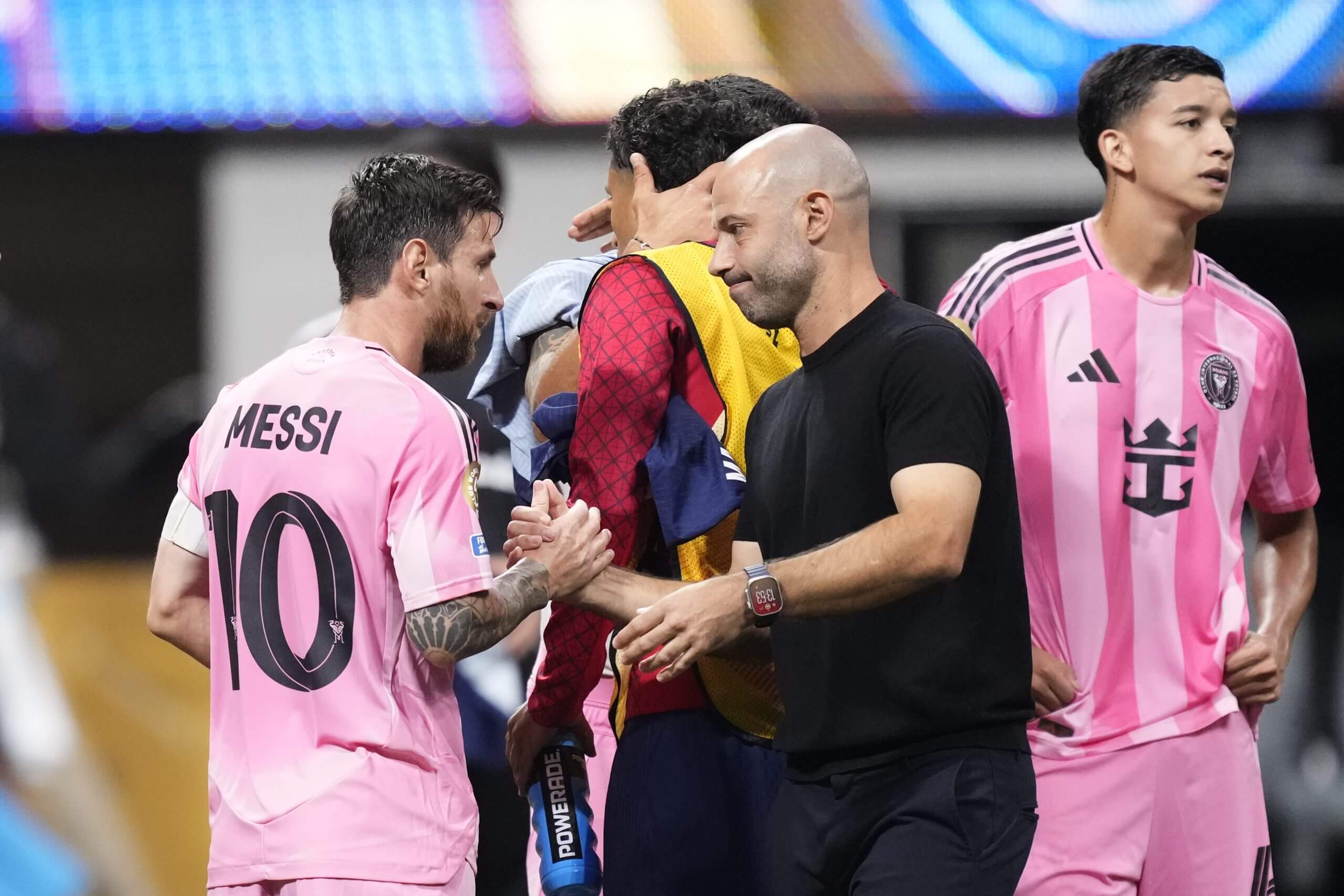
Javier Mascherano and Lionel Messi went from teammates to a coach/player relationship. (Jose Breton / Pics Action / NurPhoto via Getty Images)
Not bad for a 41-year-old manager in his first job as a senior team’s head coach.
“It’s Masche’s first high-profile job as a coach, I think he’s done an amazing job,” managing owner Jorge Mas said after the conference semifinal win over FC Cincinnati.
Mas was later asked if Mascherano is under-appreciated as a coach.
“He’s appreciated by me,” he said.
Mascherano has put his stamp on this team, as his Inter Miami plays differently than last year’s group under Tata Martino.
That team was wide open in defensive transition, an Achilles heel that was covered just barely enough in the regular season en route to a league-record point total, but was exposed in round one of the playoffs by eight-seed Atlanta United. The 34-point gap between the clubs made for the biggest playoff upset in MLS history and served as baggage following the club throughout the season and into the 2025 playoffs.
Even more than the year-over-year change, this team has undergone a transformation since the beginning of the season.
This team has evolved and grown, as Mascherano has as a coach. Prior to Miami, he was the U-20 and U-23 Argentina national team coach. Coaching youth ranks, even at the most elite level as he was, is vastly different than the first-team level. The same can be said for club coaching vs. coaching a national team.
Ironically, Miami’s season nadir came in May against this weekend’s MLS Cup opponent.
Vancouver met Miami in the Concacaf Champions Cup semifinal and thoroughly outplayed Mascherano’s side, winning both legs and reaching the final on a 5-1 aggregate.
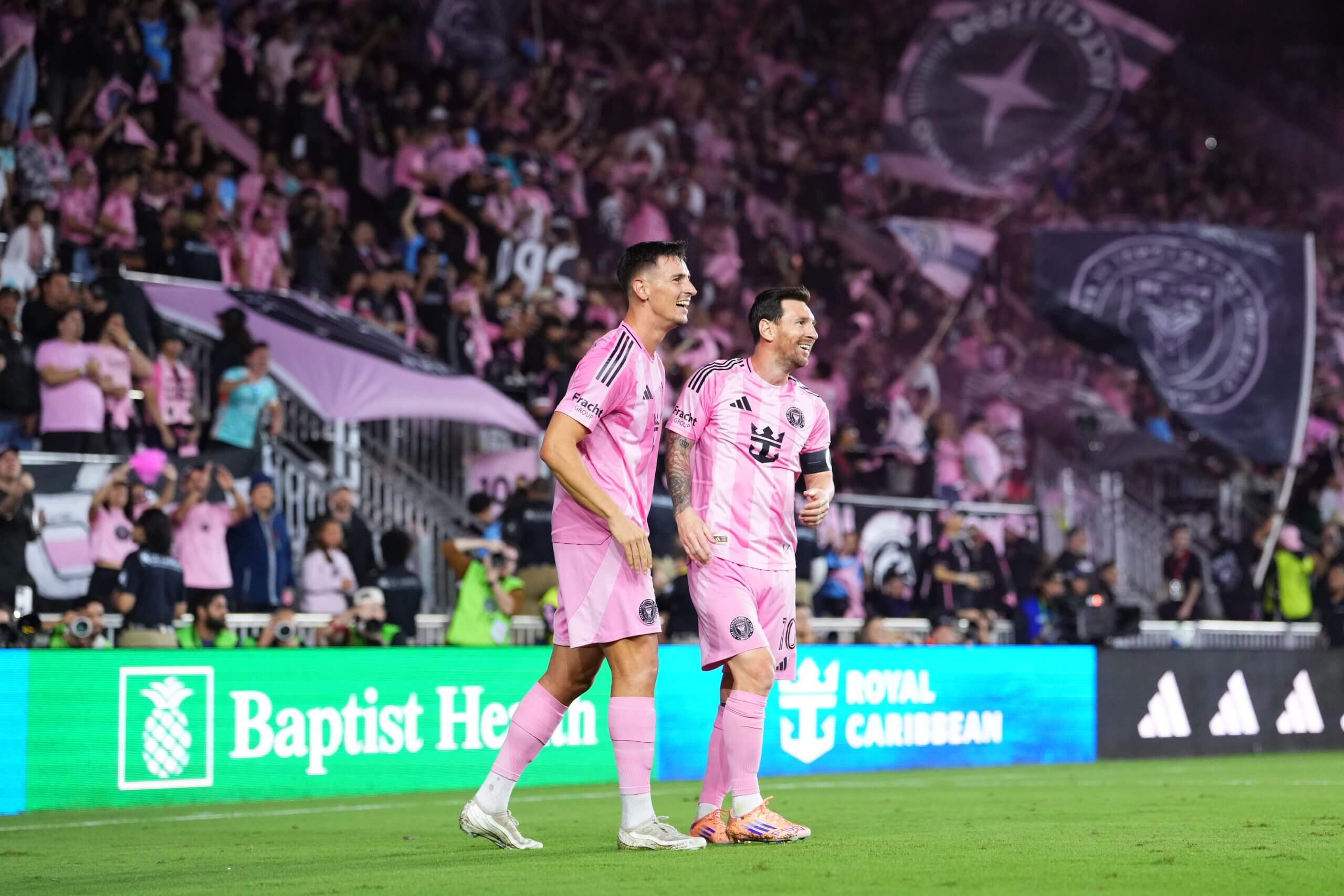
Tadeo Allende (left) has hit a sparkling run of form during the playoffs. (Rich Storry / Getty Images)
There were calls for a coaching change in Miami by some fans, and the question was asked in media settings. Mas stayed the course with his manager, though, backing the words he said at that introductory press conference.
“We have an immense and enormous trust in Javier leading us to the heights we want,” Mas said back then. He knew the risks involved in going with an inexperienced coach – though Mascherano could not have had more experience as a player – and wasn’t about to consider cutting ties after a couple bad results.
From there, Mascherano started tweaking things. There were highs (the Club World Cup run to the knockout stage) and lows (Mascherano’s own red card – and subsequent coaching via phone – in the Leagues Cup quarterfinals; losing in disgrace to Seattle in the Leagues Cup final; conceding five goals to Chicago in September). But by the playoffs, and particularly over the last three matches, Miami has played its best soccer of this season – and possibly the best in club history.
The bold choice to bench Suárez was the most difficult of Mascherano’s decisions. Suárez was suspended for Game 3 of the club’s first-round series against Nashville SC, and with Tadeo Allende and Mateo Silvetti flanking Messi in a false nine role, the team was better both in and out of possession as Miami advanced with ease.
When Suárez was eligible to return against Cincinnati in the conference semifinals, Mascherano left him on the bench, and he’s been there since – not at all to Miami’s detriment. In the three games without Suárez starting, Miami has scored 13 goals.
That wasn’t the most impactful decision Mascherano made. Attack was never the question — it never will be with Messi on the field — but that Achilles heel in defense has been completely fortified.
Three defensive personnel choices, plus optimizing the inclusion of Rodrigo De Paul, is why Miami has cruised through the playoffs.
Mascherano benched goalkeeper Oscar Ustari (for Rocco Rios Novo) and made similar calls for center back Tomás Avilés (for Noah Allen) and right back Marcelo Weigandt (for Ian Fray). All three were responsible for crucial defensive errors last season and this.
De Paul’s role in the midfield has been ironed out, with Busquets allowing De Paul more freedom and Baltasar Rodríguez becoming a constant starter in the midfield by the fall. He covers Jordi Alba when the left back gets forward.
For the first time, Miami has balance.
Vancouver will provide a much stiffer test than anyone Miami has played in the East, but Miami has restricted opponents to less than 1.00 expected goals in each of the last three games.
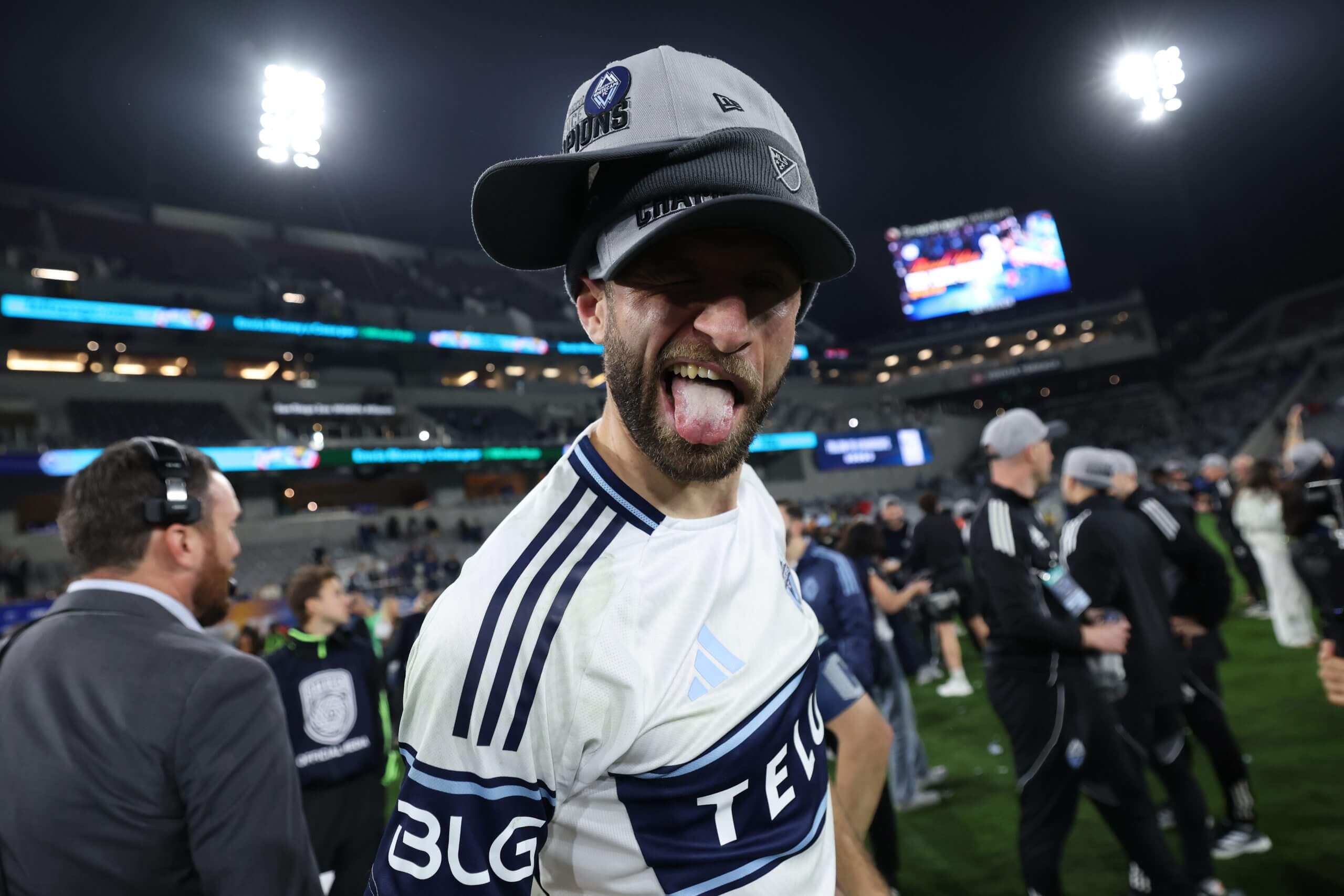
Thomas Müller’s arrival has boosted Vancouver. (Kevork Djansezian / Getty Images)
Like Miami, the Whitecaps have changed since that Champions Cup series in April, as Thomas Müller arrived in the summer and Ryan Gauld, the team star who was out injured, is at least now available off the bench. The club’s engine room is in central midfield, with Andrés Cubas and Sebastian Berhalter dictating the game.
Vancouver wants the ball and often sets the tempo of any game it plays that way. Miami’s last three opponents were content to swap possession to Miami for a deeper and more structured defensive unit. The Whitecaps will do no such thing.
The Whitecaps also look to win the ball back immediately rather than recede into a defensive shell. They are top five both in possession and passes per defensive action.
Mascherano and Miami will have their work cut out preparing for the Whitecaps and hoping to exact revenge, but Miami is a better team than it was then.
And Mascherano deserves a lot of credit for that.