
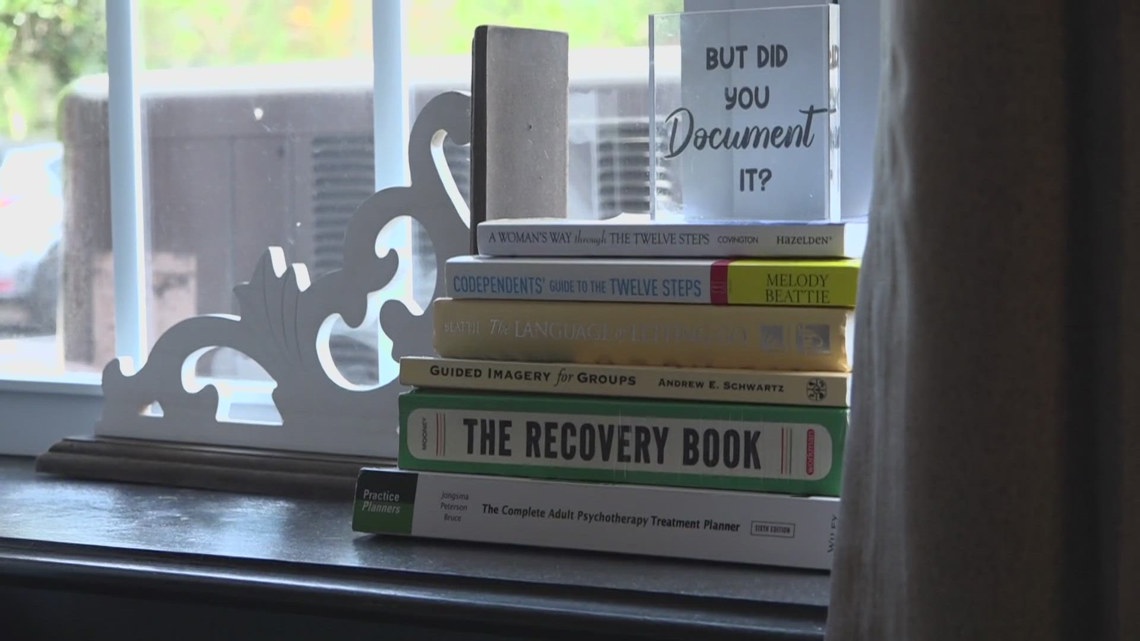
For people recovering from substance use, the holidays can disrupt routines and heighten the risk of relapsing. A prevention plan can help.
JACKSONVILLE, Fla. — For many, the holiday season brings celebration, travel and time with loved ones. But for people in recovery from substance use, it can also bring disrupted routines, heightened stress and unexpected triggers — all of which increase the risk of relapse.
Nick Padlo, CEO of Sophros Recovery in Jacksonville and someone in recovery himself, says the end-of-year stretch is one of the most challenging periods for people working to maintain sobriety.
“The holidays can bring about a bunch of unique challenges for someone in early recovery,” he said. “Our schedule completely changes… downtime can be the enemy of those of us in recovery.”
Padlo says common holiday triggers fall into three categories: gatherings where alcohol is widely available, strained family relationships and large blocks of unstructured time.
Combined, these factors can quickly push someone back toward old habits if they’re not prepared.
That’s why Padlo encourages clients to create a “Holiday Relapse Prevention Plan,” a tool designed to anticipate stressors before they happen.
A strong prevention plan includes setting a predictable schedule, planning transportation or early exits from parties and identifying who to call if cravings or anxiety begin to escalate.
“It’s so important to have an exit plan — who we’ll call, when we’ll leave,” Padlo said. “Sometimes we think of these events as obligatory … but our family would rather us stay healthy than make one event.”
He says staying connected is one of the most effective ways to avoid relapse.
Whether that means attending meetings, checking in with a sponsor or reaching out to a trusted friend, Padlo stresses that isolation can be dangerous.
“The most important thing is — we can’t do this alone,” he said. “Pick up the phone … that call is so hard to make — the phone weighs a thousand pounds.”
Padlo also encourages friends and family to be mindful and supportive of loved ones in recovery.
That means offering alcohol-free options, creating space for someone to step away if they feel overwhelmed and having meaningful check-ins instead of surface-level conversations.
“How are you doing, really? How’s your heart today?” he suggests asking. Those conversations, he says, help remove shame and give people the chance to speak up before relapse occurs.
If someone does feel themselves slipping, Padlo says the first step is simple but essential: tell someone.
“Call your sponsor. Call a treatment center. Call anyone you trust,” he said. “Our loved ones would rather have us healthy for the long run than see us at one holiday dinner.”
Sophros Recovery offers support, counseling and relapse-prevention services throughout the year.