
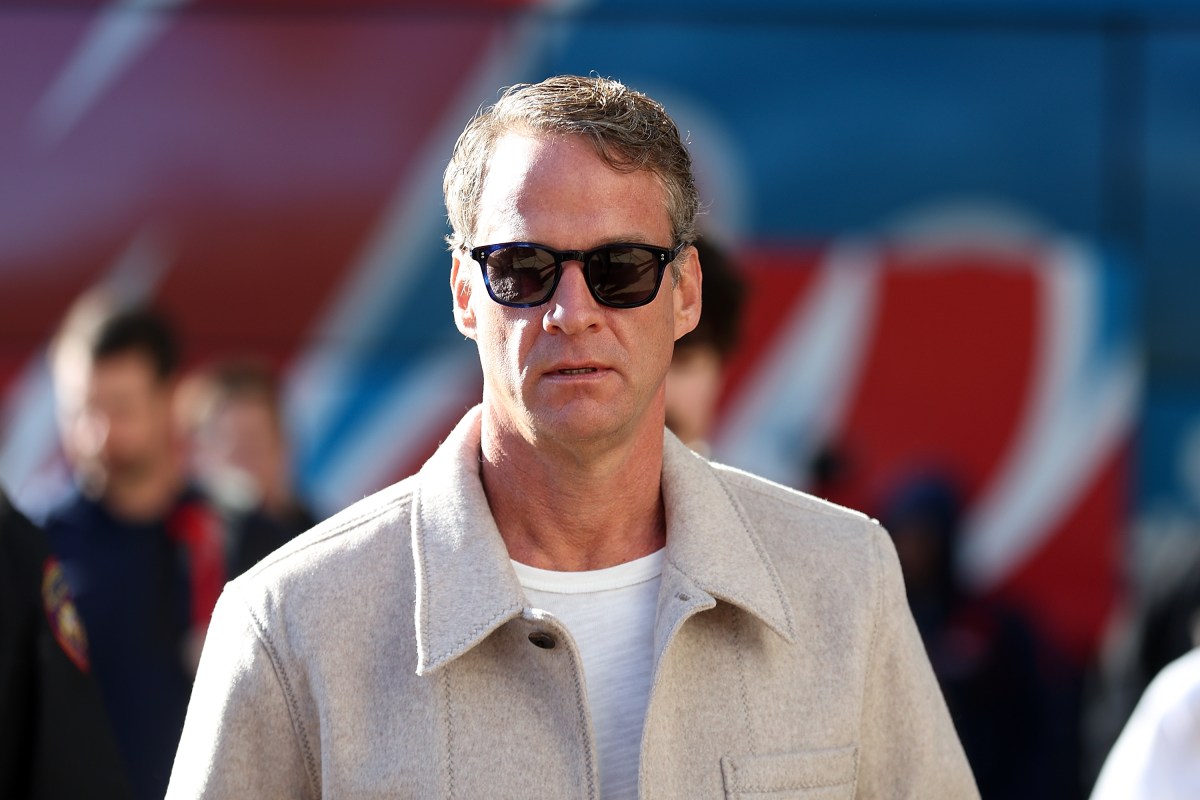
Lane Kiffin left an Ole Miss program that was on the brink of the College Football Playoff to accept LSU’s head-coaching vacancy last week.
The Rebels finished the regular season 11-1 and were ranked inside the top 10 when the move occurred.
Kiffin was formally introduced in Baton Rouge on December 1 after signing a reported seven-year deal worth roughly $91 million (about $13 million a season, plus incentives).
Ole Miss immediately promoted defensive coordinator Pete Golding to lead the team for the postseason.
On Monday, Florida’s pursuit of Kiffin was publicly acknowledged by athletic director Scott Stricklin, who outlined why the effort to bring him to Gainesville ultimately fell short.
“It wasn’t just that we were being pushed to him. We were interested in him as a possibility, and I’d say strongly interested. But at the same time, we knew we couldn’t just count on that. So we were doing our due diligence on a number of candidates. Ended up talking to nearly a dozen when it was all said and done.”
“There was a flurry of initial engagement, I would say, really positive conversations. And then the communication became a little more erratic. And the timing of when that began to occur, just reading the tea leaves, gave me the impression it’s a good thing we talk to other people, and we’re going to have to look at some other candidates.”
Read More: Arizona State, Kenny Dillingham Suffer Major Transfer Portal Loss
Prior to Stricklin’s comments on Monday, multiple outlets reported Florida moved off Kiffin after what they described as irregular communication between Kiffin and Florida officials.
Those reports surfaced on the eve of Ole Miss’ Egg Bowl clash with Mississippi State, with Kiffin expected to decide the following day and many assuming an LSU move was imminent.
Florida has since pivoted to Jon Sumrall as its new head coach, who just led Tulane to an 11-2 season and College Football Playoff appearance.
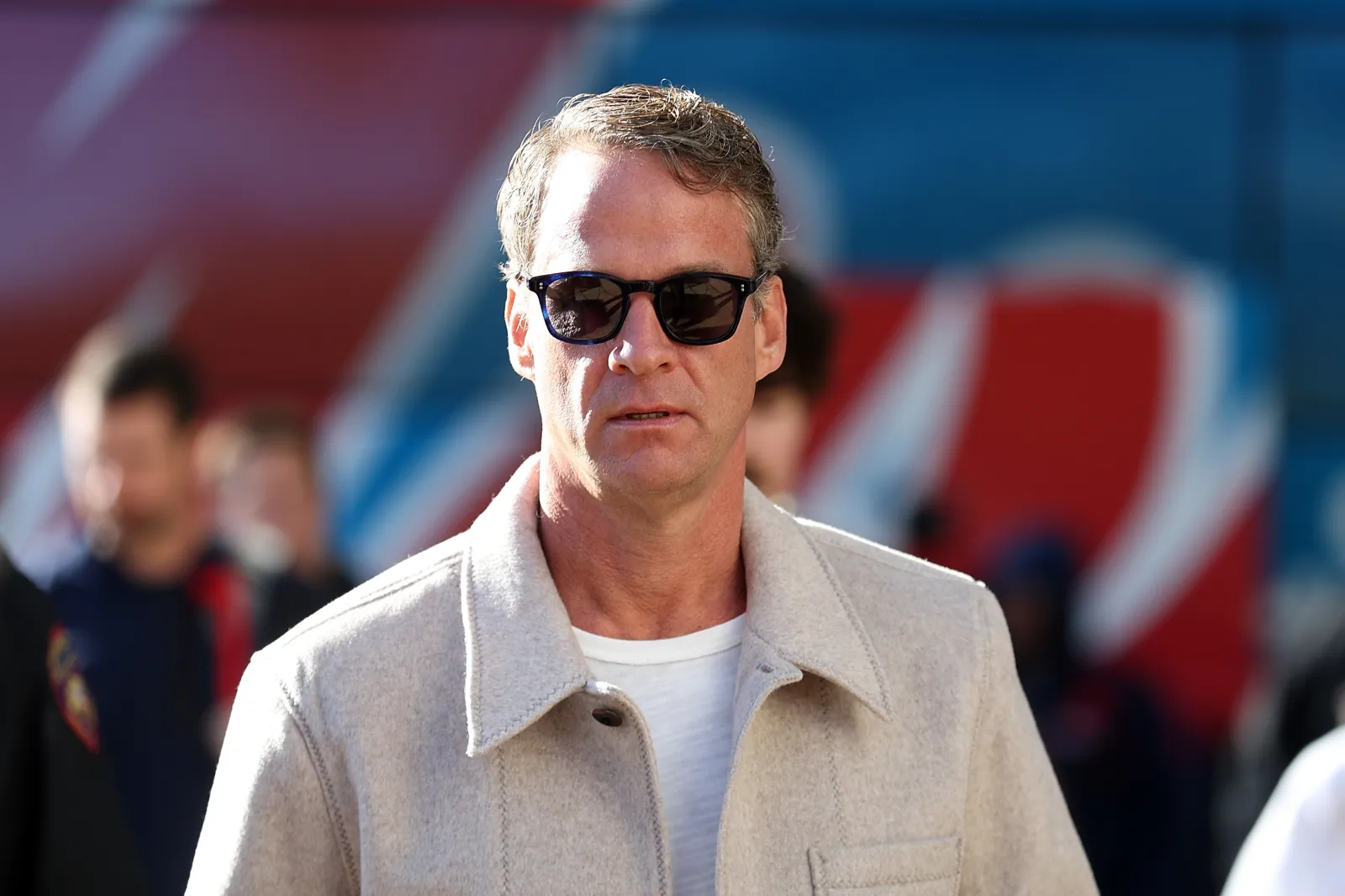
Read More: No. 1 College Football Recruit Makes Final Decision on Lane Kiffin, LSU
Reporting after Kiffin’s departure captured a mix of sharp reactions.
The Rebels quickly turned to Golding after Kiffin’s exit, with administrators openly criticizing its timing; players later questioned reports about playoff coaching discussions, and former rivals and peers publicly debated the optics.
As the Rebels turn toward the playoff, they’ll need Golding to steady preparations, maintain recruiting/NIL traction, and manage the challenge of losing their offensive architect in the process.
LSU, meanwhile, has poured resources into the program and made clear that quick results are expected, raising both the stakes and the scrutiny.