
TAMPA, Fla. — The nation’s largest landlord has agreed to stop using rent-setting software after a sweeping Department of Justice investigation found the system may have helped inflate rental prices across the country.
What You Need To Know
The DOJ alleged that large landlords uploaded sensitive information into RealPage, which then produced algorithm-generated rent suggestions
Federal officials described RealPage as a system that “replaced competition with coordination,” allowing large landlords to move rental prices in lockstep rather than compete for tenants
As enforcement actions ramp up, experts say the industry may face additional scrutiny over the use of algorithms and shared data
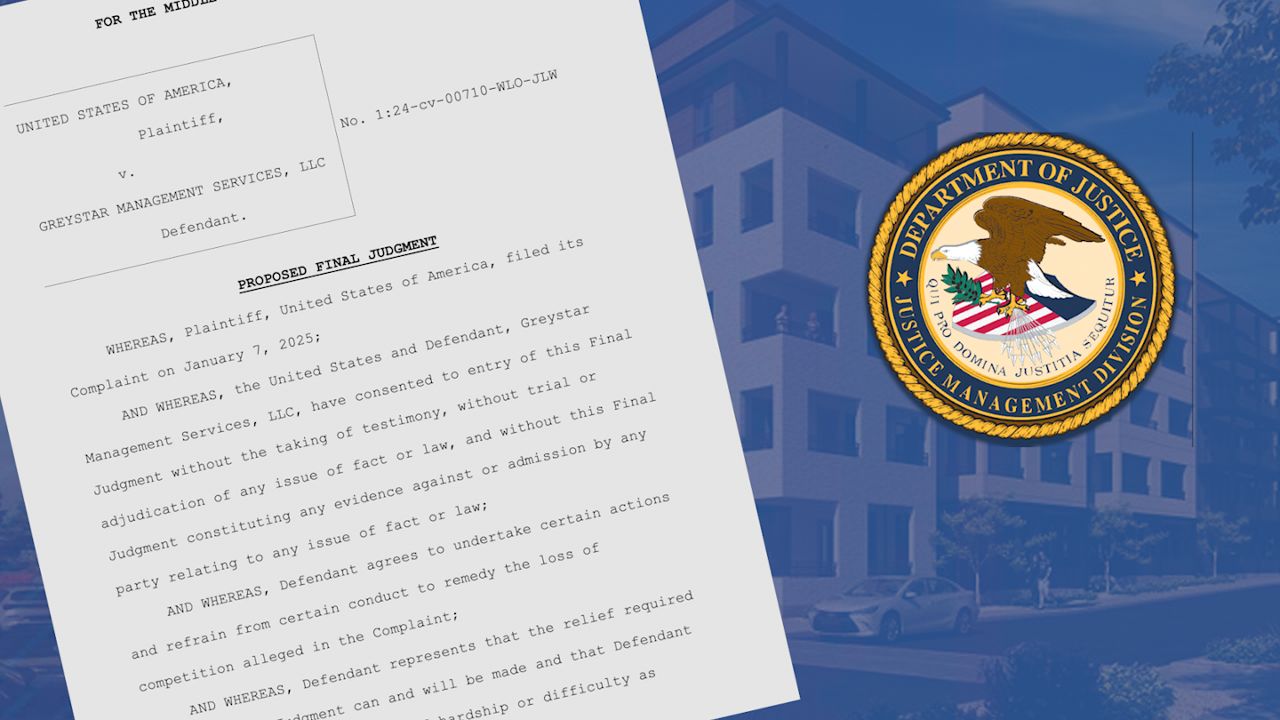
Greystar — which manages properties in Tampa, Orlando and cities nationwide — will pay more than $50 million to settle a class-action lawsuit over its use of RealPage’s pricing tools. The software relied on confidential data shared among competing landlords to generate daily rent recommendations.
Federal officials say the data-sharing arrangement undermined free-market competition and contributed to higher rents for millions of Americans.
“This means more real competition in local housing markets,” said Abigail Slater, DOJ Assistant Attorney General for the Antitrust Division. “It means rents set by the market, not by a secret algorithm. It is a win for renters, and it means more affordable options for Americans trying to make ends meet.”
Promises Made, Promises Kept 🇺🇸
Big win for renters and families! Today, we required Realpage to stop its illegal tactics that allowed landlords to increase rental pricing. pic.twitter.com/lvSAjdyGWD
— Abigail Slater (@AAGSlater) November 24, 2025
How the RealPage system worked
The DOJ alleged that large landlords uploaded sensitive information into RealPage, which then produced algorithm-generated rent suggestions.
Tampa-based landlord Khalil Majied, founder of Property Scholars, uses a competing platform and says most smaller landlords rely on software for basic management.
“It helps keep everything in one place from applications through rent payments,” he said. “It increases efficiency, which helps us cut down property management fees.”
But Majied says RealPage went far beyond standard management tools by aggregating market-wide data that smaller operators don’t have access to.
Federal officials described RealPage as a system that “replaced competition with coordination,” allowing large landlords to move rental prices in lockstep rather than compete for tenants.
Corporate and financial technology attorney Anessa Santos says the settlement could trigger a wave of similar investigations across other sectors.
“We’re going to see this happen more frequently,” Santos said. “Consumers will recognize this as dynamic pricing and unfair algorithms spread into grocery stores, airline pricing, and other consumer goods.”
What comes next for renters?
Greystar and RealPage have agreed to stop sharing the data at the center of the DOJ’s concerns.
Majied says the type of information collected by these platforms is robust enough to detect shifts in local economic conditions — such as mass layoffs or widespread late payments.
“That could be more indicative of an employment issue than a tenant issue,” he said.
He believes landlords could use that knowledge to support tenants instead of raising rents during economic downturns.
As enforcement actions ramp up, experts say the industry may face additional scrutiny over the use of algorithms and shared data.
For renters, advocates hope the settlement will help restore competitive pricing and transparency in markets where housing affordability is already strained.