
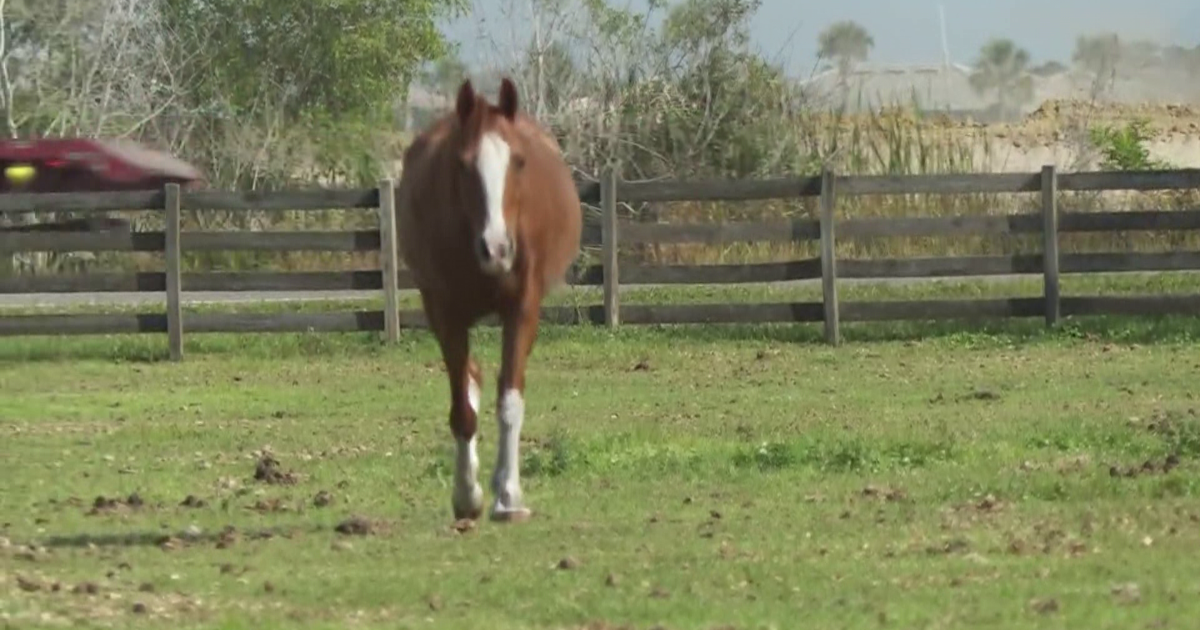
Lee County Posse Arena closes after national EHV-1 outbreak; local trainers cancel shows as precaution.
The Lee County Posse Arena has shut down and canceled upcoming events after a nationwide outbreak of Equine Herpesvirus-1 (EHV-1) was traced back to a rodeo event in Waco, Texas. While there are no confirmed cases in Florida, horse owners, youth riders, and trainers across Southwest Florida are taking the virus seriously — and many are putting competitions on hold to protect their barns.
Riders told WINK News they’d rather pause their season than risk the virus entering Florida.
A statewide shutdown effort — even without Florida cases
Arena representatives say they closed strictly out of precaution, following guidance from state animal-health officials and national equine disease trackers. The Florida Department of Agriculture and Consumer Services (FDACS) — which monitors reportable equine diseases through its statewide disease map — lists zero EHV-1 cases in Florida as of today, but is urging caution due to the virus’ fast spread in other states.
The Equine Disease Communication Center (EDCC) has confirmed multiple EHV-1 cases and several deaths following the Texas event, with exposed horses traveling home to Oklahoma, Colorado, Mississippi, and beyond.
Bobbi Harrison, a board member and PR representative with the Lee County Posse, told WINK News the virus can move quickly through a barn if introduced.
“The virus is very easy to transmit. And technically, it can occur subclinically or manifest into clinical forms, and those forms not only include the neurological issue… but also respiratory and reproductive.”
Because the disease may not show symptoms for up to 21 days, even a single exposed horse could unknowingly spread it.
The Posse Arena plans to remain closed until December 12, the end of the recommended quarantine window.
At local barns, riders are canceling shows to stay safe
Just a few miles away at To Fly Equestrian, trainer Ashley Kilmer spent months preparing her riders for out-of-state shows — including one student who qualified for championship competition. Kilmer canceled all of it.
“Two weeks back, we were booked to go to a horse show up north, and… one of my riders had qualified for championships this year, and all of which we decided to cancel and not go due to the… outbreak going around.”
For Kilmer, it’s not only about competition — it’s about protecting animals she considers part of her family.
“They’re our companions, they’re our partners… our friends. So we try to put them first always.”
Why the virus is such a concern; EHV-1 can spread:
Through the airOn clothingOn tack, brushes, or shared equipmentBy people moving between barns
Kilmer explained how easily an exposed horse — or even a human carrying particles on their jacket — could bring the virus home. “Horses can contract it from molecules being in the air… even if it’s on your clothing, then you go back to your barn and expose your horse to it.”
This kind of airborne and surface contamination is what has barns across the country taking extra steps to limit exposure.
Economic hit for local riders and show organizers
Canceling shows isn’t just emotionally difficult — it’s financially painful for barns, trainers, and entire event staffs.
“Horse shows obviously are a big money maker… so when that stuff gets side-banked, it hits our pockets in a big way.”
Boarding facilities, farriers, veterinarians, hotels, feed suppliers, and local businesses all feel the ripple effect when equine events shut down.
Even with financial losses and missed milestones, Kilmer says the decision is easy. “At the end of the day, I put horsemanship and these horses above money and above anything else.”
What’s next?
The Lee County Posse Arena will reassess reopening on December 12, pending no new confirmed cases nationally and continued guidance from FDACS and the EDCC.
Local barns say they will continue practicing strict biosecurity, monitoring symptoms, limiting travel, and choosing caution until the outbreak is fully contained.