
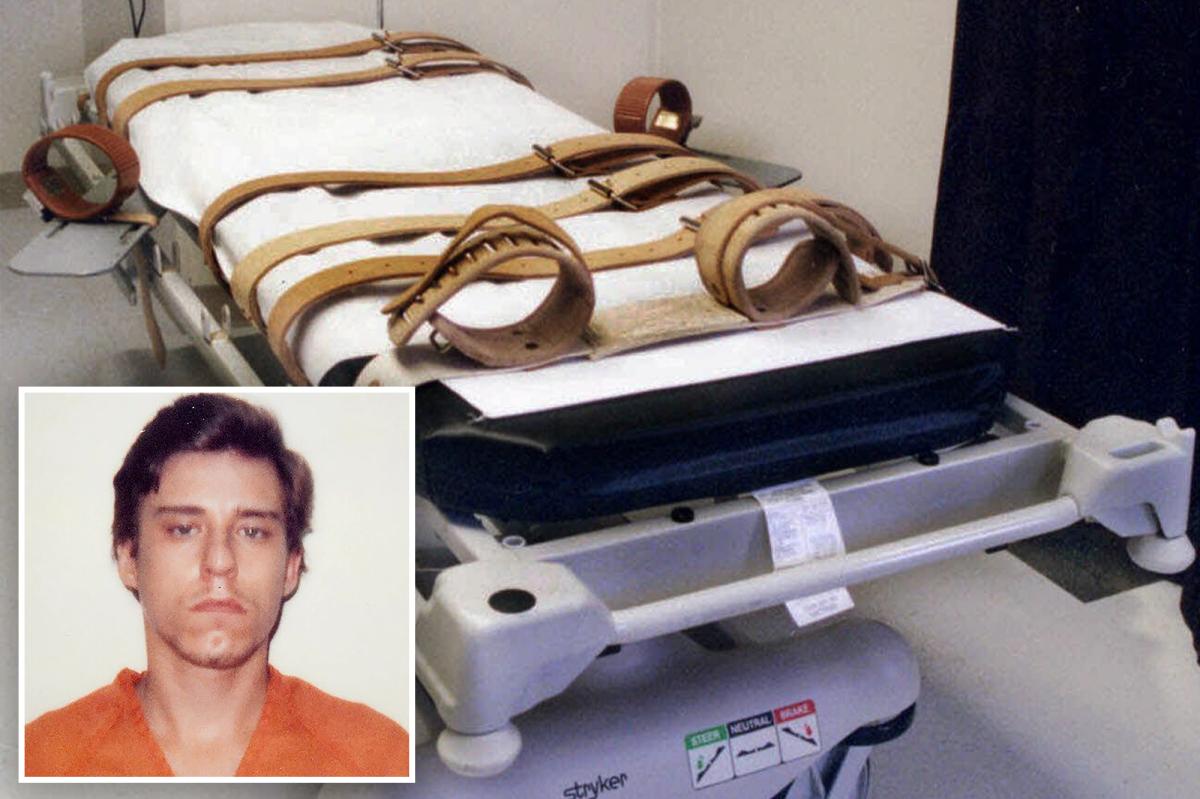
A 58-year-old Florida death row inmate claimed that prison officials used expired drugs and skimped on the doses for the last four executions in the state, according to a bombshell lawsuit filed a week before his scheduled lethal injection.
Frank Athen Walls is set to be executed on Dec. 18, but he’s fighting to stay his punishment through last-minute appeals to Florida judges and has filed a suit levying shocking accusations against the state’s corrections officials.
In the lawsuit obtained by the Tampa Bay Times, Walls’ legal team claims that the prison system is willfully negligent in its lethal injection administrations and has used expired dosages or even provided less than legally required during four recent executions.
Lethal injection executions in Florida are done using a sedative, a paralytic and a drug that stops the heart, according to the state Department of Corrections.
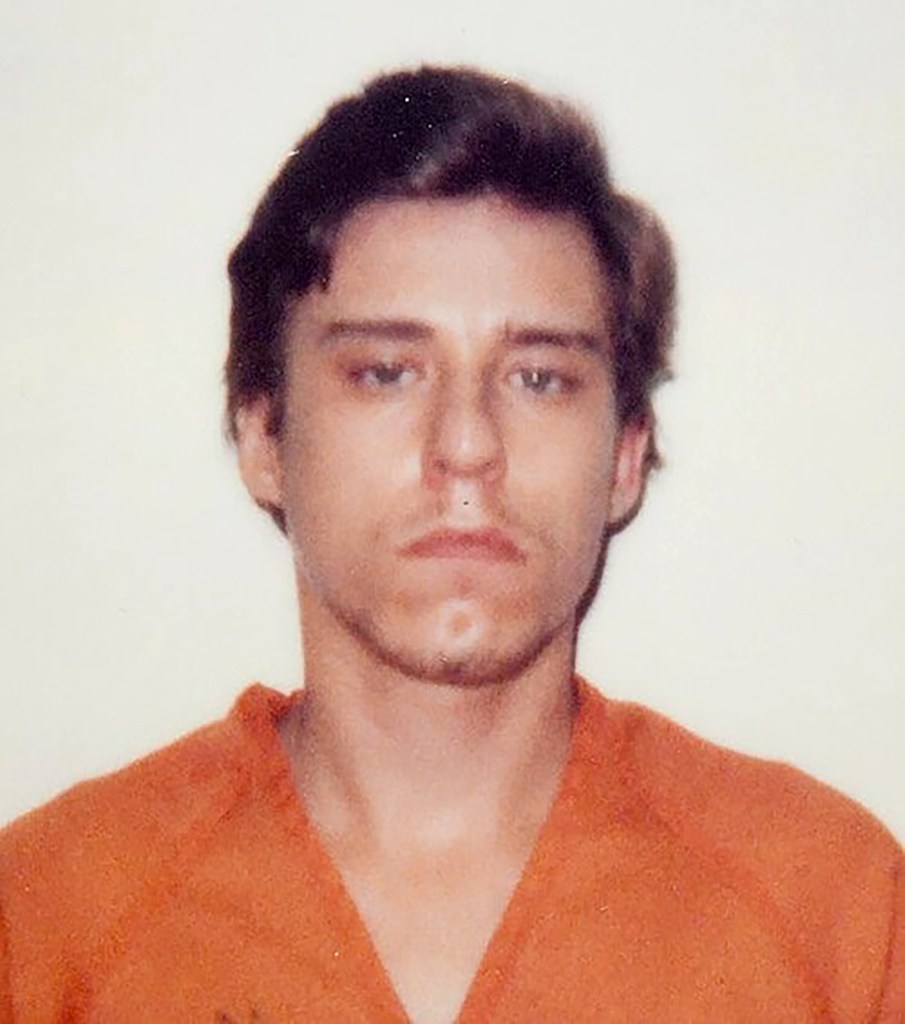 A lawsuit filed on behalf of Florida death row inmate Frank Allen Walls alleged that the state’s corrections officials have used expired drugs for lethal injection executions. wikipedia
The cocktail of drugs typically used for lethal injections has been in short supply for more than a decade after certain manufacturers, including Pfizer, stopped providing the ones they produce to corrections facilities.
Since then, many states have pivoted to the other available methods or even legalized new ones, like nitrogen hypoxia. In 2017, Florida began using a new combination consisting of etomidate, rocuronium bromide, and potassium acetate.
Johnson & Johnson, the original manufacturer of etomidate, said in a 2017 statement that it does “not support the use of our medicines for indications that have not been approved by regulatory authorities,” but that hasn’t stopped Florida from using it.
Etomidate is also currently in a shortage due to “increased demand” and “manufacturing delays,” according to a release from the American Society of Health-System Pharmacists.
There was a reported shortage of rocuronium bromide during the COVID-19 pandemic, as it was frequently used to assist patients in the intensive care unit who were on mechanical ventilation, according to the US Food and Drug Administration.
The lawsuit also details gaps in the Department of Corrections’ handwritten logs that are supposed to track how much of each substance they have in their drug supply.
The complaint states that a batch of etomidate that expired on Jan. 31, 2025 was used on dates that lined up with the August and September executions of Kayle Bates, Curtis Windom, David Pittman and Victor Jones.
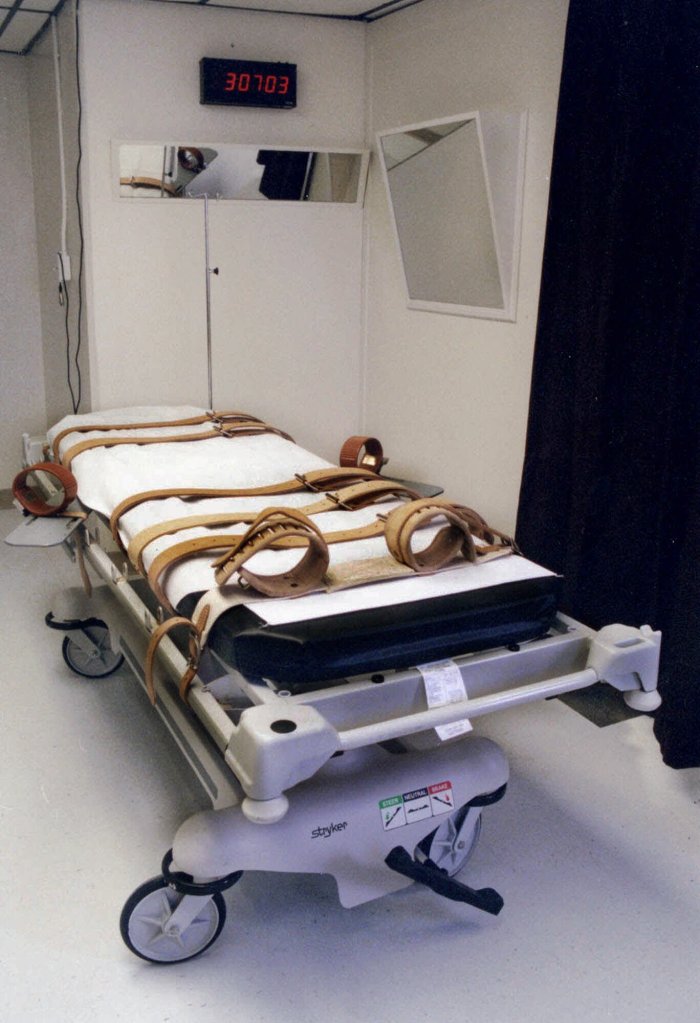 In lethal injections, Florida uses a cocktail of etomidate, rocuronium bromide, and potassium acetate. AP
The logs also include discrepancies in lethal injection drugs being removed from storage days after the June executions of Anthony Wainwright and Thomas Gudinas. The lawsuit alleges that by not checking out the correct amounts for the executions, the state strayed from its protocol and increased the risk of the execution going awry.
The complaint also alleges that lidocaine, a numbing agent not approved to be used under the state’s protocol, was used in the executions of Edward James and Michael Tanzi.
Walls’ defense wrote that executing the convicted murderer would be “constitutionally repugnant” under the alleged conditions.
“Mr. Walls is at heightened risk of a disastrous execution in light of (the prison system’s) documented negligence in adhering to their own protocol,” Assistant Federal Defender Sean Gunn wrote in the lawsuit.
The Post has reached out to the Florida Department of Corrections for comment.
Florida’s Assistant Attorney General Jason Rodriguez painted Walls’ assertions as an eleventh-hour attempt to stay his “well-deserved execution.”
“He has been in poor health for years, but waited until the eve of his execution to file suit long after the time to do so had passed,” Rodriguez wrote, as reported by the outlet.
Over the summer, Walls was diagnosed with several medical problems likely brought on by his morbid obesity, ranging from heart disease to obstructive lung disease, according to the lawsuit.
A US district judge denied a request to stay Walls’ execution. His attorneys are appealing the ruling.
They originally filed the appeal on the grounds that Walls is “intellectually disabled,” CBS News reported.
Walls was sentenced to death for the 1987 murders of Edward Alger and Ann Peterson. He slit Alger’s throat before shooting him and Peterson in the head during a home invasion.
Florida Gov. Ron DeSantis signed Walls’ death warrant in November. His execution would mark the 19th in Florida this year, the most since the Sunshine State walked back its ban on the death penalty in the 1970s.