
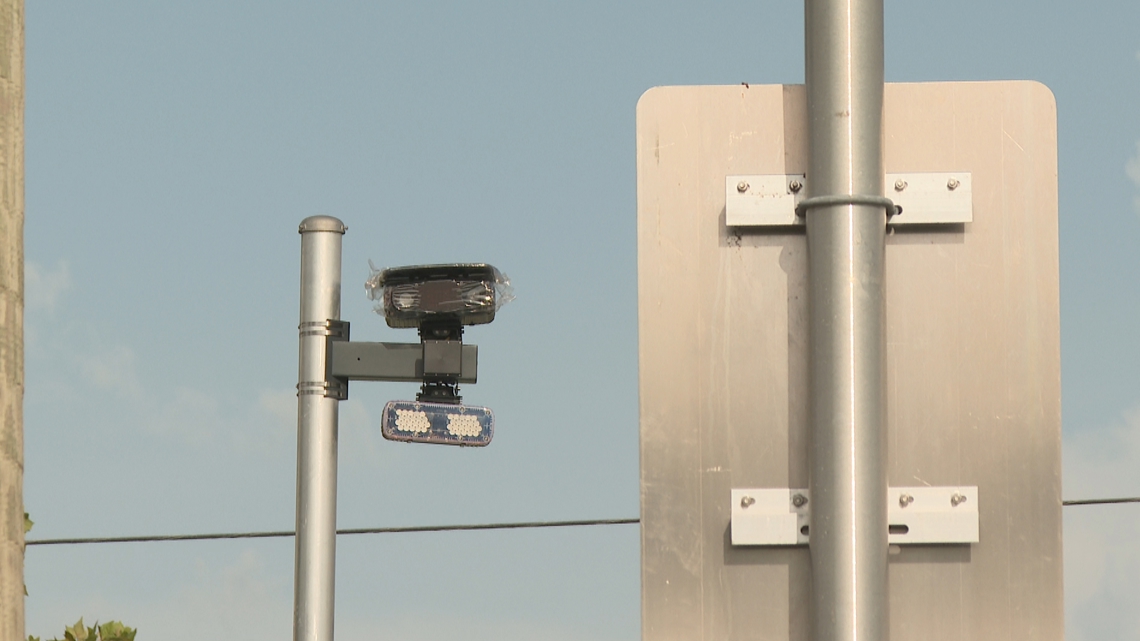
Police said they identified implementation concerns with the current vendor and determined that the program is not prepared to move forward as initially planned.
TAMPA, Fla. — Tampa police announced that they have delayed the rollout of a program to protect the public and students in school zones with speed cameras.
On Wednesday, the Tampa Police Department said in a press release that the School Zone Speed Camera program has been postponed after a review of the planned rollout.
Tampa police said they “identified implementation concerns related to the current vendor and determined the program was not ready to move forward as planned.”
Officials added they will begin a process to select a new vendor to ensure that the program is implemented responsibly and that it meets operational and public safety standards.
The decision to pause the program, police said, was made before it became active.
“Speed enforcement cameras were never activated in any City of Tampa school zone, and no warnings, citations, or notices were generated,” a Tampa police spokesperson said.
Tampa police are reevaluating installation and location considerations.
“From day one, our goal has been simple: protect students and make our school zones safer,” said Chief Lee Bercaw. “But we are equally committed to rolling out programs in the most responsible, transparent and effective way possible.”
In the meantime, the City of Tampa will work to identify a new vendor that can meet technical, operational and community-focused standards.
Police officers will continue patrolling school zones, will focus on visibility, driver education and will work to ensure compliance with speed limits, according to officials.
When the program was announced in July, the City of Tampa said it aimed to activate speed enforcement cameras outside 10 local schools as part of the safety program aimed at protecting students.
Once the program is rolled out, drivers caught going 10 miles per hour or more over the posted school zone speed limit will get $100 citations.
The Tampa Police Department said in July that the cameras for the now-delayed program will only operate during specific school zone hours, including 30 minutes before and after school, during regular class hours and around breakfast programs. A two-minute grace period will take place at the start of each time window, and the system will not operate on holidays or when school is out.
A Tampa Police officer will review each violation before it’s mailed to the driver once the program begins.
The initial camera locations in 10 schools were selected based on a school transportation safety study, which considered crash rates, traffic volume, and student density to determine where enforcement was needed most.
In the future, the city hopes to expand the program to include other approved schools, such as Shore and West Tampa elementary schools.
Cristina Mendez and previous 10 Tampa Bay News information contributed to this report.