
A sweeping “mega bill” signed into law by former President Donald Trump overhauls parts of the Medicaid program, and some of the changes could begin taking effect as early as next year.
While the law does not directly cut benefits for seniors or people with disabilities, experts say there could be significant indirect impacts, especially for low-income Floridians who rely on both Medicaid and Medicare.
Medicaid is a joint federal and state program that helps cover medical costs for low-income families, older adults, and people with disabilities. There is no age requirement to qualify; eligibility is primarily based on income.
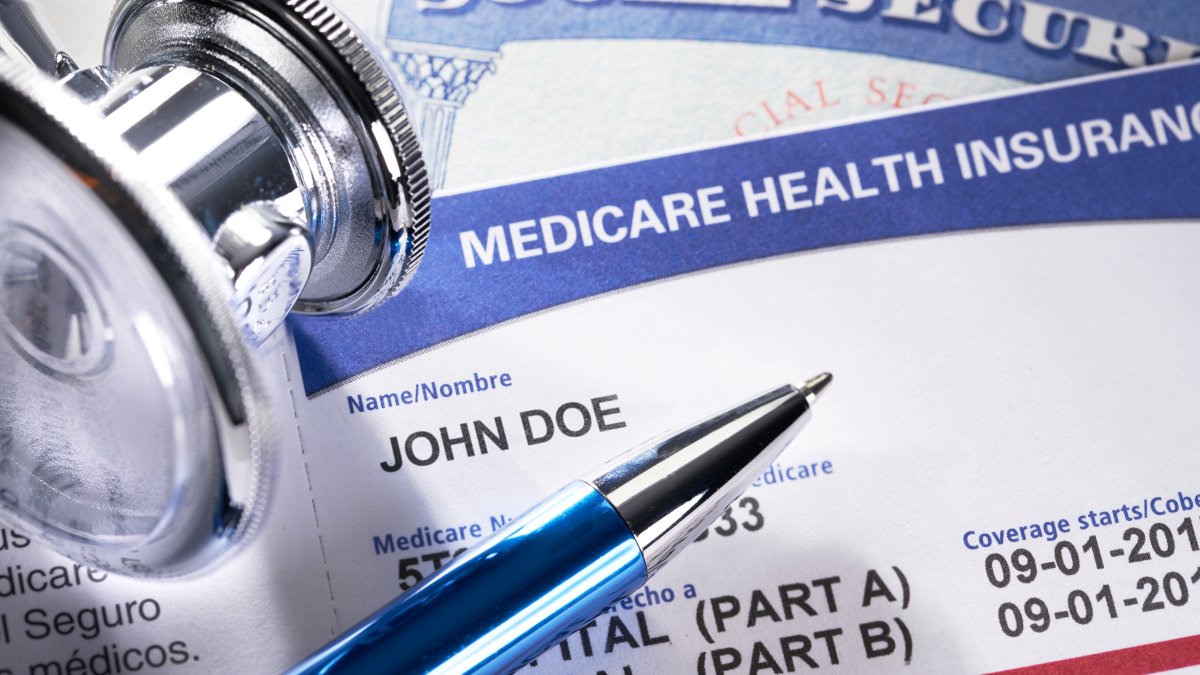
However, some people, typically those who are 65 or older or who have a qualifying disability, may be enrolled in both Medicaid and Medicare. This is known as “dual eligibility.”
The legislation does not directly withhold funding from programs that serve the elderly or disabled. But experts warn the indirect effects could still be felt.
Elder law attorney Jason Neufeld says the biggest concern centers on how Medicaid is funded at the state level.
“There’s a little bit less money to go around, and that has to have some kind of a negative impact,” Neufeld said. “We don’t know what the state’s going to do to fill in the hole if there is a hole so that remains unknown.”
Under the new law, states face tighter restrictions on provider taxes, which are a major source of Medicaid funding. These taxes help states draw down federal dollars and support the program through state general funds, healthcare taxes, and local government contributions.
Health policy experts warn that limiting these taxes could lead to lower payment rates for healthcare providers or reductions in certain Medicaid-covered services
The law also includes a nine-year ban on improvements to the Medicare Savings Program. This program helps low-income Medicare beneficiaries pay for premiums, deductibles, and other out-of-pocket costs.