
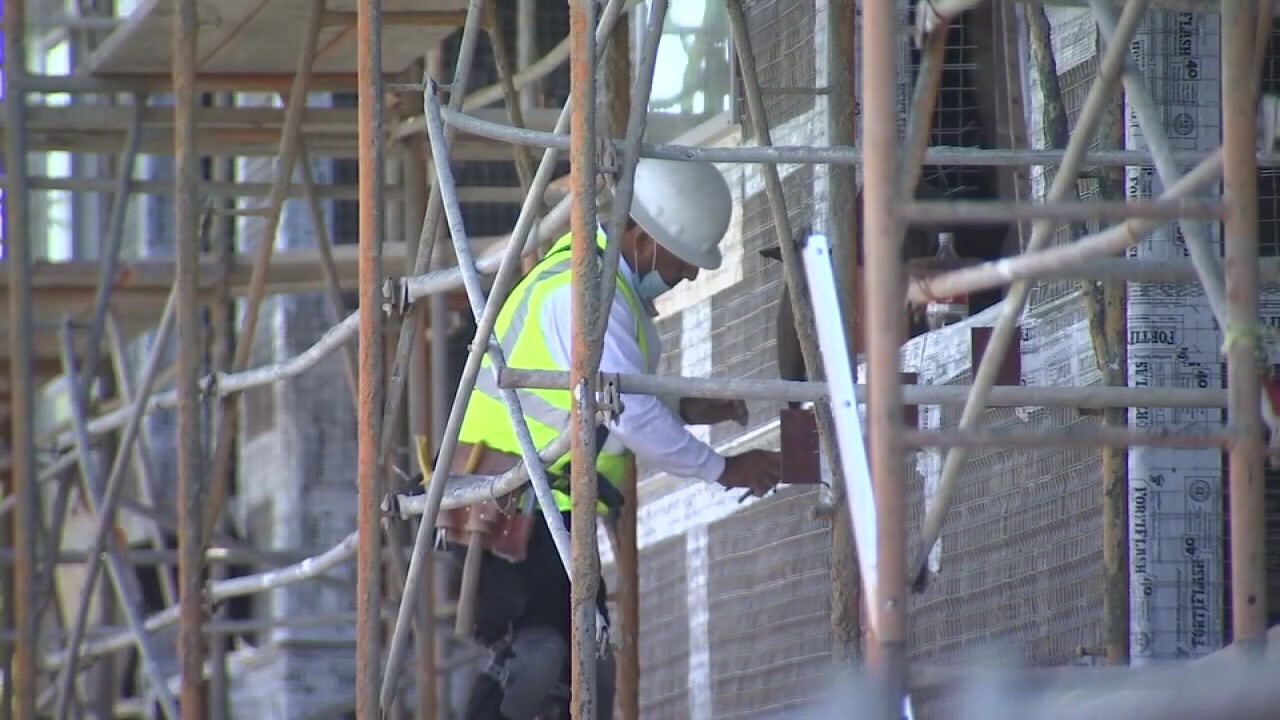
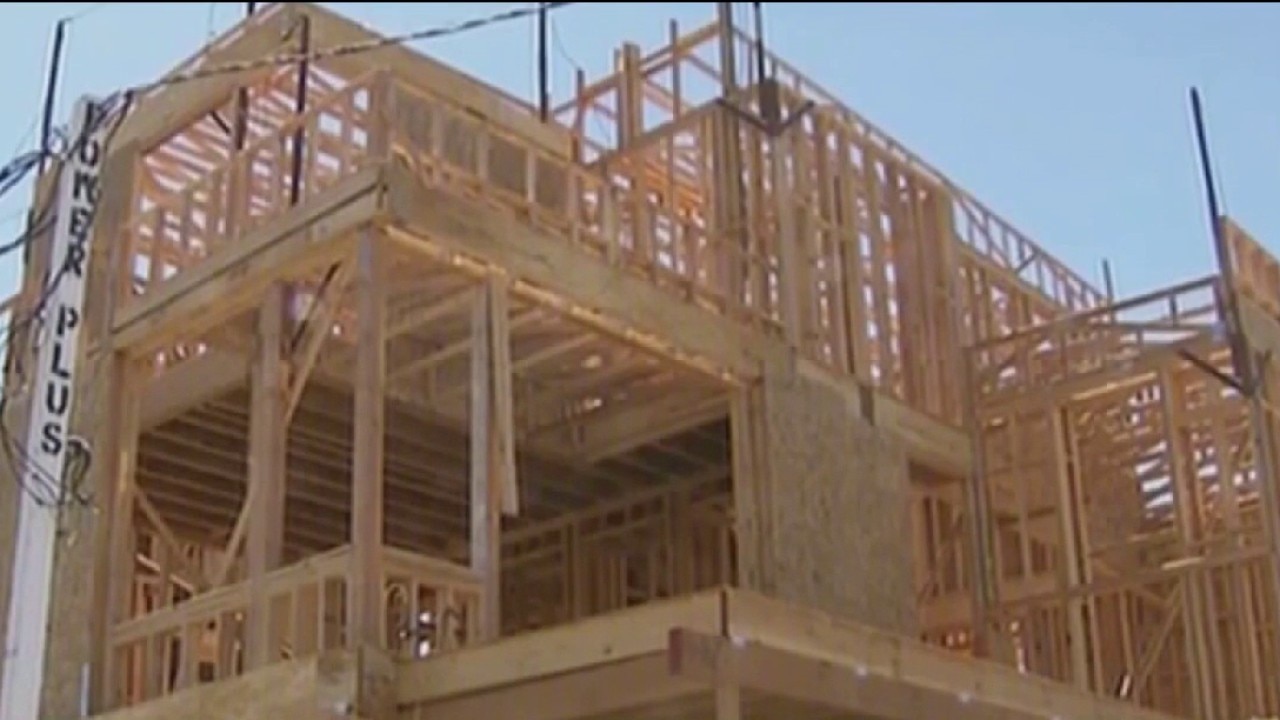
TAMPA, Fla. – For the first time in 36 years, Tampa City Council has approved a major increase to transportation impact fees paid by developers.
Local leaders say the change is meant to shift the cost of growth away from residents and onto new development.
What we know:
Tampa’s transportation impact fees have not been updated since 1989. As a result, developers have been paying rates based on traffic patterns and land use assumptions that are decades old.
Impact fees are one-time charges developers pay when building new homes or commercial projects. The money is intended to help cover the cost of roads and other infrastructure needed as the city grows.
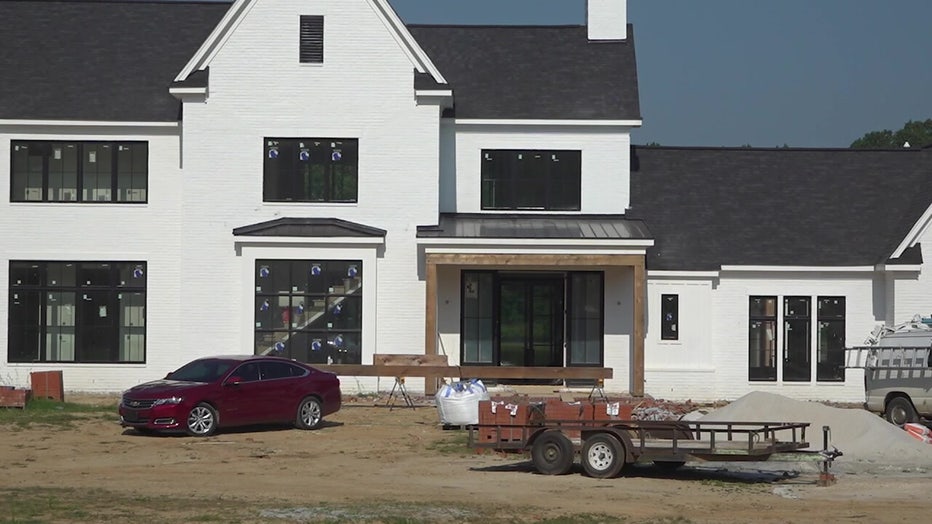
The changes are expected to take effect in 2026, and some developers say the increase will be difficult to absorb.
What they’re saying:
One of them is Jeremy Vanderloop, an urban infill developer who has worked in Seminole Heights for nearly a decade.
“The big crisis is on the infill guys, the little guys, trying to build affordable houses under a million dollars,” he said. “That’s the part of the city that really gets hit.”
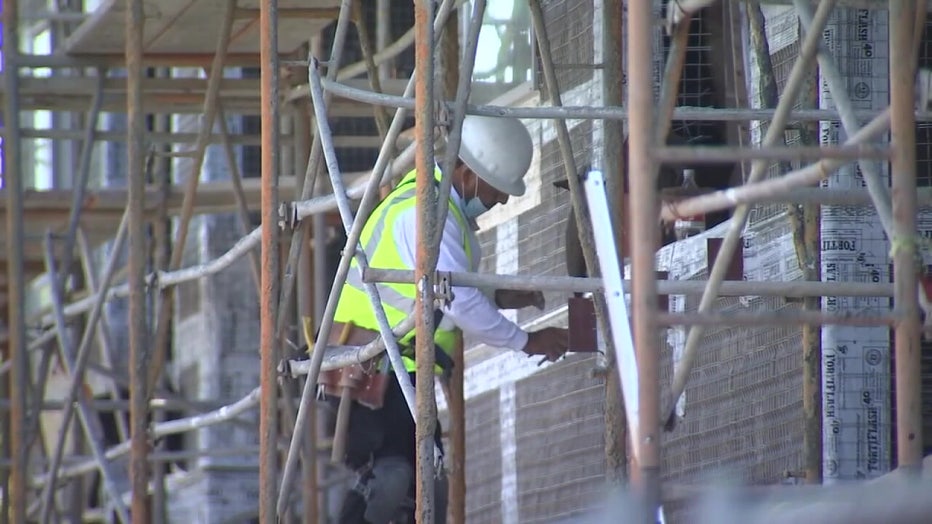
Vanderloop says the fee hike comes at a time when development costs are already climbing. Those increases include land prices, labor, materials and delays in construction timelines.
“It’s not that much of an increase when you look at it isolated,” he said. “When you put it in the ecosystem, there’s a heavy hit right now that we’ve already experienced with costs to build.”
Right now, developers pay an average transportation impact fee of about $1,770 to build a new single-family home in Tampa. Under the new plan, that figure would rise to more than $6,600 in some areas, with commercial projects also facing higher rates depending on size and location.
The other side:
City leaders say the additional revenue is needed to keep up with Tampa’s strained transportation network.
During Thursday’s City Council meeting, Council member Lynn Hurtak said the fees will help fund future mobility improvements.
“I’m really excited about adding things that can help people move in whatever vehicle they choose, but really cars because that’s our majority,” she said. “I really look forward to what we can do in mobility as a city with this.”
City officials say rising construction costs have made the existing fee structure outdated. Earlier this fall, Tampa Mobility Director Brandon Campbell addressed the issue during a press conference.
“The current fee comparing that to construction costs for transportation and infrastructure has now been inflated at a higher rate than general inflation,” he said. “What would buy a mile of roadway in 1989 would buy less than 1/5th of a mile in today’s dollars.”
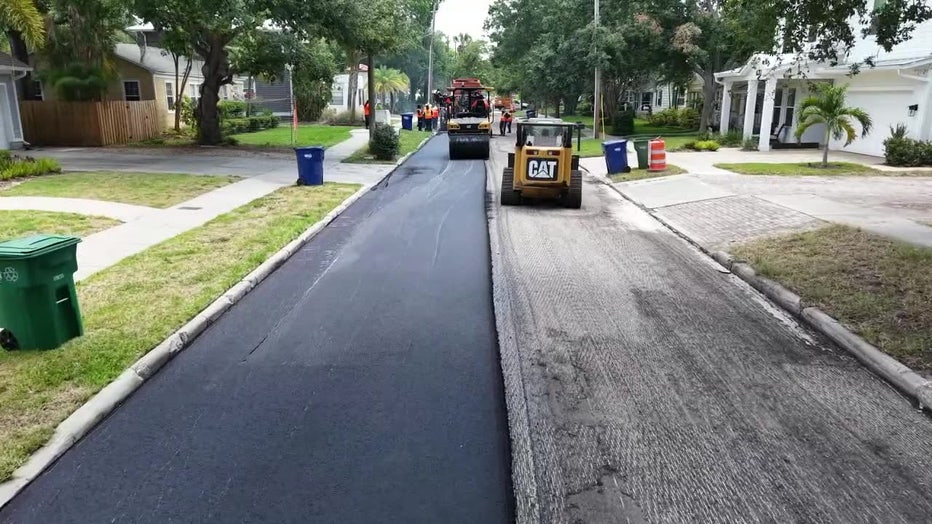
The city says the money could be used for projects such as bridges, roadways, traffic signals, turn lanes and intersection upgrades. It could also fund sidewalks and bike lanes, which some developers worry may take priority over road improvements.
Vanderloop questions whether infill developers will be able to compete if costs continue to rise.
“Time will tell to see if the developer, the smaller developer, can handle it,” he concluded. Because you might push them out and only increase luxury builds.”
What’s next:
The proposed impact fee increase will be phased over four years. The new rates are scheduled to begin in June 2026 at 25% of the full amount.
The Source: FOX 13’s Blake Devine gathered this information from an urban infill developer, a Tampa City Council meeting and a prior news conference.