
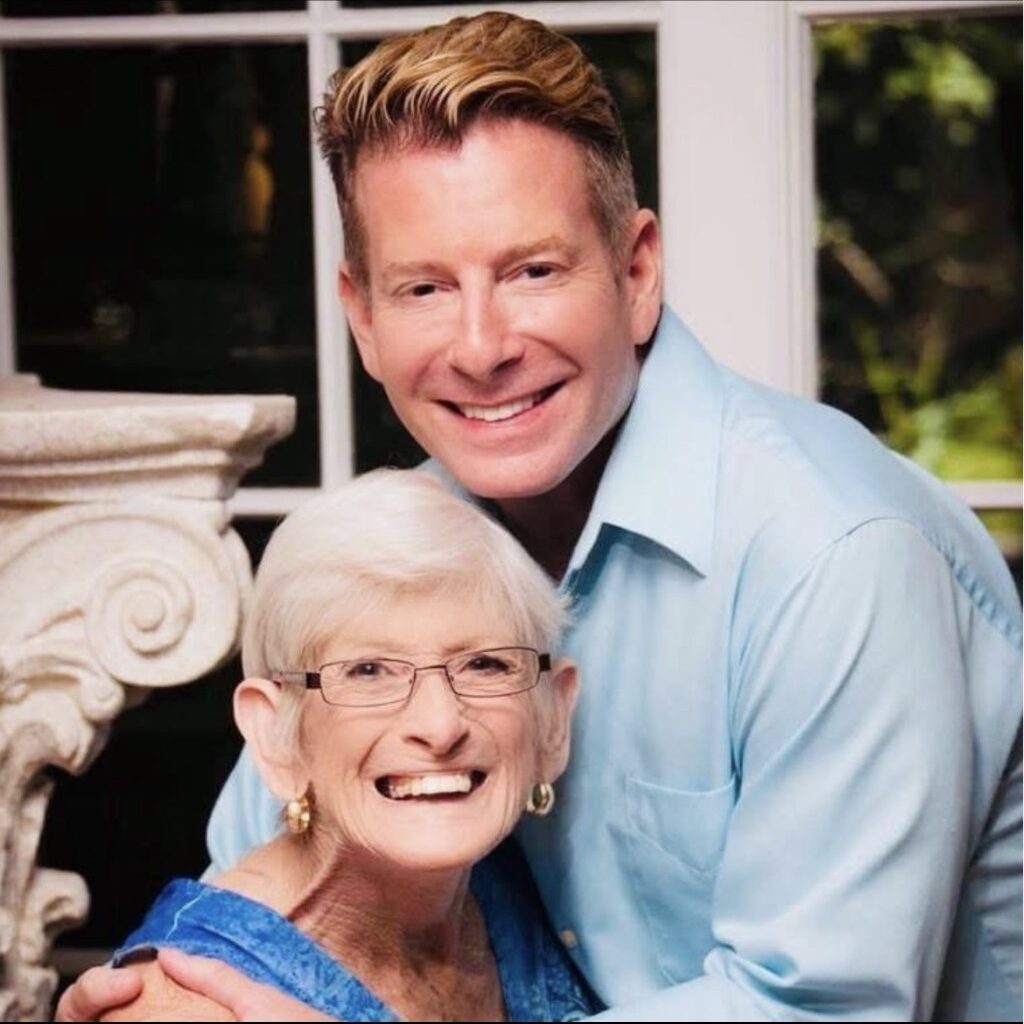
I miss my “Mommy.”
Dementia is not just a diagnosis. It is a slow, relentless grief that arrives while the person you love is still breathing.
About five years ago, I knew something wasn’t right. My mother wasn’t the same. It wasn’t forgetfulness in the ordinary sense … it was as if some of the spark plugs in her brain had stopped firing. I did what most children would do: I made an appointment with a neurologist.
I sat quietly as her doctor asked her to perform simple tasks. Draw a clock. Name the president. Tell us the date. She couldn’t. And in that moment, without a single dramatic announcement, I understood that our lives were changing.
Since then, we have tried everything. Every medication. Every recommendation. None of it reversed the decline. And what I learned, painfully and slowly, is this: the mother I knew, the strongest and most inspirational person in my life, was slipping away.
That is the cruelty of dementia. You mourn someone who is still here.
Sentinel File
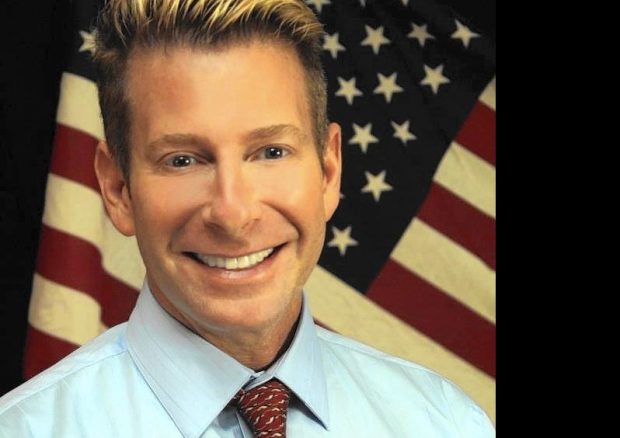
Randy Ross, candidate for Orlando City Council, District 4.
There are, oddly enough, small mercies. My mother does not remember my sister’s passing from cancer two years ago. She doesn’t know that she has lost siblings from her large family. Those truths no longer wound her. But every single day she talks about “going home.” She speaks of missing her mother and father. She is traveling a lonely internal road that I cannot fathom, no matter how much I love her.
And that helplessness … that is what breaks you as a family member/caregiver.
So here is my message to families and friends walking this road especially here at the holidays: yes, the person you knew is gone. Outside of a miracle, they will never fully return. It is normal, human, to resist that truth at first. Denial is part of love. But don’t live there too long.
They are still here.
And while they are here, your response to their world matters more than reality ever could. A dementia patient may be disconnected from facts, but they are deeply connected to emotion. They know frustration. They know tension. They know when you are overwhelmed, because they are overwhelmed too.
So ignore what needs ignoring. Acknowledge what needs acknowledging. Laugh when laughter is offered. Hug often. Love loudly. Pretend normal still exists, because for them, your normal becomes their safety.
Do not correct. Do not argue. Do not chase logic.
Care for them. Keep them safe. And then, do nothing more than simply be present.
They understand a smile.
They recognize a gentle tone.
They respond to familiar music.
They know far more than we give them credit for.
Yes, I miss my “Mommy.” I miss her every day. But as long as she is here, she will never be lonely. That is my promise.
Accept that dementia does not improve. Accept that love must change shape. And in that acceptance, you may find a depth of faith and strength you never knew you were capable of carrying.
Dementia takes almost everything.
But it does not take our ability to love.
Randy Ross, a caregiver, is a former Republican candidate for Orlando city commissioner.