
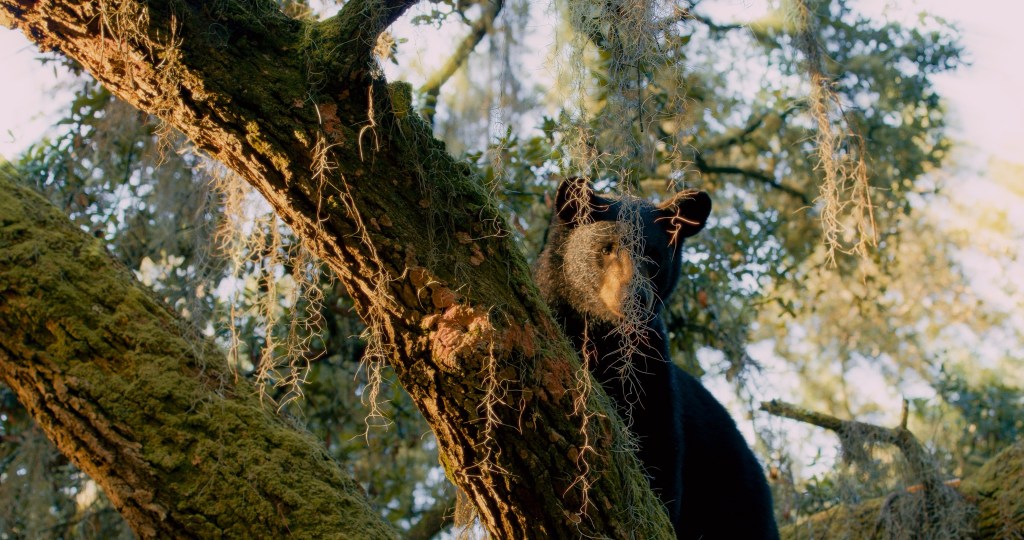
Fifty-two bears were killed in the first black bear hunt in Florida in a decade, far fewer than the cap the state had set, according to numbers released Tuesday by the state’s Fish and Wildlife Conservation Commission.
The 23-day hunt from Dec. 6 through Dec. 28 was restricted to 172 permit holders, each of whom won a “tag” through a lottery to take or harvest one bear, terms the agency uses for killing. But environmental groups had sought to drive down the number of bears taken by claiming tags of their own and — they said — paying hunters not to use theirs.
FWC Executive Director Roger Young touted the results as ensuring the long-term health of bear populations in Florida, while providing opportunity for hunters.
“The 2025 black bear hunt, rooted in sound scientific data, was a success,” he said in a statement. “We’re proud to have joined the more than 30 states that manage black bears with regulated hunting.”
The hunt, which is planned as an annual event, provoked a fierce debate between hunters and conservationists. Proponents said the bear population — which has rebounded from a few hundred in the 1970s to an estimated 4,050 today — needed to be managed to reduce bear-human and bear-vehicle encounters. Hunt opponents objected on ethical grounds and argued it would hurt bear populations.
The state devised a far more restrictive structure for the 2025 hunt than the last hunt in 2015, which was open to all licensed hunters but was shut down after a few days as the bear toll rose above 300. This time, only tag holders could hunt a bear, and tags were limited by geographic zone. The Central Bear Management Zone, including most of Central Florida, was capped at just 18 tags.
Each lottery entry cost $5. The state said it sold about 163,000 permit applications, and no one could win more than one.
Statewide, as many as 50 permit-holders may have secured a tag through the lottery with no plan to participate in the hunt, according to estimates from environmental groups. Animal advocates mounted a “spare a bear” campaign and even paid for many lottery entrants.
Susannah Randolph, Florida chapter director for the Sierra Club, said she thinks those advocacy efforts, along with declines in bear population densities, played a role in how few bears were killed during the hunt.
“It is much, much lower than anyone was anticipating,” she said.
Over the course of the hunt, state officials refused to release any updated information about its progress, even though hunters were required to report kills within 24 hours. The wildlife agency ignored multiple public records requests from the Orlando Sentinel for information from the hunters’ reports, and the statement issued Tuesday contained only the total harvest number. The agency said, however, that “all harvested bears were physically checked by FWC staff and bear response contractors, providing valuable data that will influence future management strategies.”
Randolph called Tuesday for state wildlife officials to release more detailed information about the hunt, including the sex of the bears that were killed.
“They need to come forward and show the public all of their work,” Randolph said. “They need to be fully transparent.”
The FWC statement said the agency expects to issue a “full harvest report . . . in the coming months.”
Orlando Sentinel reporter Stephen Hudak contributed to this report.