

Home
»
Latest Travel News
»
Los Angeles Joins Orlando, Houston, San Francisco, Miami, Dallas, and Other Major Cities in Florida, Texas, and California to Face Significant Travel Changes in 2026 Due to Rising Fees, Tourism Taxes, and New Policies: Everything You Need to Know
Published on
January 3, 2026

Los Angeles joins Orlando, Houston, San Francisco, Miami, Dallas, and other major cities in Florida, Texas, and California to face significant travel changes in 2026 due to rising fees, tourism taxes, and new policies. These cities are adjusting their tourism strategies to address the growing costs associated with accommodations, park entries, and other travel-related expenses, ensuring both sustainable growth and infrastructure improvements. As these major destinations prepare for the influx of visitors in 2026, travelers can expect to encounter higher costs across various sectors. Los Angeles, already grappling with high hotel taxes, will see a rise in transportation fees, including the increased BART fare and higher hotel occupancy taxes in coastal areas. Orlando is also set to raise ticket prices for theme parks like Walt Disney World, while Miami will impose new tourism taxes to fund public infrastructure projects. In Texas, Houston and Dallas are introducing increased visa fees and higher lodging taxes that will make travel more expensive, particularly for international visitors. Meanwhile, San Francisco continues to grapple with rising public transit costs, making it one of the priciest cities to navigate in 2026. These cities’ adjustments highlight the ongoing shift in how travel is experienced in the U.S., and understanding these changes is crucial for anyone planning a visit.
Los Angeles: The Rising Costs of a Star-Studded Stay

In 2026, travelers heading to Los Angeles will experience some of the steepest costs in California, primarily due to significant hikes in taxes and entry fees. The city’s Transient Occupancy Tax (TOT), which is already one of the highest in the state, remains at a substantial 12%. When combined with state and local assessments, this brings the total tax on a hotel stay to over 15%, making lodging costs even higher than in previous years. Beyond the city’s steep accommodations taxes, a new federal “international visitor surcharge” will be imposed starting January 1, 2026. Non-U.S. residents planning to visit the iconic Yosemite and Sequoia & Kings Canyon National Parks must now pay a $100 entry fee. This fee is part of an effort to fund national park maintenance and conservation. Additionally, LA visitors will encounter the increased “Tourism Marketing District” fees added to many hotel bills, designed to boost local tourism promotion. These increases in taxes and fees mark a substantial shift from 2025, where costs were already rising, making it crucial for travelers to anticipate these expenses when planning their trips.
Orlando: The Theme Park Price Surge

Orlando’s 2026 travel landscape sees considerable price hikes, particularly in the theme park sector. Walt Disney World has implemented significant increases in ticket prices for 2026, with single-day tickets now ranging from $119 to $209, plus a 6.5% sales tax. This represents a notable jump compared to the previous year, adding to the already high costs associated with the parks. Parking fees at major resorts have also risen, with the standard daily rate now set at $35. Orlando’s legislative shifts further add to the expenses; a portion of the 6% local Tourist Development Tax will now be allocated to infrastructure and beach maintenance, making this tax even more entrenched in vacation budgets. The increase in theme park fees and taxes compared to 2025 is not just a matter of inflation but also a strategic move to fund local projects that are crucial for maintaining the area’s tourism infrastructure. Visitors should be prepared for these changes, as they will undoubtedly impact vacation budgets for 2026.
Houston: Hidden Fees and Rising Taxes Hit Travelers Hard
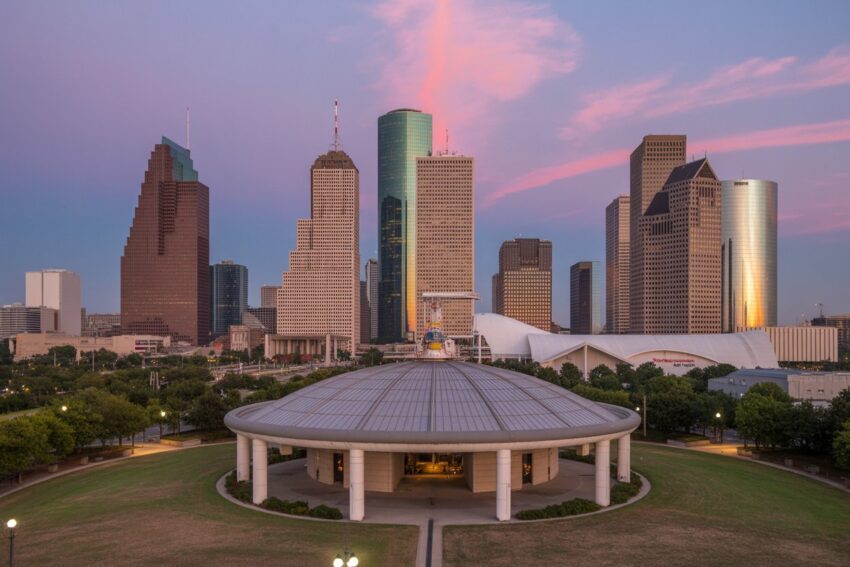
Houston is experiencing a rise in lodging taxes and additional fees in 2026, making it one of the more expensive destinations in Texas. Combined state and local taxes on accommodations now total up to 17%, putting pressure on travelers, especially those booking hotels in the city’s high-demand areas such as the Energy Corridor and Medical Center. For international business visitors, the new $250 Visa Integrity Fee, effective in 2026, adds a significant burden, bringing the total cost of a visitor visa (B-1/B-2) to over $440. This increase will impact business professionals seeking entry to the U.S. for conferences, trade shows, or meetings. Houston continues to use its “Venue Tax” to fund large-scale projects, including sports and convention facilities, which means visitors to major events may find additional venue-related fees tacked onto their bills. With all these changes, the costs of visiting Houston in 2026 are set to rise dramatically compared to 2025, particularly for international travelers and those attending events at large venues.
San Francisco: Bay Area Fare Hikes and Hotel Tax Woes

San Francisco’s 2026 travel costs are being significantly impacted by new transit fares, tax hikes, and entry adjustments. The city has implemented a 6.2% fare increase for BART services starting January 1, 2026. This hike will make it more expensive for travelers to take the BART from San Francisco International Airport to downtown, a crucial service for many visitors. Alongside this, visitors should anticipate the continued imposition of high hotel taxes, with San Francisco maintaining one of the highest hotel tax rates in the nation—14% plus district assessments. The city’s transit system, including Muni and regional ferry services, has also introduced fare increases, which will affect tourists looking to get around the city. Furthermore, Yosemite National Park, located outside the city, now requires a $100 international surcharge for non-U.S. residents. This new fee is part of a broader strategy to fund the park’s maintenance and conservation efforts. When compared to 2025, 2026 travelers will see significant increases in transportation costs and the impact of new federal policies on national park access.
Miami: A Hot Spot for Rising Taxes and New Fees
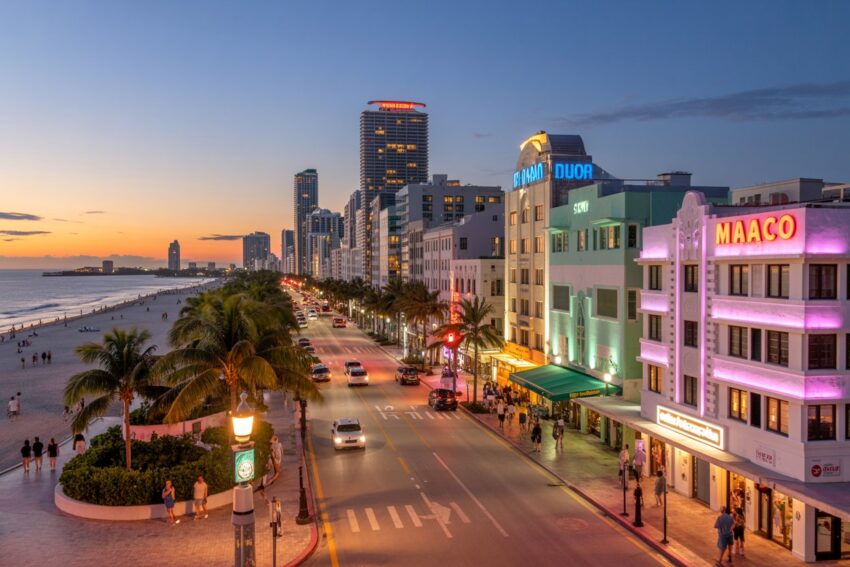
Miami in 2026 sees significant changes in state-level regulations and rising hospitality costs that will affect travelers. Florida’s SB 458, effective July 2026, permits counties to use Tourist Development Tax revenues for an expanded range of public facilities, ensuring that this 6% tax remains a permanent fixture in travelers’ budgets. This move will likely raise the cost of lodging for anyone visiting the city, especially as the revenues from this tax are increasingly directed toward infrastructure and public works. Additionally, Miami International Airport has become a focal point for the new Visa Integrity Fee, impacting international visitors, especially those from non-ESTA countries. These travelers will find the cost of obtaining a visa has risen substantially. For those planning to visit the Everglades, the $100 international visitor surcharge will now apply as part of the ongoing federal initiative to offset the maintenance costs of national parks. Compared to 2025, the cost of visiting Miami in 2026 will be higher, especially for international visitors and those traveling during peak tourist seasons.
Dallas: Rising Hotel Fees and Visa Costs for Global Travelers
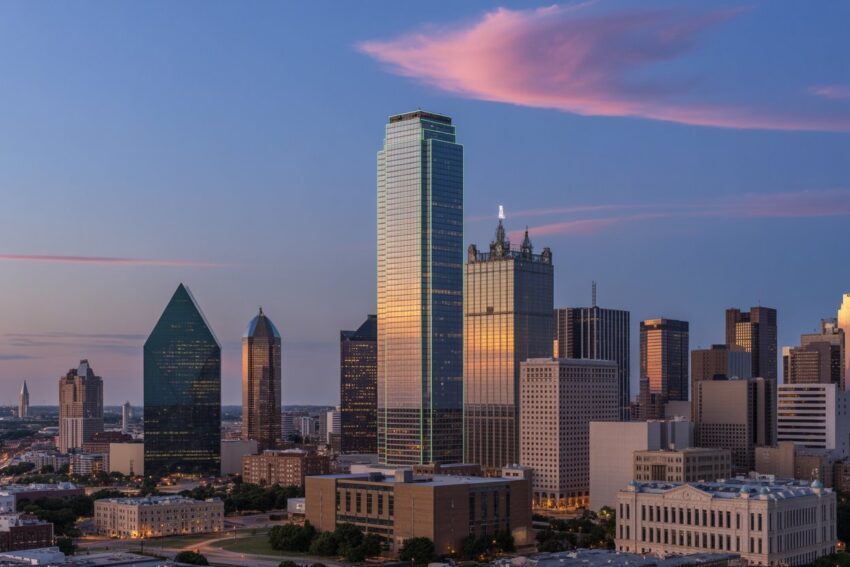
Dallas in 2026 is witnessing rising travel costs, especially for international visitors. The city’s Hotel Occupancy Tax (HOT), which often reaches as high as 15%, has remained a significant factor in the price of accommodations, making Dallas one of the more expensive cities in Texas for tourists. Additionally, new “venue fees” related to Dallas’s large stadiums and convention centers will likely be added to travelers’ bills. These fees, which support the city’s investment in infrastructure, are an important consideration for those planning to attend events or conferences in Dallas. The 2026 fiscal year also introduces an increased Visa Integrity Fee, which will affect international travelers applying for visitor visas, particularly from non-ESTA countries. This fee will be a major cost to consider, as it can push the total cost of obtaining a visitor visa over $440. For domestic travelers, rising parking fees and high car rental taxes are making Dallas an increasingly expensive destination. Compared to 2025, these changes, especially for international travelers, will significantly raise the overall cost of visiting Dallas in 2026.
2026 Travel Fee Summary: Compare the Costs Across States
Fee TypeFloridaTexasCaliforniaVisa Integrity Fee$250$250$250I-94 Arrival Fee$24$24$24National Park Surcharge$100N/A$100Non-Resident Annual Pass$250N/A$250ESTA/EVUS Fee$13 – $40$13 – $40$13 – $40Hotel Occupancy Tax6% + 6% (state)6% (state) + up to 9% (local)15% or more in select citiesBART Fare HikeN/AN/A6.2%Rental Car TaxN/A5.9% – 11.9%N/A
These changes represent a major shift in how visitors to Florida, Texas, and California will budget for their trips in 2026, with significant increases in entry fees, hotel taxes, and rental car costs. Travelers should be prepared for these added expenses as they plan their vacations to these popular destinations.
Florida: The Sunshine State Gets More Expensive for Tourists
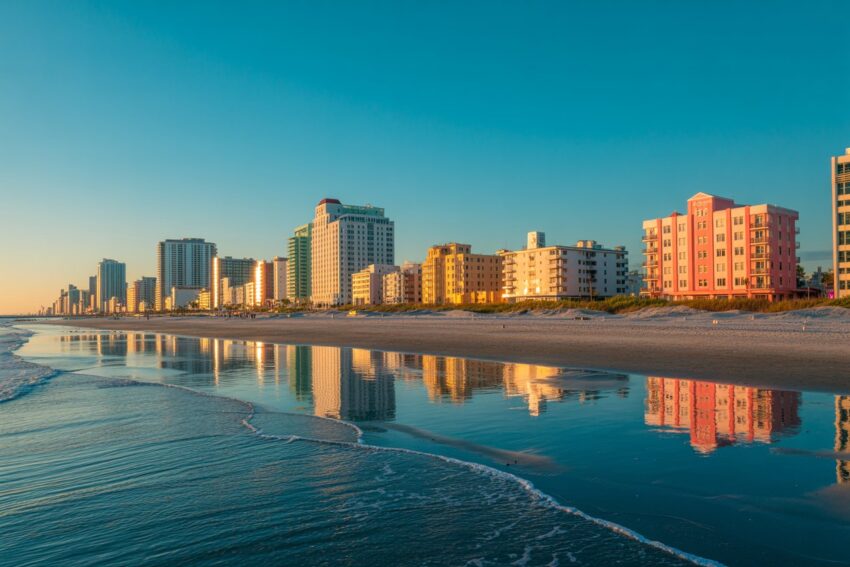
In 2026, Florida is implementing a significant change in how it taxes visitors, particularly those traveling to high-demand areas like Orlando and Miami. Under the new Senate Bill 458, effective July 1, 2026, the state is adjusting its use of the Tourist Development Tax (TDT). While the TDT rate remains capped at 6% (on top of the state’s 6% sales tax), more of the revenue will be allocated toward public infrastructure projects such as commuter rail systems, beach restoration, and sewage improvements. This means that visitors to popular destinations like Orlando, Miami, and the Florida Keys will see the tax rate stay at the maximum allowable limit.
For international travelers, a new federal fee will impact those planning to visit Florida’s iconic Everglades National Park. Starting in 2026, non-U.S. residents will be required to pay a $100 international surcharge to enter the park. When combined with the $250 Visa Integrity Fee and the $24 I-94 fee, a family of four from a non-visa-waiver country could face over $1,500 in entry-related costs alone. These fees, added to the high taxes in key tourist cities, make Florida one of the more expensive states to visit for international tourists.
Fee TypeAmountWho PaysVisa Integrity Fee$250All non-immigrant visa applicantsI-94 Arrival Fee$24Visitors entering via land or seaNational Park Surcharge$100International visitors to select parksNon-Resident Annual Pass$250International visitors (alternative to individual park surcharges)ESTA/EVUS Fee$13 – $40Visa-exempt travelers and specific registration groups
Texas: More Tax Hikes for Visitors and Business Travelers
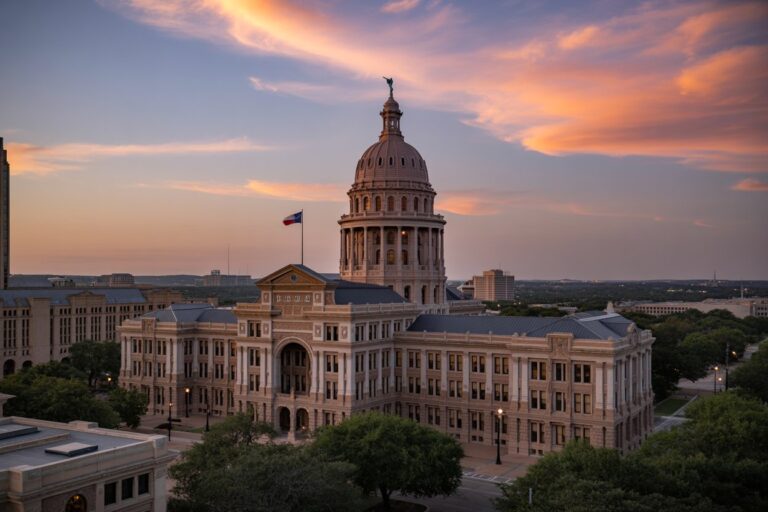
In 2026, Texas is adjusting its travel tax landscape to better capture revenue from the rapidly expanding short-term rental market (e.g., Airbnb, VRBO). The state has updated its Hotel Occupancy Tax (HOT) system, now enforcing a 6% state rate plus up to 9% in local taxes, which means that in cities like Houston and Dallas, the total tax rate on hotel stays will often exceed 15%. Visitors to Texas should expect these taxes to remain firmly in place, increasing the cost of accommodations.
A major shift for 2026 also comes with the implementation of the “One Big Beautiful Bill” Act, which impacts business travelers. Texas, a major hub for the energy and tech industries, will see a significant increase in costs for B-1 business visa applicants, as the $250 Visa Integrity Fee adds an extra layer of cost. Additionally, rental car taxes are on the rise, with rates in major jurisdictions climbing from 5.9% to 11.9% as of January 1, 2026. This change will make road trips across the Lone Star State considerably more expensive, adding to the already high costs of visiting major cities.
Fee TypeAmountWho PaysVisa Integrity Fee$250All non-immigrant visa applicantsI-94 Arrival Fee$24Visitors entering via land or seaHotel Occupancy Tax (HOT)6% (state) + up to 9% (local)All travelers booking accommodationsRental Car Tax5.9% – 11.9%Renters in major jurisdictions
California: Expensive Parks and Skyrocketing Transit Costs

California continues to be the most expensive state for international travelers in 2026, with several new fees that make a trip to the Golden State a costly affair. Among the most notable is the “Triple-Park” surcharge, which requires non-residents to pay a $100 per person entry fee to visit Yosemite, Joshua Tree, and Sequoia & Kings Canyon National Parks. This new federal fee is a direct result of a mandate to increase funding for national park maintenance and preservation efforts. Travelers who do not wish to pay individual fees for each park can purchase a $250 Non-Resident Annual Pass to cover all three parks.
Locally, California cities are also raising their Transient Occupancy Taxes (TOT), with some coastal cities now charging over 15% in taxes on hotel stays. For visitors in the Bay Area, BART fare hikes of 6.2% in early 2026 will make travel between San Francisco International Airport and downtown more expensive. International travelers also face increased visa-related costs, as the total cost for a B-1/B-2 visa has now surged to approximately $472. These price hikes across various sectors make California one of the most financially demanding destinations for international travelers.
Fee TypeAmountWho PaysVisa Integrity Fee$250All non-immigrant visa applicantsI-94 Arrival Fee$24Visitors entering via land or seaNational Park Surcharge$100International visitors to major parksNon-Resident Annual Pass$250International visitors (alternative to individual park surcharges)ESTA/EVUS Fee$13 – $40Visa-exempt travelers and specific registration groupsTransient Occupancy Tax (TOT)15% or moreHotel guests in select California citiesBART Fare Hike6.2%BART travelers between SFO and downtown SF
Los Angeles joins Orlando, Houston, San Francisco, Miami, Dallas, and other major cities in Florida, Texas, and California to face significant travel changes in 2026 due to rising fees, tourism taxes, and new policies. These cities are adjusting their tourism strategies to address the growing costs associated with accommodations, park entries, and other travel-related expenses, ensuring both sustainable growth and infrastructure improvements.
Conclusion
In 2026, Los Angeles, Orlando, Houston, San Francisco, Miami, Dallas, and other major cities across Florida, Texas, and California will face significant changes in their travel landscapes due to rising fees, tourism taxes, and new policies. These adjustments are being implemented to support the growing demand for tourism while addressing the need for improved infrastructure and sustainability. The increase in hotel taxes, entry fees, and surcharges for international visitors reflects a broader trend across these regions to balance growth with the responsibility of maintaining and enhancing tourism offerings. While these changes may impact travelers’ budgets, they are essential for supporting long-term tourism and local economies. As these cities adapt to the evolving travel environment, they continue to remain top destinations, offering unique and exciting experiences for visitors from around the world.
