
TAMPA, Fla. — Tampa Bay’s public radio and television stations are looking at how they’ll move forward without the Corporation for Public Broadcasting.
After Congress voted to defund its operations over the summer, the 58-year-old organization’s board voted to dissolve the CPB this week.
“We absolutely feel the fact that CPB has closed,” WEDU-PBS President and CEO Paul Grove said. “They were kind of the glue to the system to try to keep all the stations with grants and making sure that we had the opportunity to find additional dollars for our national programming.”
What You Need To Know
The board of directors of the Corporation for Public Broadcasting voted Monday to dissolve the 58-year-old organization
The move comes after Congress pulled funding for the CPB this past summer
Public media stations nationwide relied on funding from CPB to include in their budgets
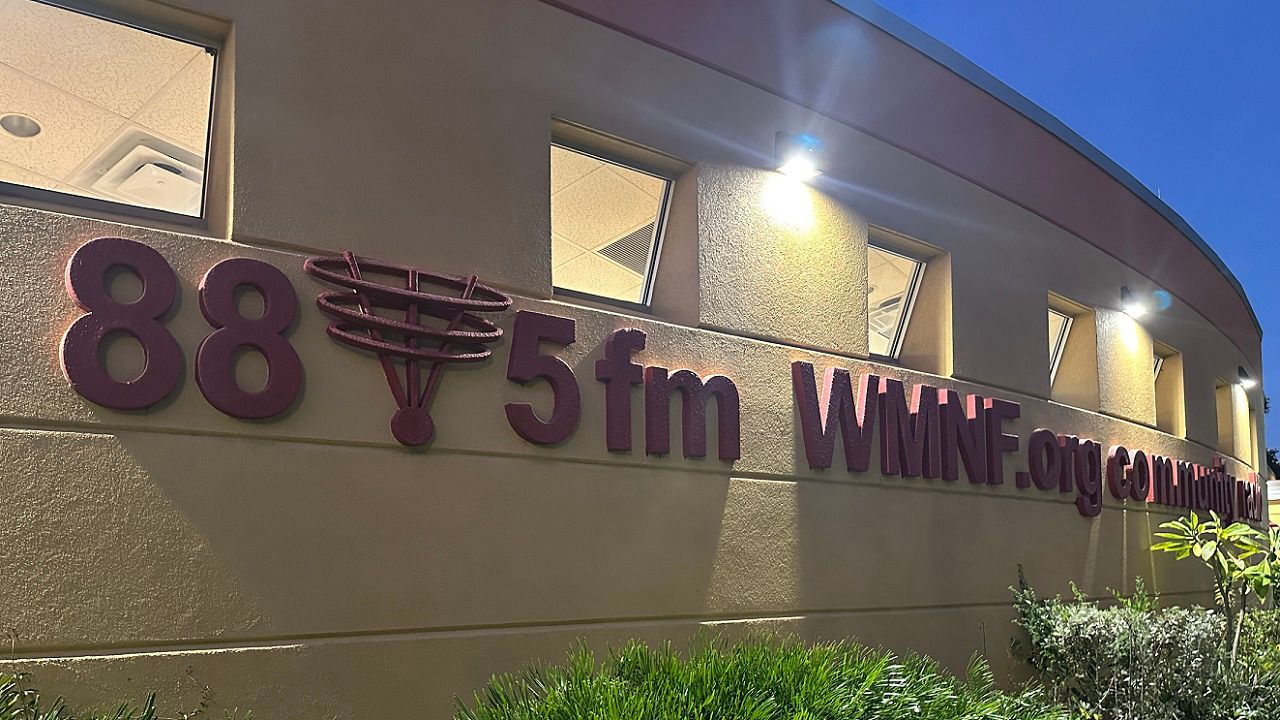
Representatives from Tampa Bay stations like WEDU-PBS, WMNF, and WUSF said they’re not going anywhere, despite the CPB closure, and will have to rely more heavily on the public and other revenue streams for funding
Visit web sites for WEDU-PBS, WMNF, and WUSF to learn more
This past year, WEDU-PBS — a 70-year-old public television station — lost 20% of its operational budget when Congress defunded the CPB.
“It is tight,” Grove said. “We knew that when we lost the $2.8 million for the annual budget that it was going to be a strain for us. So, we looked at what we were going to be doing in the future and how we’re going to be pivoting to make sure that we’re going to be providing this content.”
That includes everything from free educational resources for home schooled students and in-depth documentaries, to providing critical information during emergencies, like hurricanes. Grove said the station made small cuts and is getting creative to come up with new ways to bring in money, like its WEDU Travel Club.
“We’re going to rely on our community even more now than ever,” he said. “They’ve been wonderful — an outpouring of support, especially when they heard about us losing federal funding.”
The CPB said in a statement that without federal funding, it couldn’t fulfill its congressionally mandated responsibilities.
“A dormant and defunded CPB could have become vulnerable to future political manipulation or misuse, threatening the independence of public media and the trust audiences place in it,” the statement said, in part.
“I mean, it wasn’t shocking,” WMNF anchor and reporter Chris Young said of the board’s vote. “It’s sad, obviously, because public radio and public media in general in America is just so important.”
Listeners seem to agree. According to the radio station, it raised a record amount of money during an emergency drive after it lost funding.
Young said subsequent drives have been so successful that the station was able to hire two new positions. In the past, CPB support helped pay for employee benefits, an antenna, and more. Young said that while donation drives have been successful thus far, there is a question about whether that support will be sustained.
“This is obviously a huge chunk of money that we got from the federal government, and with its loss, we’re going to have to figure out how to make up for it,” he said. “But our current board of directors is working now on a contingency plan on how we can sustain that funding and that support throughout these next few years.”
WUSF general manager Leslie Laney said that radio station also expected the dissolution and is well prepared. She said WUSF lost $800,000 in annual funding, or 6% of its budget. Like other stations, she said the vast majority of funding comes from listeners, and they’ve stepped up in a huge way.