
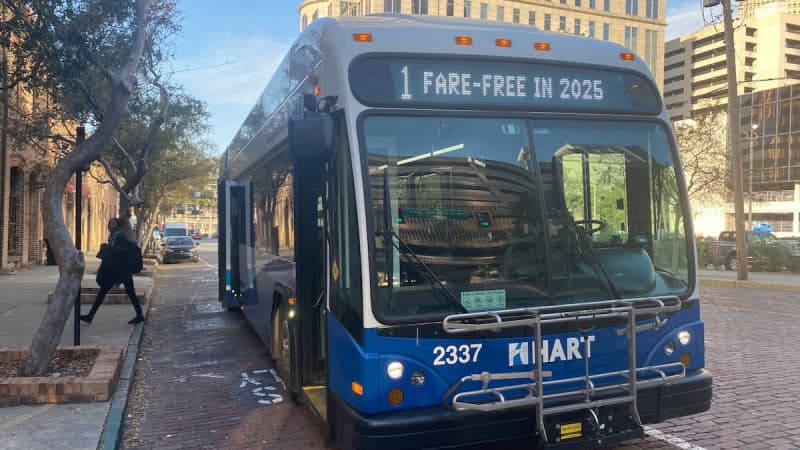
Hillsborough County’s Route 1 bus line reached the highest ridership in Tampa Bay after it became free in 2025.
But starting Monday, riders must return to paying a $2 one-way fare.
The city of Tampa funded one year of free fares and increased weekday frequency last year, to the tune of $1.6 million. Route 1, a key bus line along Florida Avenue from downtown Tampa to the University of South Florida, gained about 2,000 daily riders as a result. The route’s current average of more than 5,000 riders per weekday makes it the most popular bus line in Tampa Bay.
Tampa is still subsidizing the route this year. But instead of funding free fares, the city is making sure buses reliably stop every 15 or 20 minutes.
City Council allocated $1.3 million toward maintaining 15-minute frequency on weekdays and increasing the service’s frequency on weekends and evenings.
Buses are now scheduled to come by every 20 minutes from 6 a.m. to 9 p.m. on weekends. They previously came by every half hour during that time frame.
Buses are also slated to come every 20 minutes on weekday evenings from 6 a.m. to 9 p.m., improving upon the previous 30-minute frequency.
Fare-free routes are a common strategy in Tampa Bay to entice otherwise reluctant riders to try out the bus.
“A lot of people that would consider using transit feel awkward” learning to pay fares as they board, said Christine Acosta, a board member for Walk Bike Tampa.
Manatee County eliminated fares altogether in 2023, boosting ridership from 1.25 million to 2 million, said the county’s transit division manager Kevin Hoyt. The TECO Line Streetcar has been free to ride since 2018.
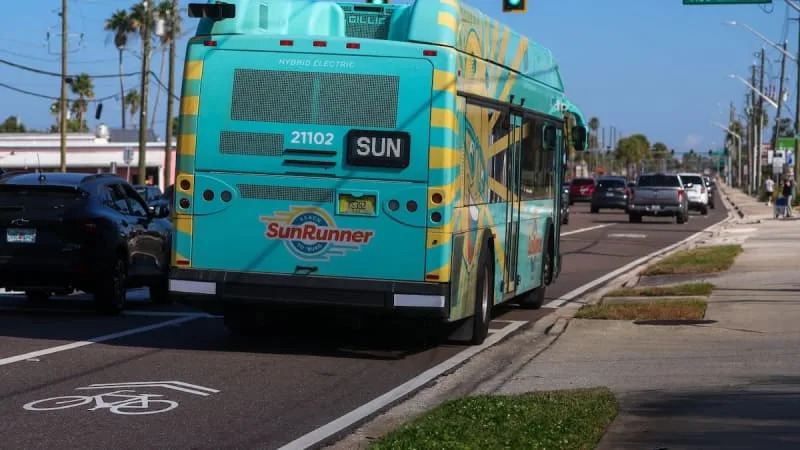
But reimplementing fares has sunk ridership on other routes. The SunRunner, Pinellas County’s first rapid bus service, saw its ridership plunge 40% after a fare-free pilot was cut short in 2023 due to resident complaints about homeless people riding the bus.
Ridership never fully recovered after fares were reintroduced on the SunRunner. About 2,400 per day rode the route during the first half of November — a far cry from the route’s peak of roughly 3,700 daily riders in March 2023.
About 80% of riders plan to continue using the route even after fares resume, according to a survey of more than 350 Route 1 riders conducted by the Hillsborough Area Regional Transit Authority. Around a quarter responding were new riders.
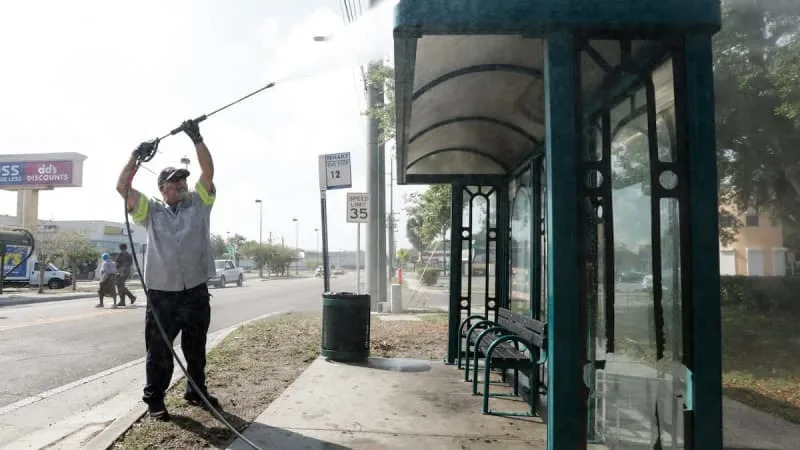
Some respondents also noted overcrowding and issues with cleanliness on Route 1 buses. Reimplementing fares should help with those issues, said Heather Sobush, director of planning and scheduling at the Hillsborough transit authority.
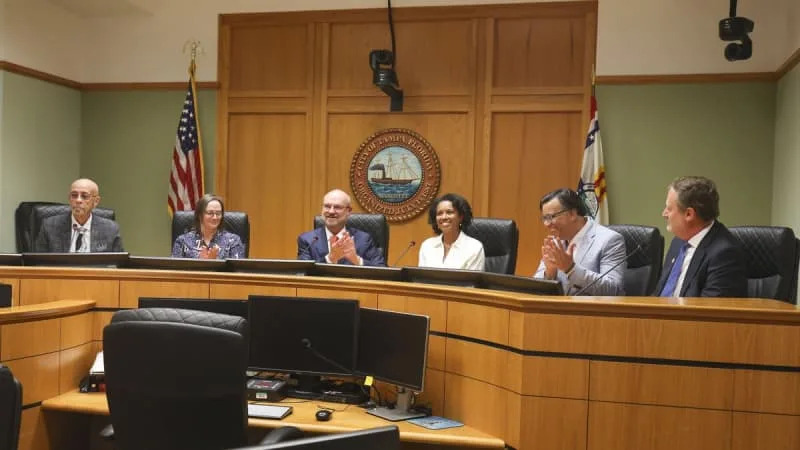
Tampa City Council member and former transit authority board chair Luis Viera praised Lynn Hurtak, a fellow council member who pushed the city to fund Hillsborough’s most popular route for the last two years.
The first round of funding passed by a slim 4-3 margin. But this time council voted unanimously to pump more funds into Route 1, Viera said.
“This is a route that benefits, obviously, a lot of working people in this area, a lot of students, a lot of veterans looking to get treatment at the VA (hospital),” he said. “This was a really, really big thing because, I’ll just be honest guys, we haven’t had a lot of wins in mass transit here in Hillsborough County and the city of Tampa that have been sticking.”