
Home » AIRLINE NEWS » FAA Lithium Battery Travel Safety Alert After Delta Air Lines Flight Diverted to Fort Myers Due to Passenger Device Fire En Route to Fort Lauderdale
Published on
January 10, 2026
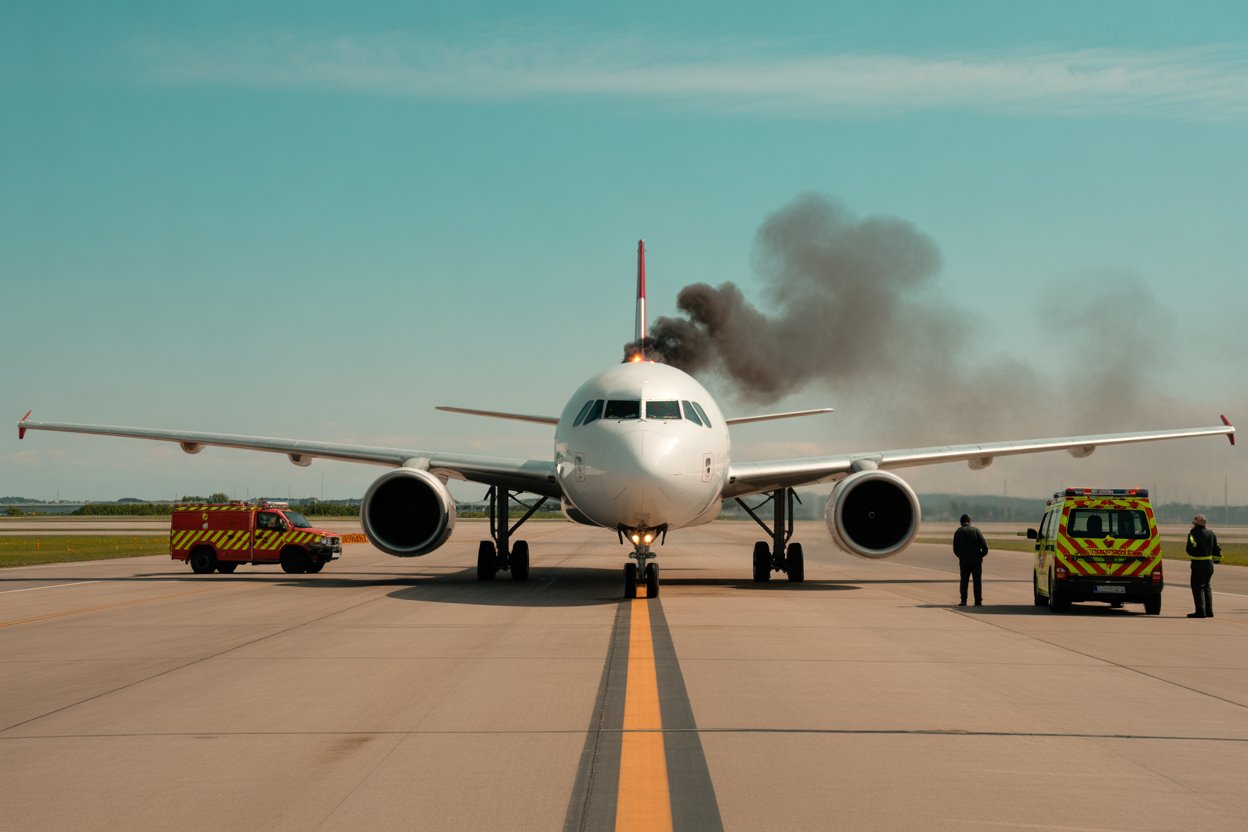
On Monday, Delta Air Lines flight 1334 from Atlanta’s Hartsfield‑Jackson International Airport to Fort Lauderdale International Airport was diverted for an emergency landing at Southwest Florida International Airport in Fort Myers, Florida. The reason: a personal electronic device’s lithium battery apparently caught fire in the cabin during flight. The crew acted on safety protocols, extinguishing the fire and declaring an emergency due to lingering smoke. The aircraft landed without injuries to the 185 passengers and six crew members.
Key official aviation data shows that incidents involving lithium‑ion batteries—including overheating, smoke, and fire—are documented and tracked by the U.S. Federal Aviation Administration (FAA), with a notable number of verified events reported in recent years.
What Happened Aboard Delta Flight 1334?Flight 1334, a Boeing 757‑200, departed Atlanta for Fort Lauderdale.Mid‑flight, smoke was reported from a passenger’s personal electronic device battery.Flight attendants extinguished the fire on board and reported residual smoke.The pilot declared an emergency and diverted to Fort Myers for a safe landing.No injuries occurred, and the aircraft later continued its journey.
This type of diversion is rare but demonstrates how crews respond immediately to any fire risk, no matter the source. The FAA explicitly tracks such lithium battery incidents due to their potential hazard aboard aircraft.
Official Safety Context: FAA Lithium Battery Data
According to the Federal Aviation Administration:
Multiple verified incidents involving smoke, fire, or extreme heat from lithium batteries have been recorded in recent years.Through mid‑year reporting periods, dozens of these events have happened on passenger and cargo flights in the U.S.Lithium‑ion battery thermal runaway can produce heat, smoke, and dangerous gases rapidly if a defect or damage occurs.
The FAA data does not suggest that commercial air travel is unsafe; instead, the agency’s tracking and safety alerts emphasize crew training and containment procedures to mitigate risks from modern electronic devices.
Why Lithium Battery Fires Occur
Lithium‑ion batteries power most personal electronic devices such as smartphones, tablets, laptops, and power banks. These batteries can overheat and even enter a condition called thermal runaway if:
The battery is damaged.A short circuit happens.The device overheats due to misuse or defect.
Official aviation safety bodies recognise that thermal runaway events can escalate quickly, releasing smoke or flames that require immediate crew action.
Traveller Safety Rules for Electronic Batteries
To minimize risk and comply with aviation safety regulations:
Carry devices with lithium batteries in the cabin rather than checked baggage where possible.Do not stow spare lithium batteries in checked luggage; keep them in carry‑on bags.Do not charge devices unattended or leave them running in crowded baggage spaces.Airlines often provide containment bags for batteries that overheat.
These precautions align with FAA guidance and broader aviation safety recommendations aimed at reducing the frequency and severity of lithium battery incidents.
Traveller Advantages of Knowing This InformationInformed packing: Understanding how to stow batteries reduces your chances of triggering a safety diversion or delay.Safety awareness: Knowledge of official safety rules helps you comply with airline and airport procedures.Reduced stress: Anticipating what to do if your device feels unusually hot can keep you calm during travel.Fewer delays: Proper battery management decreases the chance of your flight being disrupted.Confidence in safety: Knowing that crews are trained to handle such emergencies reassures travellers.Traveller Disadvantages and Disruptions to ExpectFlight delays: Emergencies like battery fires can delay departure or cause diversions to alternate airports.Stress: Sudden in‑flight emergencies can cause anxiety among passengers.Inspection protocols: More attention may be given to devices during airport security checks.Device restrictions: Travellers with large battery banks may need special airline approval, complicating packing.Potential cancellations: In rare cases, flights could be cancelled depending on severity and airport resources.What This Means for Future Flights
Aviation authorities emphasize that:
Any fire risk aboard an aircraft — even from a small device — is taken seriously.Crews are trained and equipped to handle battery fires safely.Flight diversions remain a precautionary measure to protect passengers and aircraft integrity.
The Delta emergency landing underscores aviation safety systems working as intended, protecting lives even when unexpected hazards arise. Passengers who prepare accordingly and understand battery safety protocols will likely experience smoother, safer journeys.
