
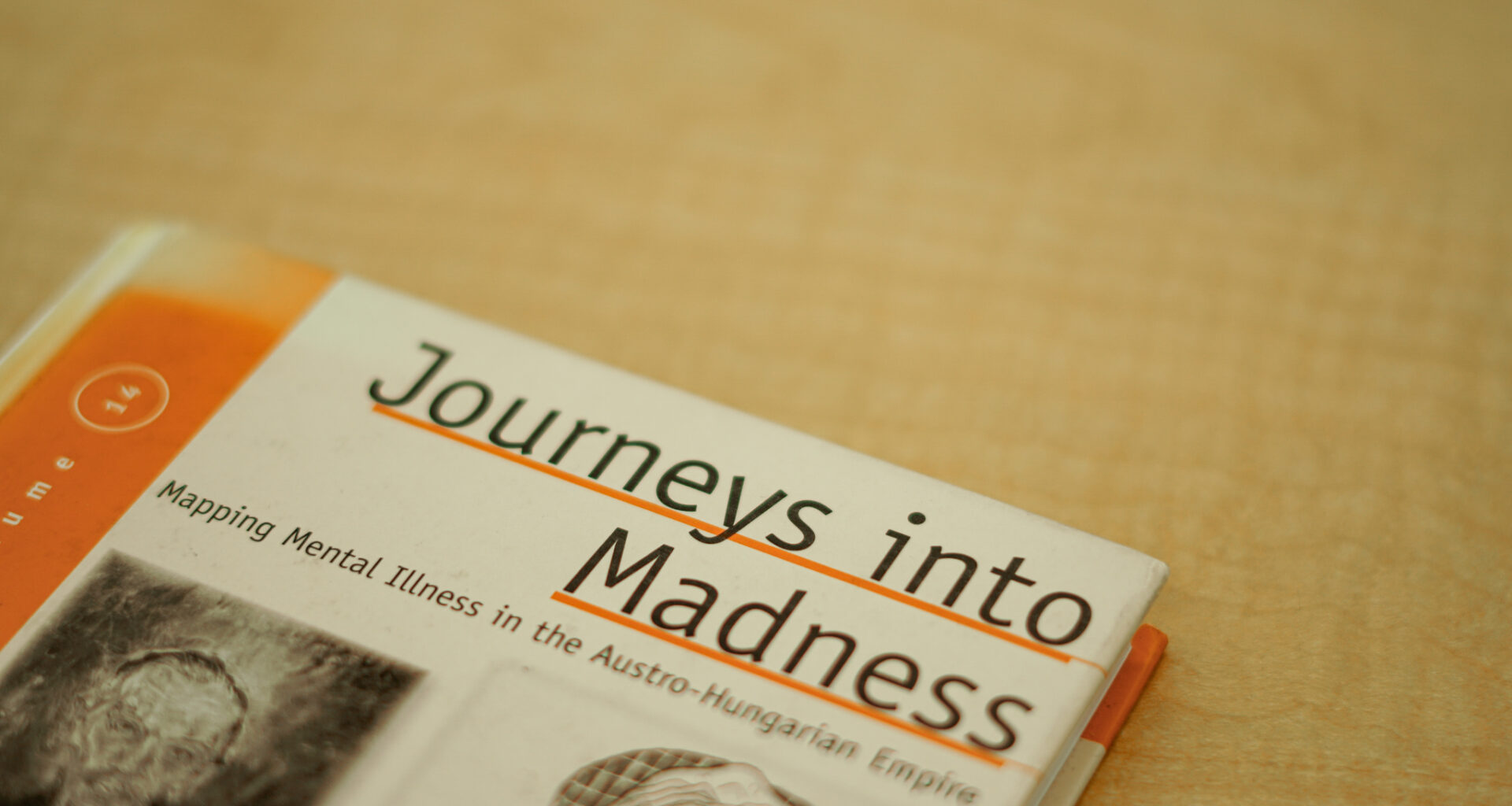
 A book titled “Journeys into Madness” resting on a table. (Khalil-Lullah Ballentine/ The FAMUAN)
For many, winter can take a toll on overall well-being. Motivation begins to feel zapped, energy levels drop and self-care routines start to feel like chores. Seasonal depression can sweep in unexpectedly and fast.
Anika Fields, Director of FAMU’s Counseling Services, urges students not to dismiss that yearly feeling as a simple case of “winter blues.”
“Seasonal depression happens in the colder seasons,” Fields said. “People may have symptoms that can last longer, where they will need medication and also need to be in therapy. Often times, it would be effective to be in therapy and possibly on medication. But once the weather changes to warmer again, they typically begin to feel better versus it just lingering.”
The Mayo Clinic advises that seasonal affective disorder should be taken seriously. Without treatment, it can worsen and lead to social isolation, substance abuse, or suicidal thoughts. Fields said she often sees students struggling more around the holidays.
“People become depressed due to the holidays and missing people who have passed away, or broken relationships that were mended during previous years,” Fields said. “Missing a loved one who passed, like a mother, and wondering ‘who is going to cook the dressing or the signature meal they used to love?”
Laila Nieves, a fourth-year psychology major, said the shift happens subtly.
“It starts with me not wanting to get out of bed,” Nieves said. “Then suddenly I’m canceling plans and losing interest in things I normally love. By December, I feel disconnected from everyone.”
Abigail Eno, a fourth-year environmental engineering student, experiences similar patterns.
“I’m far from home, and winter feels isolating,” Eno said. “I push through classes, but emotionally it’s draining. It feels like I’m carrying a weight no one can see.”
Fields recommends therapy as a method to provide support and ensure students are mentally capable to tackle school demands.
“Mindfulness is evidence-based, easy and almost anyone can do some form of it,” she said. “Breathwork works with decreasing stress.”
FAMU Counseling Services offers in-person and virtual sessions, group programs like “Men Talk” and “Women Talk,” and partnerships with Better Minds for expanded access. Students can receive help by visiting Room 304 in the CASS Building or scheduling an appointment.
“For students hesitant to receive help, please know it is not a scary situation,” Fields said. “It is a safe place and confidential.”