
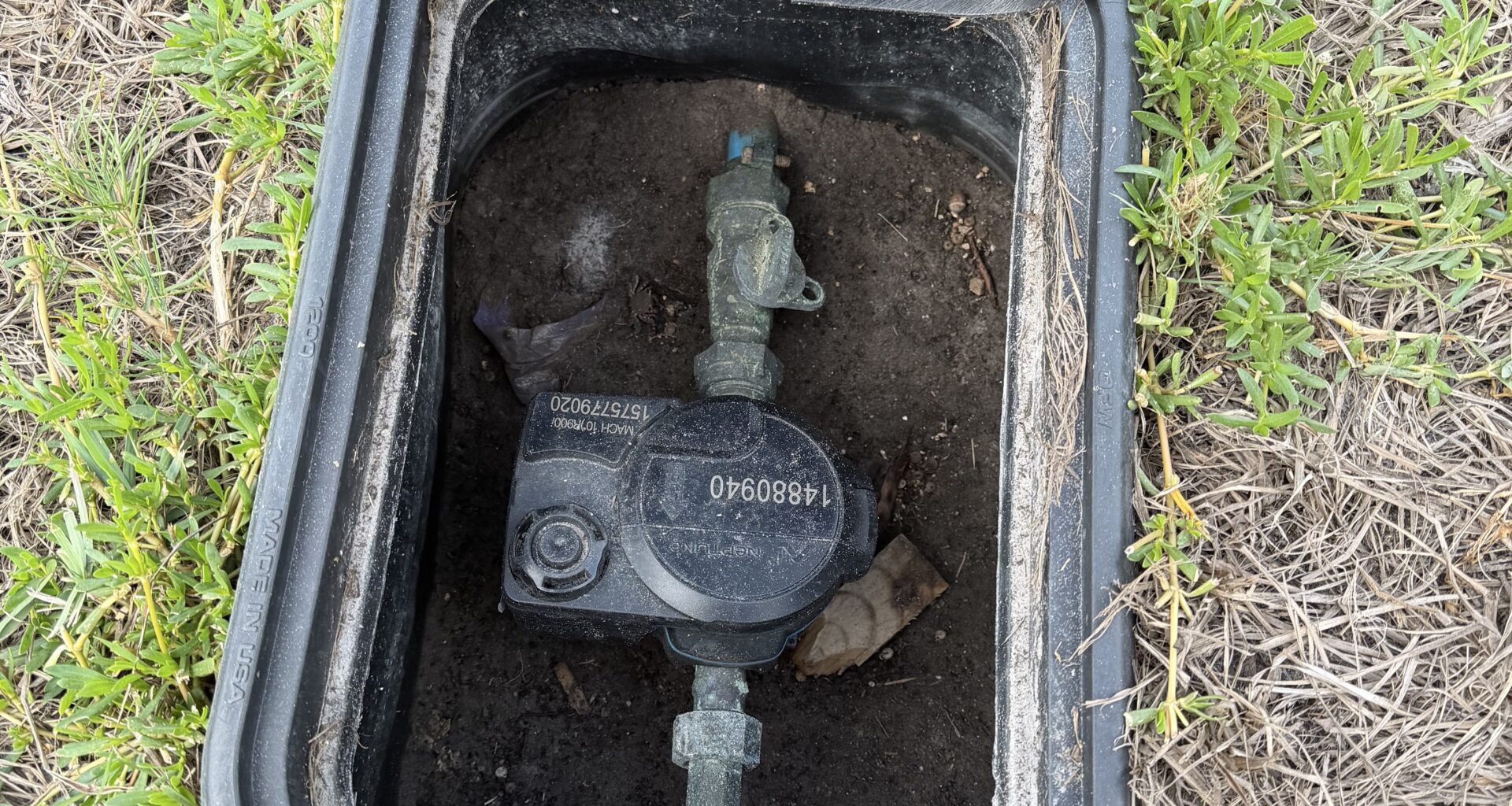
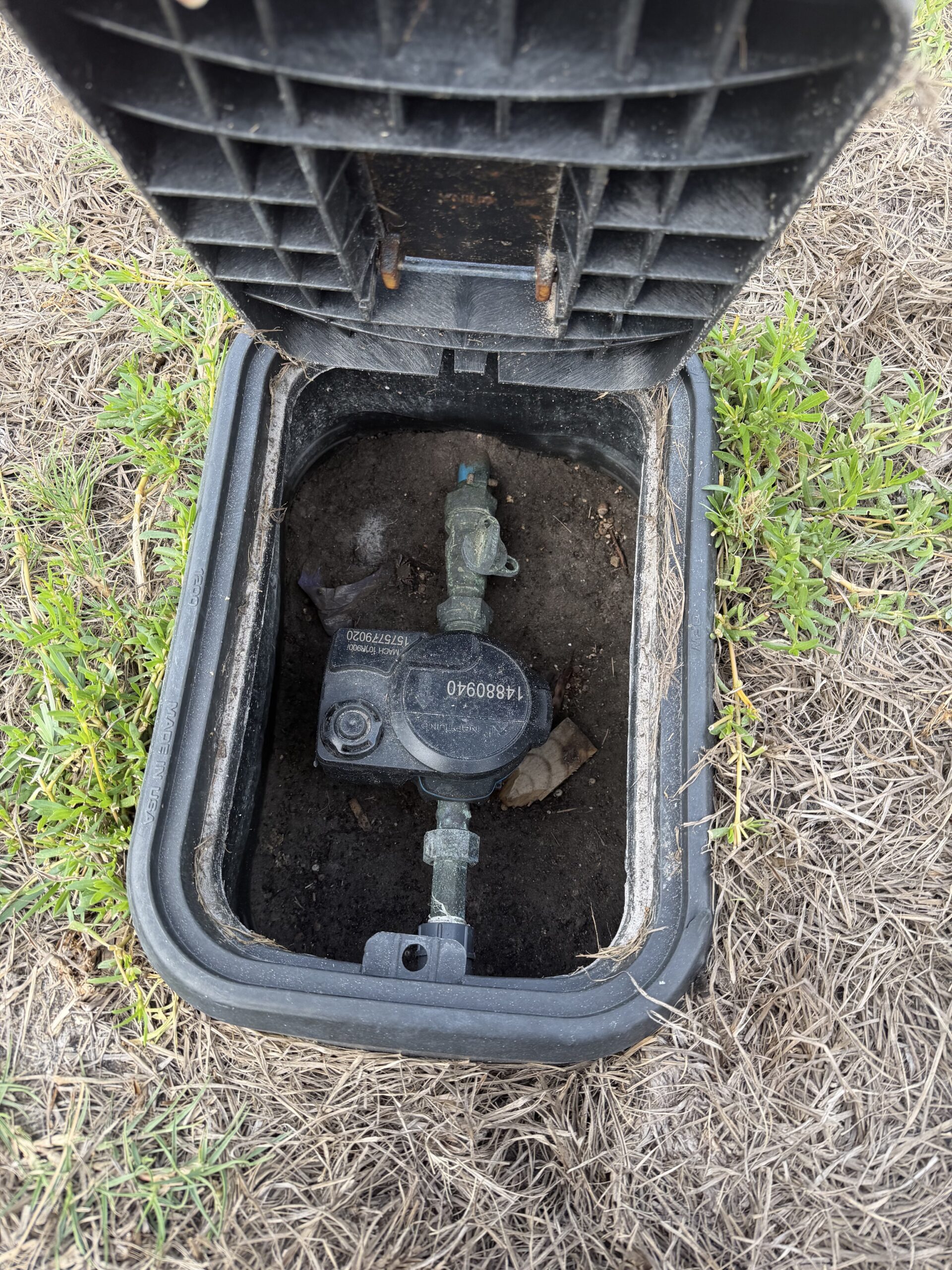
Putting water data back in residents’ hands. -COURTESY PHOTO
A seasonal resident reviews water consumption from hundreds of miles away and confirms that usage remains stable. A full-time homeowner examines detailed historical data to better understand fluctuations in a recent bill. A property owner identifies irregular consumption patterns early, preventing costly damage from an undetected leak. These scenarios represent a fundamental shift in how Fort Myers Beach residents engage with their utilities, driven by the town’s cellular meter conversion initiative.
For years, residents have raised concerns about limited access to legacy meter information and the inability to easily track water usage. The town’s transition to Neptune cellular meters responds directly to these concerns by restoring visibility, improving accuracy, and delivering meaningful access to consumption data. This initiative is not merely a technological upgrade. It reflects a deliberate effort to improve transparency, operational efficiency, and resident confidence in municipal systems.
Responding to a documented community need
Access to utility data has become an essential component of modern governance. Yet traditional metering systems have increasingly constrained both residents and municipalities, offering limited historical insight and delayed information. In Fort Myers Beach, residents have expressed difficulty accessing past usage records, monitoring properties during seasonal absences, and identifying abnormal consumption before it escalates into financial or structural consequences.
The Neptune cellular metering system addresses these gaps by enabling secure, digital transmission of water usage data. Once installed, residents gain access to backdated consumption information, allowing them to analyze trends over time rather than relying on static billing snapshots. This level of access provides a clearer understanding of individual usage patterns and creates opportunities for more informed decision-making.
For the town’s seasonal population, particularly snowbirds who spend extended periods away from the island, the ability to monitor water usage remotely represents a meaningful improvement in property oversight. Even in their absence, residents retain insight into their homes, strengthening accountability and peace of mind.
From data collection to operational insight
The transition to cellular metering allows the Town to move beyond delayed and fragmented data collection methods. Instead of relying on walk-by or drive-by readings, the system delivers consistent, accurate information that supports both individual transparency and system-wide analysis.
For residents, this translates into timely access to consumption data and greater clarity around billing. For the Town, it enables earlier detection of irregularities, improved resource allocation, and more precise system monitoring. The integration of intelligent software with advanced metering infrastructure ensures that information is not only collected but meaningfully applied to daily operations and long-term planning.
This shift strengthens the Town’s capacity to respond to changing consumption trends while maintaining efficient and cost-conscious service delivery.
The importance of meter-level technology
The effectiveness of any advanced metering system depends on the reliability of the meter itself. Neptune meters are designed to operate as intelligent components within a broader network, with each unit undergoing rigorous accuracy testing prior to deployment. The technology follows a build-on approach rather than a full replacement model, allowing Fort Myers Beach to protect prior infrastructure investments while expanding capabilities incrementally.
This flexibility supports a measured transition timeline, reduces operational disruption, and enables the Town to adapt as system needs evolve. Rather than creating new administrative burdens, the metering infrastructure supports leaner processes and more efficient issue resolution.
By prioritizing meter-level performance, the Town ensures that the data residents receive is both accurate and actionable.
A solution adapted to Fort Myers Beach
The cellular meter conversion reflects a targeted approach shaped by the Town’s geographic and demographic realities. As a barrier island community with a significant seasonal population, Fort Myers Beach requires infrastructure that strikes a balance between reliability and cost control.
Through this initiative, residents benefit from digital access to detailed water usage data, improved oversight of properties during periods of absence, and greater confidence in the accuracy of utility information. Simultaneously, the Town strengthens its ability to manage resources efficiently and plan for future demand.
This initiative underscores a broader principle guiding the Town’s operations. Technology is most effective when it is adaptable, resident-focused, and aligned with long-term fiscal responsibility.
Advancing smart and transparent governance
The cellular meter conversion is one component of Fort Myers Beach’s ongoing effort to modernize municipal systems through thoughtful adoption of technology. Across departments, the Town continues to evaluate solutions that improve efficiency, reduce avoidable costs, and enhance service delivery.
By responding directly to resident concerns and implementing proven, flexible infrastructure, Fort Myers Beach is reinforcing transparency and accountability in everyday governance. As installation progresses, the Town remains committed to resident education, clear communication, and continuous evaluation of system performance.
With each meter installed, Fort Myers Beach moves toward a utility system that is more responsive, more transparent, and better aligned with the expectations of a modern community. The result is not simply improved technology, but a stronger relationship between residents and the services they rely on every day.