
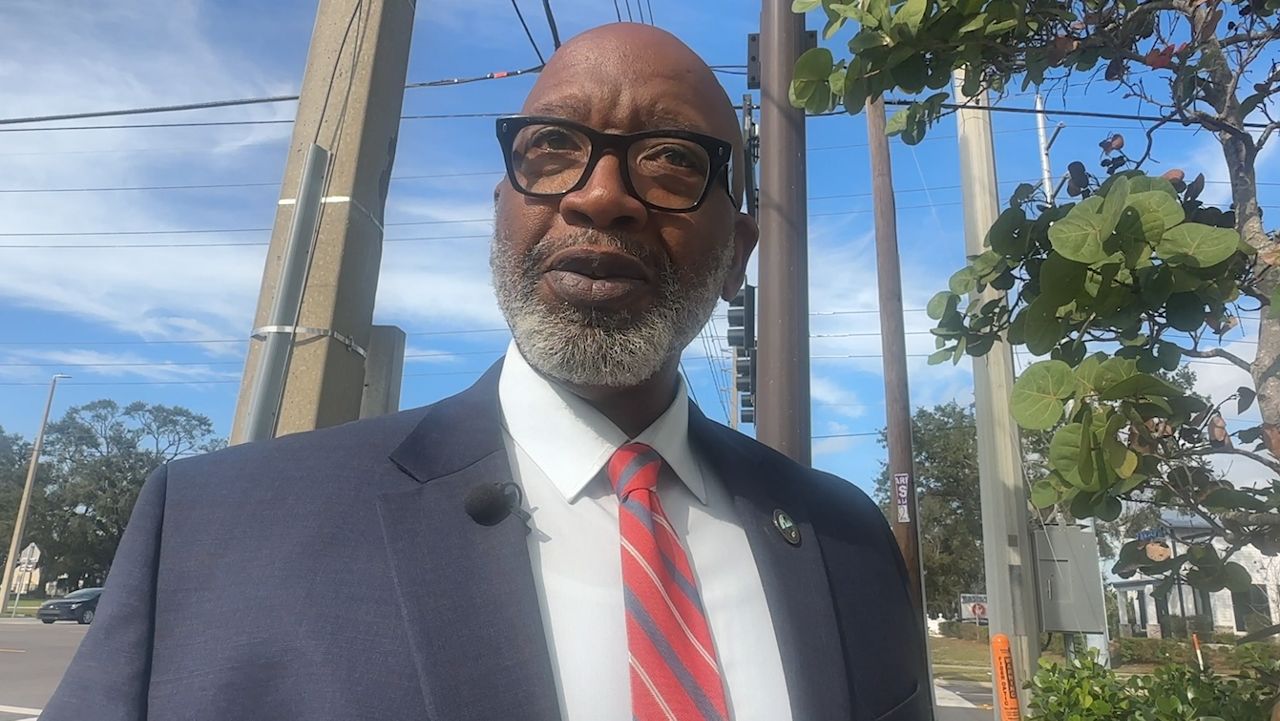
ST. PETERSBURG, Fla. — St. Petersburg Mayor Ken Welch says his administration is taking a new, community-focused approach to redeveloping the Historic Gas Plant District, as housing advocates and residents raise concerns about transparency, timing and who ultimately benefits from the project.
What You Need To Know
St. Petersburg Mayor Ken Welch is defending his approach to redeveloping the Historic Gas Plant District, saying it puts long-time residents and equity first
Some community advocates argue the city should slow down the process
Mayor Welch says his administration is focused on ensuring the redevelopment honors long-standing promises made to the displaced community, including affordable housing, jobs, and opportunities for minority-owned businesses
The deadline to submit alternative proposals for the Historic Gas Plant District redevelopment is Feb. 3
The 86-acre site, located just west of downtown, was once a thriving Black neighborhood before residents were displaced decades ago to make way for interstate construction and what is now Tropicana Field. After the city recently regained control of the land following the termination of a previous redevelopment agreement tied to the Tampa Bay Rays, officials are once again considering proposals for its future.
Some community advocates argue the city should slow down the process.
William Kilgore with the St. Pete Tenants Union says redevelopment decisions should not be rushed, even as political and economic pressure builds.
“Is it exhausting? Yeah, it is,” Kilgore said. “But we can’t rush into things. We have to do it right… not because there’s a reelection campaign coming up or moneyed interests pushing to get shovels in the ground.”
Kilgore also described the land as one of the city’s most valuable assets and said residents deserve to see direct benefits.
“We need to have robust public participation. These acres of land — this is an invaluable asset,” he said. “We need to be seeing a return to the people of St. Pete, not just giving it away to rich billionaire developers.”
Welch says his administration is focused on ensuring the redevelopment honors long-standing promises made to the displaced community, including affordable housing, jobs and opportunities for minority-owned businesses.
“We know what folks want to see out of that — the original promises being honored,” Welch said. “Jobs and economic opportunity, particularly for minority businesses.”
Welch emphasized that the project is no longer being framed around the baseball stadium.
“It’s not the Tropicana Field redevelopment,” he said. “It’s the Historic Gas Plant redevelopment and all the things that entails.”
The mayor also pointed to the city’s renewed control of the property as a major shift.
“We now have the land back in the city’s possession — something we haven’t had for 25-plus years,” he said, adding that new proposals include increased affordable and workforce housing and a 40% minority participation target.
City leaders say negotiations with developers and community engagement efforts will continue in the months ahead.
Advocates, however, say they will keep pushing for legally binding guarantees to ensure long-time residents and future generations benefit from one of the most significant redevelopment projects in St. Petersburg’s history.
The deadline to submit alternative proposals for the Historic Gas Plant District redevelopment is Feb. 3.