
Carmen Funez thought it was just another step in her immigration process. But this time, something felt off.
While she was waiting in line for a fingerprint appointment at an immigration office in Tampa, she was called forward and taken first. She was led into a private room. She was asked questions about her personal life in front of a video camera.
“It is something wrong?” she asked.
No one answered.
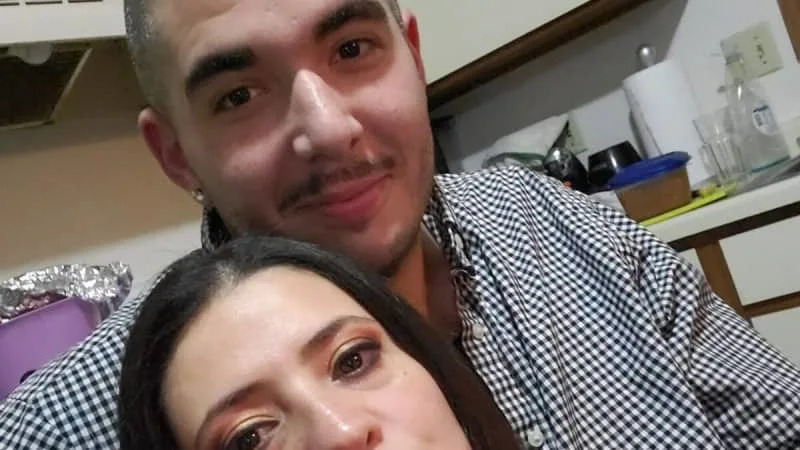
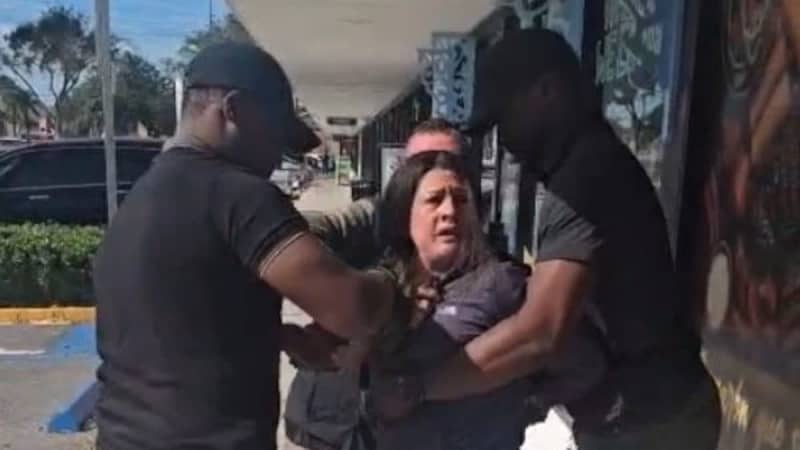
Funez, 42, was arrested after the appointment at the U.S. Citizenship and Immigration Services Application Support Center in a shopping mall on Gunn Highway. A week later, she was deported to Honduras, a country she left nearly 12 years ago after crossing the border with her son Ángel, who is now 14.
“They grabbed me like people do when they kidnap someone,” Funez told the Tampa Bay Times via WhatsApp from San Pedro Sula, where she is living with a sister. “I panicked. There are parts I forgot out of fear. I can’t remember.”
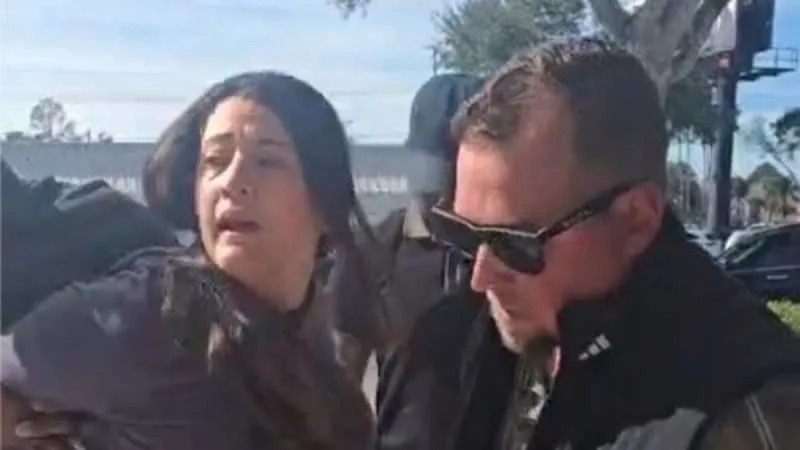
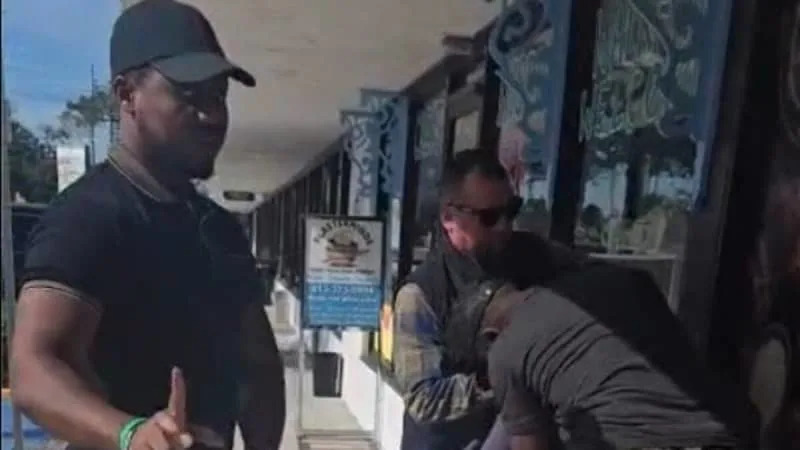
The arrest, which lasted only a few seconds and happened on Jan. 2, might have gone unnoticed if not for a bystanderwho recorded it on a phone. In the video, Funez can be heard screaming for help, confused and disoriented, as three officers grab her arms and try to restrain her.
For about 20 seconds, no one is heard identifying themselves as law enforcement. Only then does one of the men shout, “Stop resisting! Police!”
Funez’s voice changes. “OK, OK,” she says.
Funez’s arrest reflects an increasingly common approach to immigration enforcement that has been denounced by nonprofits, activists and immigration attorneys. They say encounters are becoming more aggressive and violent than ever. Last week, an Immigration and Customs Enforcement officer shot and killed a Minneapolis driver.
Funez has a pending petition that would grant her a green card and permanent legal status, filed through her U.S.-born husband, Dan Pfeffer, 36. She also has an asylum petition and a motion to reopen a removal order after a missed hearing in 2015.
The couple married six years ago after meeting in Wisconsin and bought a home in Gibsonton last August.
Olivia Scott, Funez’s immigration attorney, said she was not given an opportunity to speak with Funez or take any action to defend her after she was detained. According to Scott, agents said they could take Funez into custody because her cases were pending.
“Now the only guarantee is that if you get detained, you will more likely be deported,” Scott said. “I never would have sent my client into a dangerous situation like what she experienced.”
Scott said the officers in the video were with Immigration and Customs Enforcement. A spokesperson for the agency didn’t respond to a request for comment on Funez’s deportation.
The video was first aired by Univision Tampa Bay, but at the time it was unclear who the woman was. Days later, Funez’s husband contacted a Times reporter to identify her and speak out about what happened.
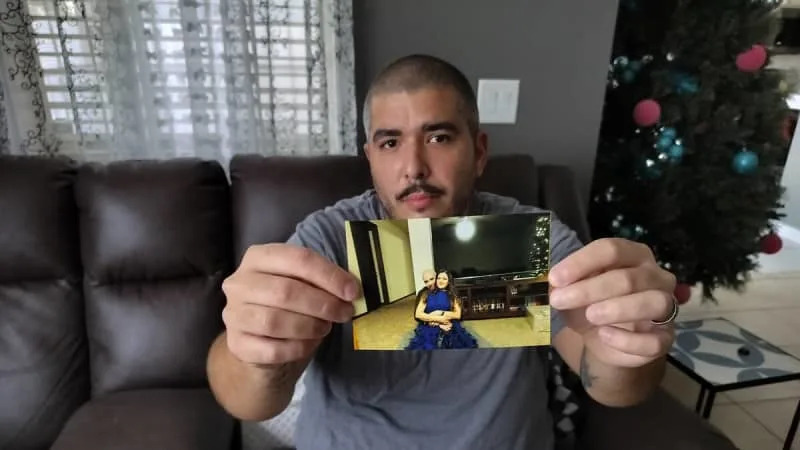
In Gibsonton, Pfeffer said he does not know what to do. For now, his only plan is to make a quick trip to Honduras this weekend to see his wife and try to comfort her.
“It’s hard to have a plan B when you never imagine something like this happening,” Pfeffer said. “I wouldn’t mind moving to Honduras, but I don’t know how I would work, how we would support everyone there.”
Pfeffer said his wife was trying to follow the process.
“They already had everything in the system,” he said. “This appointment felt like an excuse to arrest and deport her.”
Despite the pain and family separation, Funez said she is grateful she was alone when immigration agents arrested her. It would have been worse if her son had been there, she said, to see her detained “like a criminal.”
Funez said she was transferred to Louisiana the same day as her arrest and held in a detention center there until her deportation with a large group of Honduran immigrants, “possibly more than 100 people,” she said.
Funez said she believes U.S. Immigration and Customs Enforcement is also looking for her son, because they asked where he was.
“They did not care that he is a minor and that he has done nothing wrong,” Funez said.
Funez’s son is not protected under the Deferred Action for Childhood Arrivals program, an executive action signed by former President Barack Obama in 2012. To qualify for this program, a person must have lived in the U.S. since 2007 and been in the country when the program began in 2012. Because Funez’s son entered with his mother in 2014, he does not meet those requirements.
Funez’s son wants to stay in the United States because “it’s the only country he knows,” she said. He tells her every day on the phone that he will wait for her.
“I want a chance to go back to my family,” Funez said. “I never asked the government for help or benefits. I was never a burden.”