
Home » Airline News In America » Las Vegas Unites with Miami, Honolulu, New York City, Orlando, Dallas, Chicago, and More as US Tourism Freefall Continues Till Late 2025: Everything You Need to Know
Published on
January 15, 2026
By: Rana Pratap
Las Vegas is not the only city seeing the effects of the sharp decline in the US tourism sector. Along with Miami, Honolulu, New York City, Orlando, Dallas, Chicago, and a number of other significant locations, the famous entertainment center is experiencing a serious decline in tourism that is not expected to abate until late 2025. The number of foreign visitors is falling, hotel occupancy rates are declining, and the travel industry as a whole is changing due to increased airfares, uncertain economic conditions, and evolving international travel preferences. These cities, which have historically relied heavily on tourism as a source of economic growth, are currently finding it difficult to hold onto their appeal as popular travel destinations. The downturn in international travel has affected every part of the nation, from the renowned Las Vegas Strip to the retail and cultural centers of New York and Chicago. Visa limitations, economic difficulties, and the growing expense of overseas travel are some of the complicated causes of this drop. This article examines these towns’ reactions to the downturn in tourism as well as the prospects for American travel destinations in the face of growing obstacles.
Las Vegas Struggles as US Tourism Freefall Hits Late 2025: Sharp Declines in Visitors and Hotel Occupancy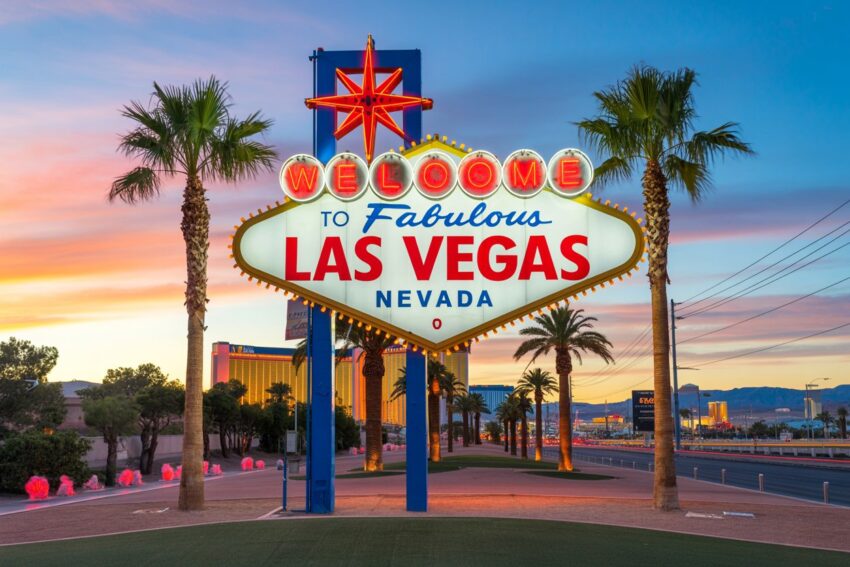
As the U.S. tourism industry grapples with a significant downturn, Las Vegas is one of the hardest-hit destinations. Known globally for its entertainment, casinos, and vibrant nightlife, the city has seen a sharp decline in international tourism throughout late 2025. With international visitors and hotel occupancy rates falling, Las Vegas’ tourism landscape has drastically changed, signaling broader challenges facing major U.S. travel hubs.
Las Vegas has seen a 9.8% decline in international air traffic by late 2025, marking the largest drop among major U.S. cities. The impacts are clear in the tourism metrics: visitor volume in the Las Vegas area saw a 5.2% decrease in November 2025 compared to the same period in 2024, with the number of visitors dropping from 3,313,700 to 3,141,600. In addition, the city’s convention attendance also fell slightly by 0.2%, totaling 547,000 attendees, down from 548,200 the previous year.
The downturn in Las Vegas is most visible in hotel occupancy. For the total occupancy rate in the city, it has dropped from 81.4% last year to 79.4% in November 2025, reflecting a 2% decrease. Even more striking are the occupancy drops in different areas of the city: while weekend occupancy held up relatively better at 88.3%, it still marked a slight dip from 89.1% last year. Midweek occupancy dropped by 1.9%, from 76.9% to 75.0%. More troubling, the downtown Vegas area saw a 3.8% decline in total occupancy, dropping from 70.2% to 66.4%.
The Las Vegas Strip also experienced a 2.3% decrease in total occupancy, going from 84.3% to 82.0%. These occupancy rates suggest a weaker demand for both weekend and midweek stays, especially in areas outside the iconic Strip, which traditionally attracts a high volume of tourists.
Several factors contribute to this sharp decline. The rising costs of travel, exacerbated by economic uncertainties, have made Las Vegas less appealing for international visitors. The recovery from the pandemic, while steady in some areas, has not been sufficient to restore the former demand for luxury accommodations and high-end entertainment, a hallmark of Las Vegas tourism. With rising airfare costs and global economic instability, international travelers are opting for more affordable destinations.
What’s Behind the Decline?
Las Vegas’ challenges are part of a broader trend seen in other U.S. cities like Miami, Honolulu, and Orlando, all experiencing significant declines in international travel. Overall, international travel to the U.S. is down, with an expected 8.2% decline in inbound overnight arrivals for the year. The drops in international visitor volume and convention attendance reflect a global tourism environment marked by softer demand, particularly from traditional source markets in Canada, Europe, and parts of Asia.
For Las Vegas, recovery may take time. Despite efforts to diversify its tourism offerings, such as expanding convention tourism and developing more cost-effective travel packages, the current situation suggests a slow rebound for the city. Las Vegas remains a resilient destination, but until global economic conditions stabilize and international flight prices become more favorable, its tourism sector faces a long road ahead.
Miami’s Global Appeal Dims as International Arrivals Plummet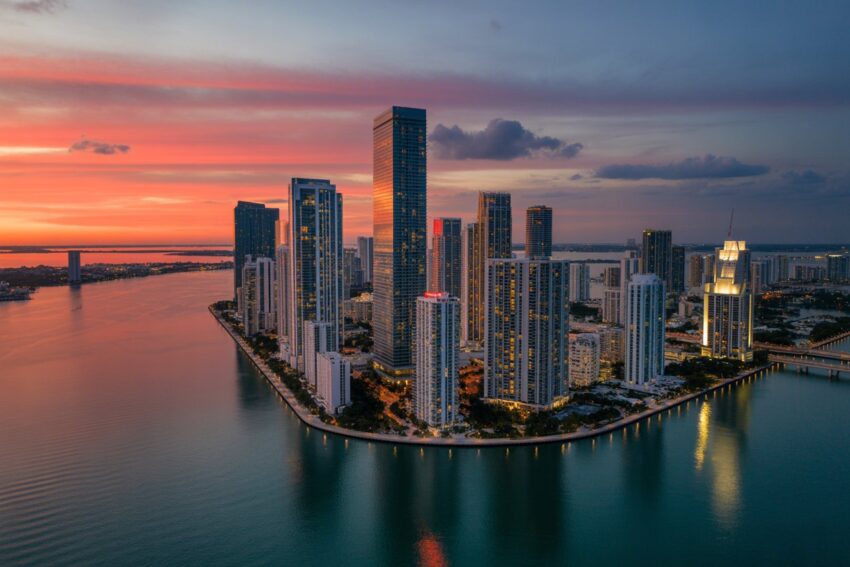
As the U.S. tourism industry faces a major downturn, Miami is feeling the impact more than most. Known for its vibrant nightlife, cultural diversity, and pristine beaches, the city has seen a sharp decline in international tourism throughout late 2025. With international air traffic plummeting and hotel occupancy rates dipping, Miami’s tourism landscape has been altered drastically, revealing the broader challenges that U.S. destinations are grappling with.
The Decline in International Air Traffic
Miami has experienced a 4.5% to 5.0% decline in international air traffic. This marks a significant shift for a city that has long been a key hub for international tourists, particularly from Europe, Latin America, and Canada. With international arrivals dropping, Miami’s tourism sector has felt the effects, especially in areas reliant on long-haul international visitors.
For instance, Western European arrivals to the U.S. fell by 5.5% in November 2025, while visitors from Africa and Oceania saw steeper declines, down by 15.6% and 14.4% respectively. Miami, which draws heavily from these regions, was no exception to this trend, with its international market seeing a marked reduction in overall visitor volume.
Impact on Hotel Occupancy
This decline in international tourism is reflected in the city’s hotel performance. Hotel occupancy rates in Miami experienced a noticeable drop, from 82.3% in November 2024 to 80.2% in November 2025. While domestic tourism has remained somewhat resilient, particularly with leisure travelers, the absence of high-spending international visitors has caused a gap in revenue. International tourists, especially those from Europe and Latin America, tend to stay longer and spend more, meaning their decline has a disproportionate effect on Miami’s hotel industry.
Even in the high season, when demand for hotel rooms typically spikes, the drop in international bookings has been felt. Miami’s luxury hotels, which rely heavily on international visitors, have been particularly hard-hit, as many of the traditional feeder markets have reduced their travel to the U.S. due to a combination of high costs, visa restrictions, and a less welcoming global perception of the country.
Contributing Factors to the Decline
Several factors have contributed to the tourism slowdown in Miami. Rising airfare prices, coupled with global economic uncertainty, have made international travel to the U.S. less appealing. The strengthening of visa policies and increased costs associated with entering the U.S. have also deterred many potential visitors. Additionally, the growing perception that the U.S. is an increasingly difficult and expensive destination has played a part in Miami’s struggles.
In Miami’s case, the city is also dealing with softer demand from its traditionally strong markets in Canada and Western Europe. Canada, a major feeder market for Miami, has seen a 24% drop in air arrivals, further exacerbating the tourism slump. This reduction has been most noticeable in the luxury and mid-range travel segments, which are heavily dependent on international tourists.
What’s Behind the Decline?
The decline in international tourism to Miami is part of a larger trend affecting U.S. cities such as New York, Las Vegas, and Orlando. Miami’s tourism industry is facing a collective global slowdown, with a decrease in U.S. international arrivals expected to hit 8.2% for 2025. Major international markets are showing weaker demand due to a combination of factors, including global economic instability, higher travel costs, and shifting perceptions of the U.S. as a travel destination.
Miami’s tourism sector is particularly vulnerable due to its dependence on international travelers for high-end spending. While domestic travel has helped somewhat, the loss of international visitors, especially those from high-spending markets like the UK and Brazil, is noticeable. The city is slowly shifting its focus to domestic leisure tourists, but these travelers typically spend less, making it difficult to fully offset the revenue loss from international markets.
Honolulu Hit Hard by Tourism Downturn as Overseas Visitors Fade
As the U.S. tourism industry faces a broader decline, Honolulu, the jewel of Hawaii, has also been caught in the downward trend. Known for its stunning beaches, rich cultural heritage, and unique charm, Honolulu has seen a noticeable dip in international visitors throughout late 2025. With key markets faltering, the city’s tourism sector is now grappling with both declining air traffic and softer demand for hotel rooms, underscoring the far-reaching effects of a global travel slowdown.
Decline in International Air Traffic
Honolulu saw a 3.8% drop in international air arrivals, marking a worrying trend for a city that heavily relies on international visitors. While Hawaii remains a dream destination for many, the downturn in international tourism has been felt acutely in Honolulu, particularly due to the delayed recovery of Asian markets, including Japan and South Korea.
The city was expected to see a 3% increase in international visitors in 2025, but this target fell short as key source markets struggled to bounce back. Japan, which has traditionally been a major contributor to Hawaii’s tourism numbers, did not recover to pre-2019 levels, with a slower-than-expected rebound in visitor arrivals. This decline was compounded by broader regional weaknesses in Southeast Asia and Oceania, where international tourists, particularly from Australia, have been less inclined to travel due to increased costs and travel restrictions.
Impact on Hotel Occupancy and Revenue
The decline in international air traffic has translated directly into lower hotel occupancy rates in Honolulu. Occupancy for the city dropped from 81.5% in November 2024 to 79.2% in November 2025, reflecting a 2.3% decrease. This decrease is particularly evident in the luxury segment, which traditionally draws a significant number of high-spending international tourists.
While Honolulu’s hotels have seen some uplift from domestic leisure travelers, the absence of international tourists has had a marked impact on hotel revenues. Long-haul international visitors, especially from Asia, tend to stay longer and spend more, making their absence felt in both hotel bookings and the broader tourism economy. With fewer international guests arriving, the city’s hospitality sector is facing a challenging period, with both occupancy and revenue falling below expectations.
The Growing Cost of Travel and Geopolitical Challenges
Several factors have contributed to Honolulu’s tourism struggles. Rising costs of air travel, particularly long-haul flights from Asia, have made it more difficult for potential visitors to justify the expense of traveling to Hawaii. Combined with rising hotel prices, these increased costs are deterring many international tourists from making the trip. Economic uncertainty, particularly in Asia-Pacific regions, has also played a role, with some countries facing financial strain that has caused potential travelers to reconsider distant vacations.
Geopolitical challenges, including trade tensions and ongoing travel restrictions in the wake of the pandemic, have also contributed to Honolulu’s struggle to regain its international tourism numbers. Additionally, the ongoing “sentiment drag” toward the U.S., fueled by global political and social tensions, has made travelers from key markets feel uncertain about visiting.
What’s Behind the Decline?
Honolulu’s tourism woes are part of a larger trend that is affecting other U.S. cities, including Miami, New York City, and Las Vegas, where international visitor numbers are down. For Honolulu, the significant downturn in Asian tourism has been one of the major contributing factors. With both Japan and South Korea showing slow recovery rates, the city is struggling to recapture its former level of international visitation.
The Hawaiian Islands have long depended on international tourists to drive revenue, particularly from countries like Japan, South Korea, and Australia. As these markets recover more slowly than expected, the economic impact on Honolulu’s tourism sector is pronounced. Without the influx of high-spending international visitors, the local economy faces significant revenue shortfalls, especially in hospitality and retail sectors that rely on foreign tourism.
New York City’s International Tourism Struggles with a Slowdown in 2025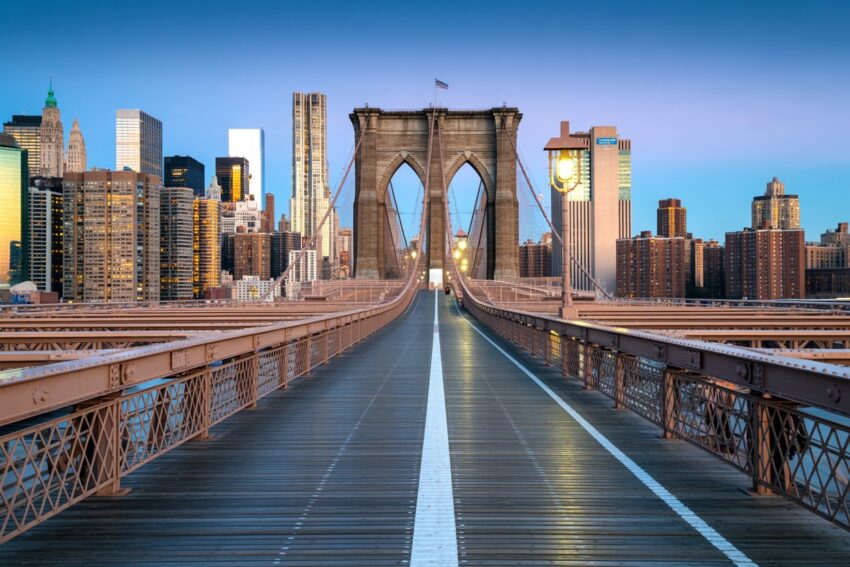
As the U.S. tourism industry continues to grapple with a significant downturn, New York City, the nation’s most visited destination, has been caught in the tourism freefall. Despite its global allure, the city has seen a substantial decline in international visitors throughout late 2025. With key international markets faltering and challenges in maintaining its once-booming hotel occupancy rates, New York City’s tourism sector has faced one of the most pronounced slowdowns of the year.
Decline in International Air Traffic
New York City has experienced a 3.8% drop in international air traffic, signaling a marked decline in the number of overseas travelers. As one of the world’s premier destinations, the drop in international arrivals is especially significant for a city that relies heavily on foreign tourists for both revenue and cultural vibrancy.
The city was projected to receive an influx of international visitors in 2025, but instead, it faced a steady year-on-year decline in international air traffic. For instance, Canadian arrivals saw a 24% drop, and car arrivals decreased by 31% in October alone. These declines were driven by a combination of factors, including rising travel costs, tightened visa requirements, and a general cooling of enthusiasm for U.S. destinations in key international markets such as Canada and Western Europe. This marked the largest drop for New York City in recent years.
Impact on Hotel Occupancy and Revenue
The decline in international air arrivals has translated into a significant decrease in hotel occupancy rates. New York City saw a 2.3% drop in hotel occupancy, from 85.1% in November 2024 to 82.8% in November 2025. Although domestic travel continues to support the city’s hotel market, the reduction in international visitors, particularly those from high-spending markets like Europe and Canada, has been a financial blow.
The city’s luxury and mid-range hotels, which are typically favored by international visitors, have seen a decrease in bookings, contributing to lower-than-expected revenue. International visitors, especially those from Western Europe and Canada, are known for their longer stays and higher spending, making their absence particularly felt in New York City’s hospitality industry. In addition to reduced bookings, hotels have also been forced to adjust their rates to attract domestic visitors, which has impacted their overall revenue generation.
The Rising Costs of Travel and Visa Restrictions
Several factors have contributed to the decline in New York City’s international tourism. The rising costs of air travel, particularly from international markets, have made visiting the U.S. less affordable for many tourists. Higher airfare prices, combined with costly visa application fees and increasingly stringent visa policies, have deterred travelers from long-haul markets, especially those from Western Europe and Canada, who traditionally made up a large portion of New York City’s international visitor base.
Moreover, the tightening of visa processing times and the introduction of new travel security measures have made it more cumbersome and expensive for foreign tourists to visit. This has further dampened the city’s appeal, particularly among those traveling for leisure or cultural tourism, two segments that have traditionally been mainstays for New York City.
What’s Behind the Decline?
New York City’s tourism struggles are part of a larger trend affecting other major U.S. cities like Las Vegas, Miami, and Honolulu. The decline in international tourism has been felt across the country, particularly in cities that depend heavily on foreign visitors. While domestic tourism has remained resilient in some areas, it has not been enough to fully offset the losses in international travel.
For New York City, the key factors behind the decline are rising costs, visa complications, and the broader global perception of the U.S. As visa integrity requirements have tightened and international flight prices have soared, many would-be visitors have turned to more affordable and less complicated destinations. Additionally, political uncertainty and international tensions have contributed to a declining sentiment towards the U.S. as a destination, especially among travelers from countries like Canada, the UK, and parts of Europe.
Orlando’s Theme Park Magic Diminishes as International Travel Weakens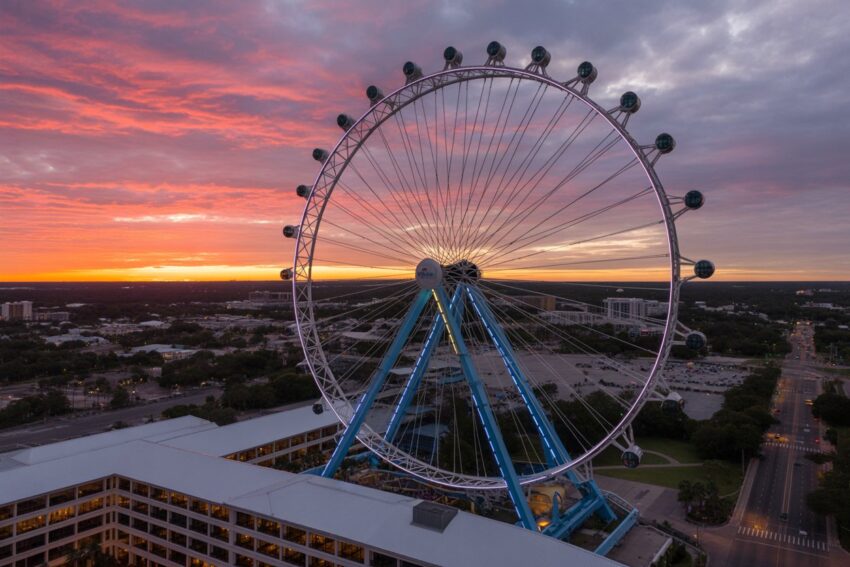
As the U.S. tourism industry grapples with a significant downturn, Orlando, Florida—a city known for its world-renowned theme parks and family-friendly attractions—is not immune to the tourism freefall. The city has experienced a noticeable decline in international visitation throughout late 2025, especially as international family travel, a core segment for Orlando, has taken a hit. This has affected hotel occupancy rates and revenue, with a sharp reduction in the number of international visitors flocking to the city’s famous attractions.
Decline in International Air Traffic
Orlando saw a decline of 3.8% to 5.0% in international air traffic. The downturn in international visitors has been particularly impactful for the city, as Orlando’s economy heavily relies on theme park tourism. This decline is linked to broader trends in international travel, including higher airfare costs and a reduction in long-haul family vacations to the U.S. The city was initially expecting growth in international tourism, but the continued uncertainty surrounding global travel has dampened expectations.
Family tourism, which accounts for a significant portion of Orlando’s international market, particularly from the UK, Brazil, and Canada, has experienced a notable softening. Families who typically stay longer and spend more, especially during peak vacation periods, have been deterred by rising travel costs and visa restrictions, contributing to the decline in overall visitor numbers.
Impact on Theme Parks and Hotel Occupancy
The decline in international visitors has had a direct impact on Orlando’s famed theme parks. These attractions, which rely heavily on international tourists, especially families from overseas, have seen a drop in attendance. While domestic travel into Florida has remained resilient, the decrease in international family travel has led to a noticeable revenue gap for the city’s hotels and attractions.
Orlando’s hotel occupancy rates also reflect this downturn. From 84.3% in November 2024, the city’s hotel occupancy dropped to 81.5% in November 2025. This decrease in hotel occupancy is particularly evident in the resort-style accommodations that cater to international visitors. These tourists, who typically stay longer and book premium experiences, are a critical source of revenue for hotels near major theme parks like Walt Disney World and Universal Studios. The decline in this segment has led to challenges in maintaining profitability, with some hotels lowering prices to attract domestic visitors, but at the expense of the city’s overall revenue generation.
The Economic Impact on Local Businesses
Beyond the hotel and theme park industries, the decline in international visitors has also affected local businesses that rely on tourism. Restaurants, retailers, and transportation services that cater to international tourists have reported a drop in foot traffic and sales. For example, restaurants near theme parks that typically serve international families have seen a reduction in reservations, and shopping outlets that cater to foreign buyers have seen lower sales volumes.
The city’s retail sector, particularly those catering to higher-end tourists from markets like the UK and Brazil, has experienced a noticeable dip in spending. With fewer international tourists making the trip to Orlando, the local economy is feeling the effects, leading to concerns about the long-term financial stability of businesses that are reliant on tourist traffic.
What’s Behind the Decline?
The decline in international tourism to Orlando is part of a broader trend affecting U.S. cities, especially those reliant on family tourism. While the rise in domestic travel has cushioned some of the impact, it has not been enough to offset the drop in international visitors. Rising airfare costs, visa issues, and the economic pressures that many international travelers are facing have caused potential visitors to reconsider their vacation plans to the U.S.
Orlando’s heavy reliance on international family tourism, particularly from high-spending markets like the UK, Brazil, and Canada, makes it particularly vulnerable to these shifts. These markets have been severely impacted by increased travel costs, along with economic uncertainties in their home countries. Additionally, visa restrictions have deterred many international tourists, further exacerbating the decline.
Dallas Fort Worth Struggles as Global Travel Decline Hits Key U.S. Hub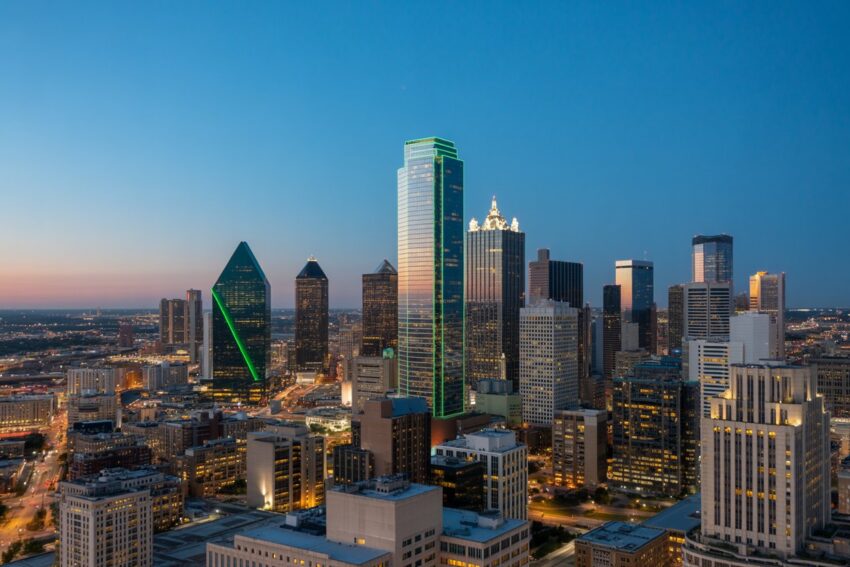
As the U.S. tourism industry faces a significant downturn, Dallas Fort Worth, one of the country’s major international travel hubs, is feeling the effects of the broader decline. The city, known for its connectivity to numerous international markets, has seen a noticeable drop in international visitors throughout late 2025. With fewer long-haul flights and weakened demand for connecting travel, the Dallas Fort Worth area’s tourism sector is struggling, particularly as international visitor traffic declines.
Decline in International Air Traffic
Dallas Fort Worth International Airport (DFW), a key gateway for travelers connecting from overseas, recorded a 2.9% decline in international air traffic by mid-2025, marking a downturn in the city’s tourism numbers. As the sixth-largest decline among major U.S. metros, this drop in international air arrivals is indicative of broader shifts in travel patterns, particularly regarding long-haul flights and connections through U.S. hubs.
Several factors contributed to this decline, including economic uncertainty and changing global travel dynamics. Airlines have reduced their capacity for international flights, cutting back on routes to certain regions due to weakened demand. This reduction in capacity has made it harder for Dallas Fort Worth to maintain its status as a major international transit hub.
Impact on Hotel Occupancy and Local Economy
The decline in international air traffic has had a direct impact on hotel occupancy rates in the Dallas Fort Worth metro area. While the city has benefited from strong domestic business travel, the reduction in international visitors has been felt particularly in hotels that rely on foreign tourists for premium bookings.
By mid-2025, DFW’s hotel occupancy saw a slight dip, with room rates staying flat despite growing competition from other regions. The softening demand for international flights meant fewer international business travelers, which directly impacted corporate bookings and midweek occupancy. Although the recovery of domestic travel has helped mitigate the losses, it has not been enough to offset the revenue gaps caused by a reduction in international visitors.
The city’s tourism sector has also been impacted by decreased revenue from international conventions and events that typically draw a global crowd. As the demand for overseas travel remains subdued, large-scale events held in Dallas Fort Worth have seen fewer international attendees, further exacerbating the economic challenges.
Global Economic Uncertainty and Travel Shifts
Several factors have driven the decline in international traffic to Dallas Fort Worth. Global economic instability has made international travel more expensive, with higher airfares and reduced discretionary spending for travelers abroad. Trade tensions, shifting geopolitical conditions, and the broader economic challenges of 2025 have contributed to a decrease in long-haul travel, particularly from markets like Europe, Asia, and South America.
Additionally, the reduction in international air capacity by airlines has made it more difficult for Dallas Fort Worth to maintain the same level of connectivity it once had. While the airport still plays a crucial role in connecting international travelers to the U.S., it is facing challenges as travelers opt for more direct routes or less expensive destinations that have seen less disruption.
What’s Behind the Decline?
The decline in international tourism to Dallas Fort Worth is part of a larger trend affecting many U.S. cities. While domestic travel has remained resilient, especially for business and leisure travel, it has not been sufficient to offset the losses in international travel. Global economic uncertainty, trade tensions, and rising travel costs have caused international visitors to reconsider traveling to the U.S., particularly to major hubs like Dallas Fort Worth.
The airport’s role as a key hub for international connecting flights makes it especially vulnerable to shifts in long-haul travel. With fewer international flights and a decrease in business travel, Dallas Fort Worth has faced significant losses in its tourism revenue. As airlines continue to adjust their routes and reduce capacity, the city will need to find ways to adapt to the evolving travel landscape.
Chicago’s Tourism Takes a Hit as International Traffic Slows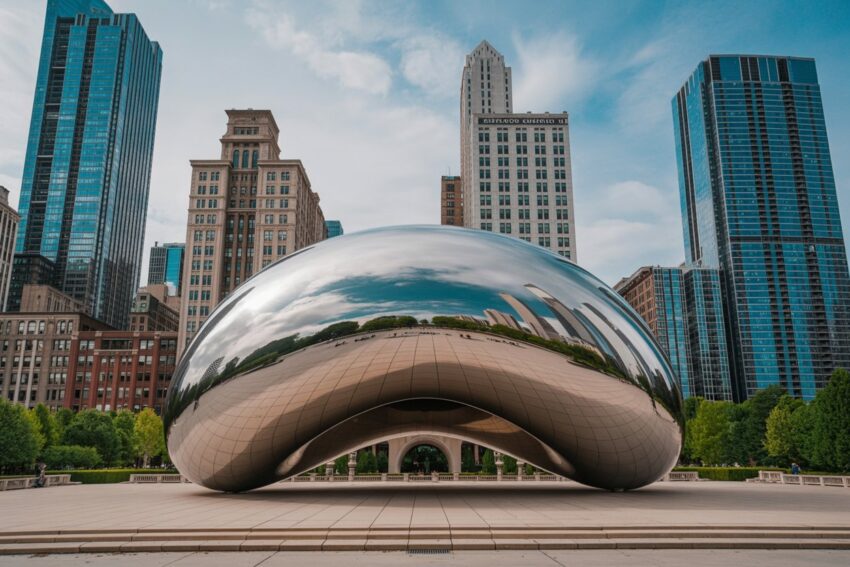
Chicago, one of the U.S.’s most iconic cities, has not been spared from the ongoing tourism downturn. Known for its rich cultural history, world-class architecture, and vibrant food scene, the city has seen a sharp decline in international visitors throughout late 2025. As key international markets weaken and the cost of travel increases, Chicago’s tourism industry is facing serious challenges. The drop in international arrivals has had a significant impact on hotel occupancy rates and local businesses, highlighting the broader struggles facing U.S. travel hubs in the current climate.
Decline in International Air Traffic
By late 2025, Chicago saw a 2.3% drop in international air traffic, with fewer overseas travelers choosing the city as their destination. While Chicago typically draws a large number of international tourists, particularly from Europe and Asia, 2025 saw a steady decline in foreign visitors. This decline was exacerbated by a reduction in flight capacity from key international airlines, particularly those serving markets in Europe, Asia, and Oceania.
The decline in international air traffic has been particularly troubling for Chicago, as the city’s tourism industry depends heavily on visitors from overseas. European markets, which have traditionally been a major source of international visitors to Chicago, experienced weaker demand due to economic uncertainty and rising airfare costs. The city also faced a decline in travelers from Asia, where high costs and travel restrictions have dampened enthusiasm for visiting the U.S.
Impact on Hotel Occupancy and Revenue
Chicago’s hotel industry has also been affected by the downturn in international tourism. In November 2025, the city saw a decline in hotel occupancy from 82.9% in 2024 to 80.5% in 2025, reflecting the decrease in international visitors. The impact has been particularly pronounced in luxury hotels and those near key tourist attractions such as Millennium Park, Navy Pier, and the Magnificent Mile.
While domestic travel has helped to offset some of the losses, international visitors are vital for Chicago’s high-end hospitality sector. These tourists tend to stay longer and spend more, particularly in luxury hotels, restaurants, and cultural experiences. With fewer international visitors, the city’s tourism sector has faced revenue gaps, and hotels have had to adjust their pricing strategies to attract domestic travelers, which has not fully compensated for the loss of international business.
Rising Costs and Global Travel Sentiment
The decline in Chicago’s tourism is not solely attributed to weaker international demand but also to broader global trends. Rising airfare prices, higher hotel rates, and economic uncertainty have made the U.S. a less appealing destination for many international tourists. In particular, travelers from Europe and Asia have found it increasingly difficult to justify the cost of traveling to Chicago, given the current economic climate and rising prices across the board.
Additionally, the perception of the U.S. as a more complicated and less welcoming destination has affected Chicago’s tourism numbers. Increased visa restrictions, security checks, and a more politically charged environment have made international travelers hesitant to visit. Combined with the rising costs of travel, these factors have deterred many potential visitors from making Chicago their destination of choice.
What’s Behind the Decline?
Chicago’s tourism struggles reflect a broader trend seen in other U.S. cities, where international visitor numbers are down due to rising costs and global economic challenges. For Chicago, the decline has been particularly sharp among European and Asian markets, where rising airfare prices, stricter visa policies, and growing uncertainty have led many to seek more affordable destinations.
In addition to these external factors, the city’s reliance on international tourism for high-spending visitors has left it vulnerable. International tourists typically make up a significant portion of the city’s hospitality and retail revenue, and their absence has created a substantial gap in the local economy. Despite a steady recovery in domestic travel, the drop in international visitors has been difficult to overcome for a city that relies on global tourism to fuel its economy.
Las Vegas, along with Miami, Honolulu, New York City, Orlando, Dallas, Chicago, and more, is facing a severe tourism freefall through late 2025. Rising costs, economic uncertainty, and global travel shifts are behind this dramatic decline.
In conclusion, Las Vegas, alongside Miami, Honolulu, New York City, Orlando, Dallas, Chicago, and other major U.S. destinations, is grappling with a tourism freefall that is expected to last until late 2025. This downturn is driven by a combination of rising travel costs, economic uncertainty, and a shift in global travel patterns. While these cities are working hard to adapt and recover, the ongoing challenges highlight the fragility of the tourism sector in the face of changing global conditions. The impact of this tourism slump will continue to reverberate across the U.S., affecting not only the hospitality and entertainment industries but also the broader economy. As international travelers reconsider their U.S. travel plans, cities like Las Vegas, Miami, and others will need to rethink their strategies to remain competitive in an increasingly expensive and uncertain world.
