
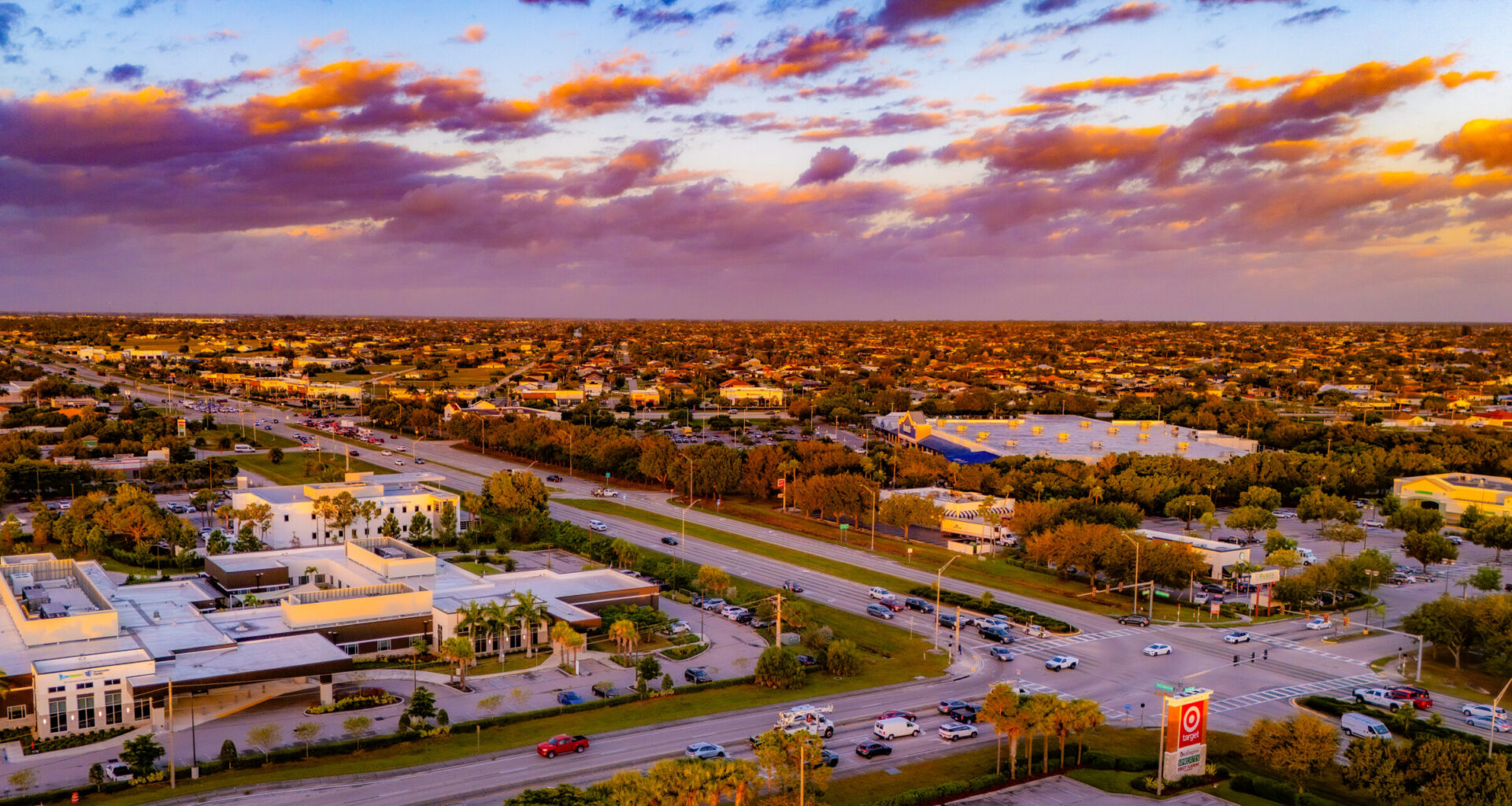
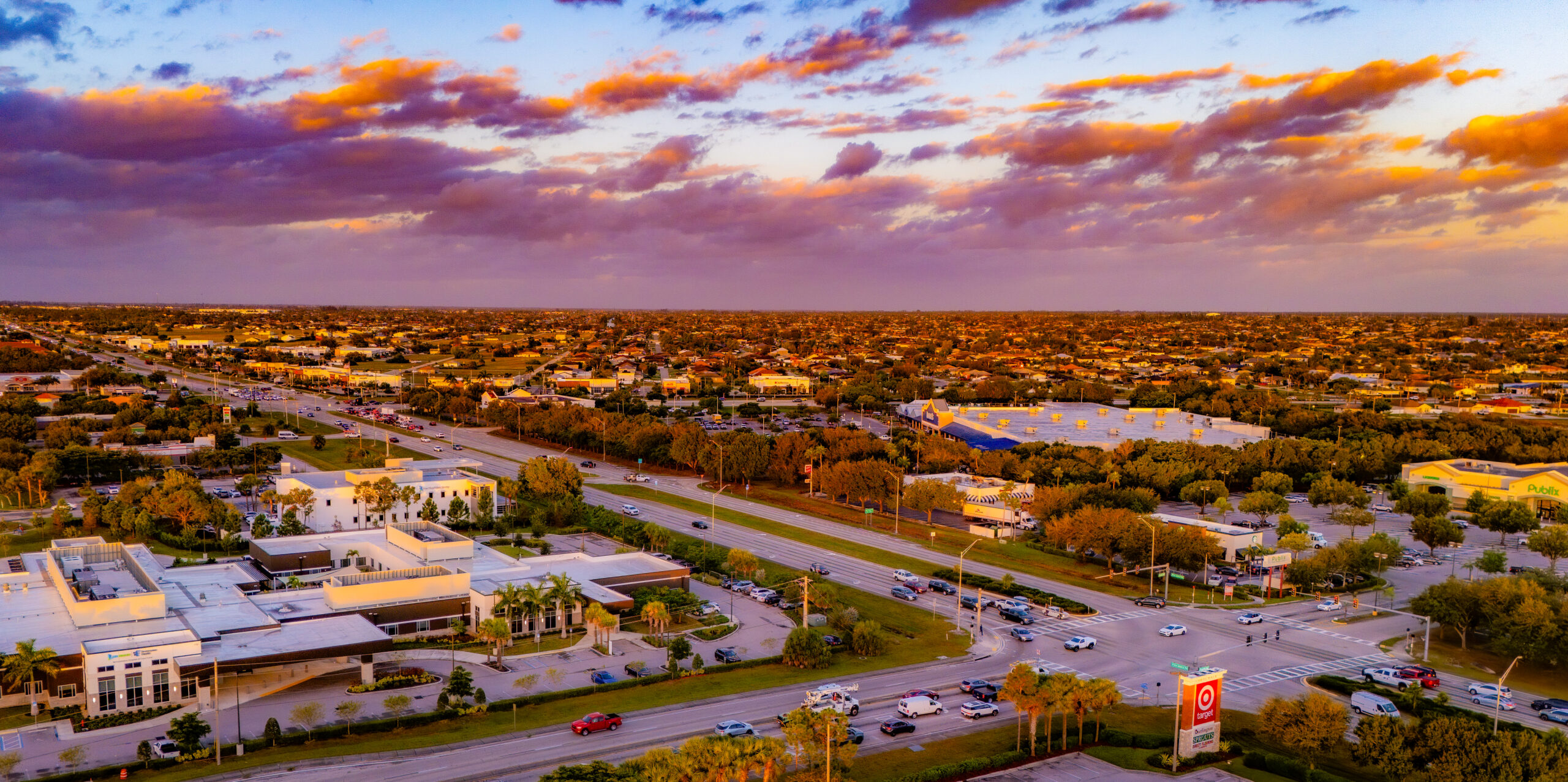
Cape Coral continues to expand with several projects underway entering 2026. -COURTESY PHOTO
Cape Coral is stepping into one of the most transformative periods in its history, with 2026 marking the beginning of a construction and growth wave that will reshape how residents live, work and play across the city. Nowhere is this more evident than in North Cape Coral, where new neighborhoods, jobs and destinations are rapidly turning plans into reality.
North of Pine Island Road is poised to become Cape Coral’s next major population and activity center. According to the city’s 2023 Interactive Growth Model, nearly 75% of projected growth through 2040—more than 17,000 new homes and about 46,000 new residents—will occur in this area. This concentration of growth means new schools, roads, parks and services will increasingly focus on the north, shifting the city’s center of gravity over the next decade.
For current residents, that growth brings both convenience and change. New commercial centers will reduce the need to drive long distances for shopping or dining, while increased traffic and construction will require patience and planning.
Hudson Creek: A mixed-use community takes shape
One of the most significant projects leading this wave is the long-anticipated Hudson Creek development along Burnt Store Road. The 1,745-acre mixed-use community will blend homes, offices, retail, and hotel space, creating a self-contained district where people can live, work and stay. New utilities expected by 2027 will unlock the area for even more development, turning what is now largely undeveloped land into a new urban hub.
The city also owns about 300 acres nearby and is actively working to attract employers in medical, professional services, and light industrial sectors. This strategy aims to bring high-quality jobs closer, reducing commutes out of the city and supporting a stronger local economy.
Seven Islands: A signature waterfront destination
On Old Burnt Store Road, the Seven Islands waterfront project is moving forward after years of anticipation. City Council has approved a sale agreement, with closing expected in February 2026, clearing a key hurdle to making the vision a reality. The plan calls for a mix of residential, retail, hotel, and recreation features designed to create a signature waterfront destination in the Northwest.
For residents, Seven Islands promises more public waterfront access, dining with a view, and a walkable environment. It will also likely become a regional draw, bringing visitors and new businesses.
Coral Grove and Pine Island Road’s commercial boom
Pine Island Road has already emerged as North Cape Coral’s main commercial spine, and 2026 will accelerate that role. Infrastructure work is set to begin in early 2026 on Coral Grove, a 131-acre mixed-use center featuring apartments, a hotel and a lively mix of retail and dining options.
Jobs, brands and everyday convenience
Beyond the large mixed-use projects, several high-profile employers and brands are anchoring Cape Coral’s growth story. Bones Coffee is building a new $27 million, 20,000‑square‑foot headquarters along Pine Island Road, scheduled to add 55 jobs and an experiential retail space by the end of 2026. This type of destination business can attract visitors, support local suppliers, and reinforce the city’s emerging identity as more than a bedroom community.
A new Walmart Supercenter is currently in permitting, bringing expanded retail options and everyday affordability to the area. At the same time, a 112-room Marriott TownePlace Suites hotel is slated to open by summer 2027, adding lodging capacity for visiting families, tourists, and business travelers.
Lifestyle upgrades: Recreation, parks and amenities
The city’s mega projects are not just about commerce and housing; they are also reshaping how residents relax and gather. Jaycee Park, for example, is being redesigned with food trucks, a bandshell, and a waterfront boardwalk and is expected to open in the spring. At Bimini Basin, the $100 million Bimini Square development is scheduled for completion this month, combining medical facilities, apartments and a seafood restaurant into a new waterfront node on Cape Coral Parkway.
Together with the future recreational features planned at Seven Islands, these projects create a network of destinations where residents can enjoy entertainment, dining and outdoor activities without leaving the city. The result is a more complete community—one that offers not only rooftops and retail, but also public spaces and experiences that foster a stronger sense of place.
In 2026, the cranes, crews and construction zones are visible signs of change already underway. When residents, city staff, and community leaders work together—supporting strong infrastructure planning, sharing feedback and embracing new amenities—these mega projects have the potential not only to make Cape Coral bigger, but to truly make it better for generations to come.