
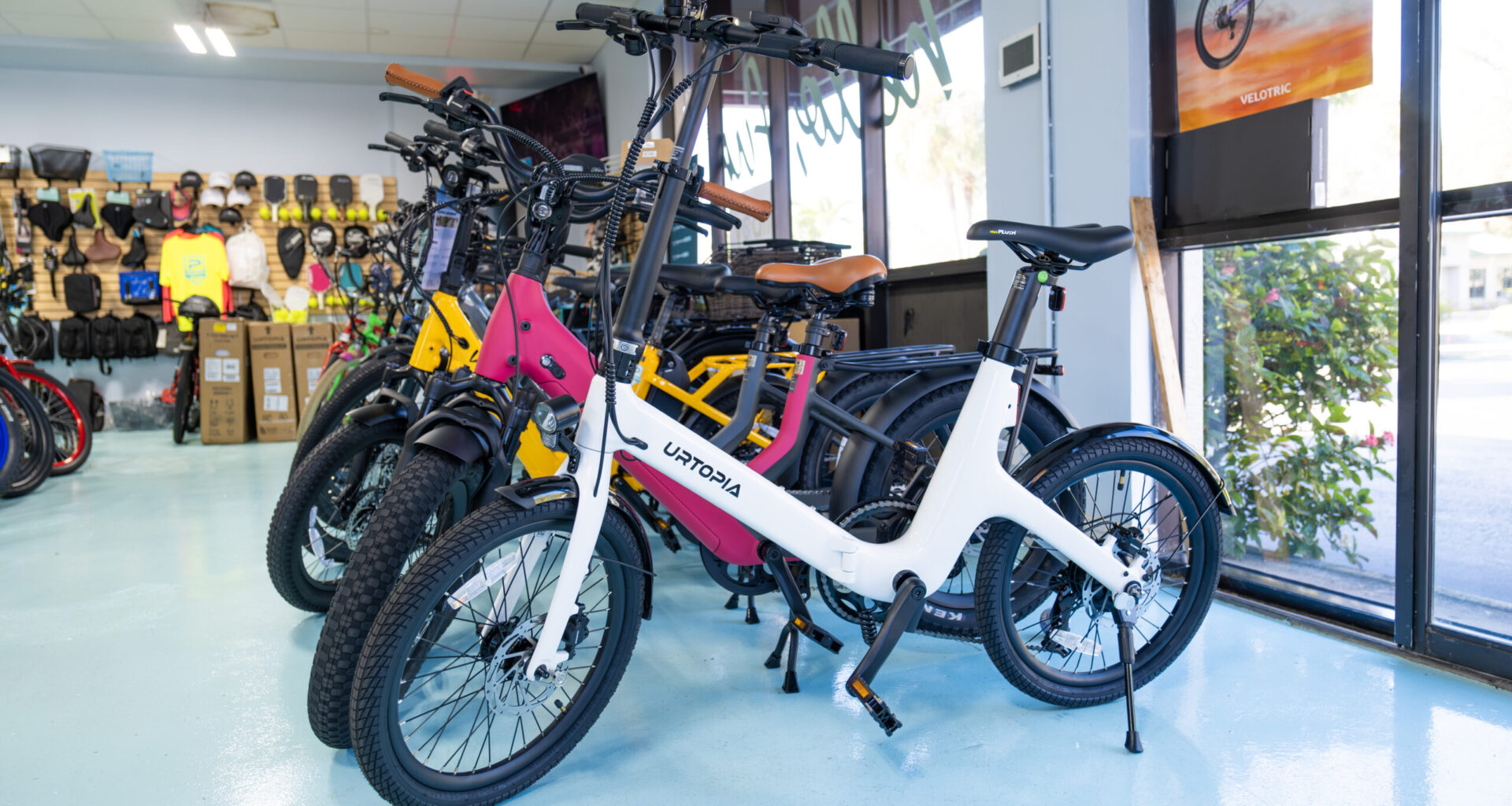
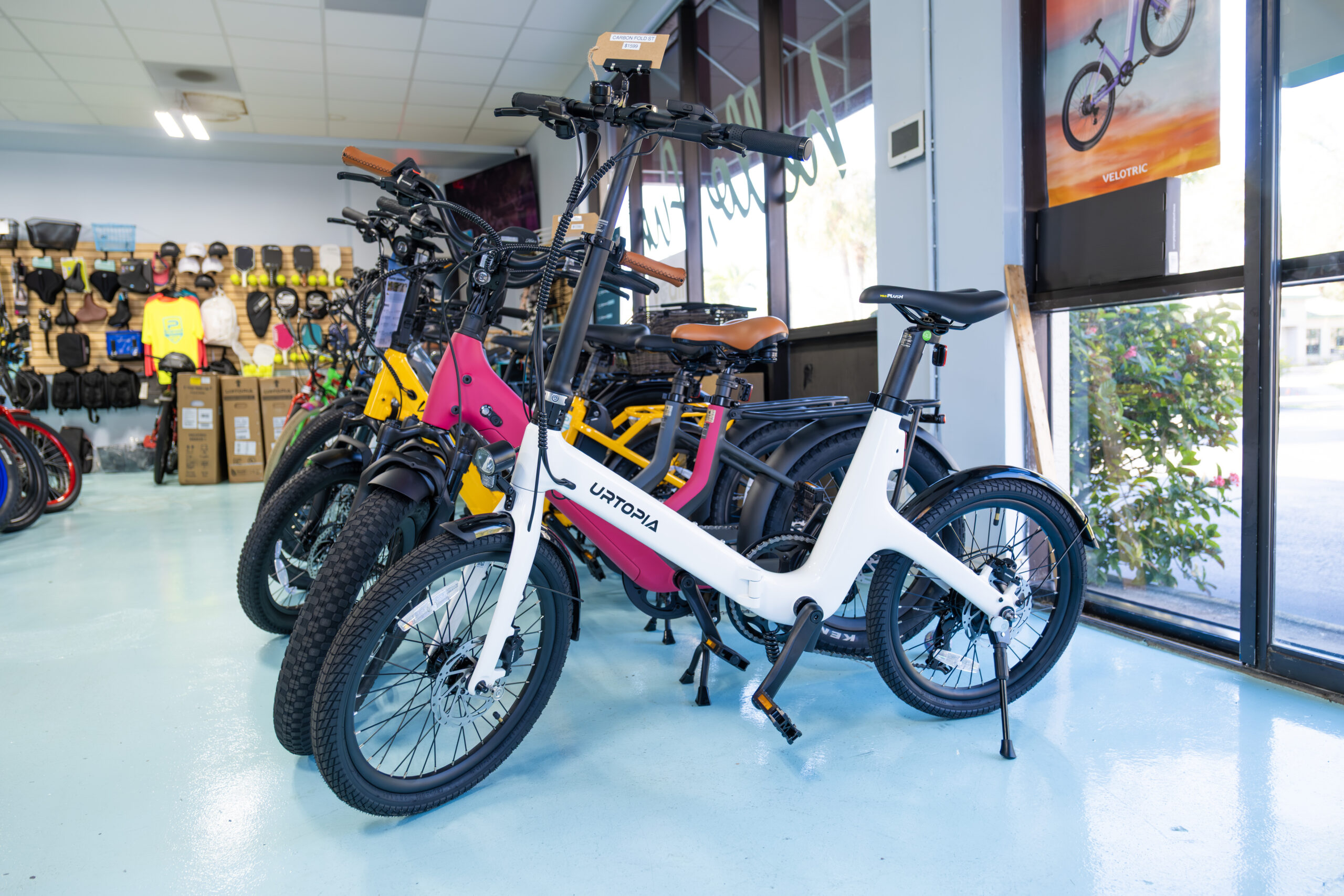
Most e-bike batteries can travel 20-60 miles on a single charge. -DAVID WISHTISCHIN / FLORIDA WEEKLY
In Palm Beach Gardens, police officials got out in front of the holidays in December by posting a reasonable message on a social media page — but not one that people would have seen in years past.
“If you’re planning on purchasing an e-bike this holiday season, it’s important to know the difference between a legal e-bike and an electric motorcycle, since many look alike online. In Palm Beach Gardens, only Class 1 e-bikes, defined as having pedals, a top assisted speed of 20 mph, and a motor of 750 watts or less, are allowed on City roads and sidewalks.”
Class 2 e-bikes “include a little electric throttle — so if you don’t want to pedal, you can use the throttle, but max speed is still 20,” explained Phil Pfäffli, owner of Pedelec SQB Electric Bicycles in Punta Gorda, which he described as “the only multi-brand shop nearby on the Gulf coast,” with about 20 models on the floor alone.
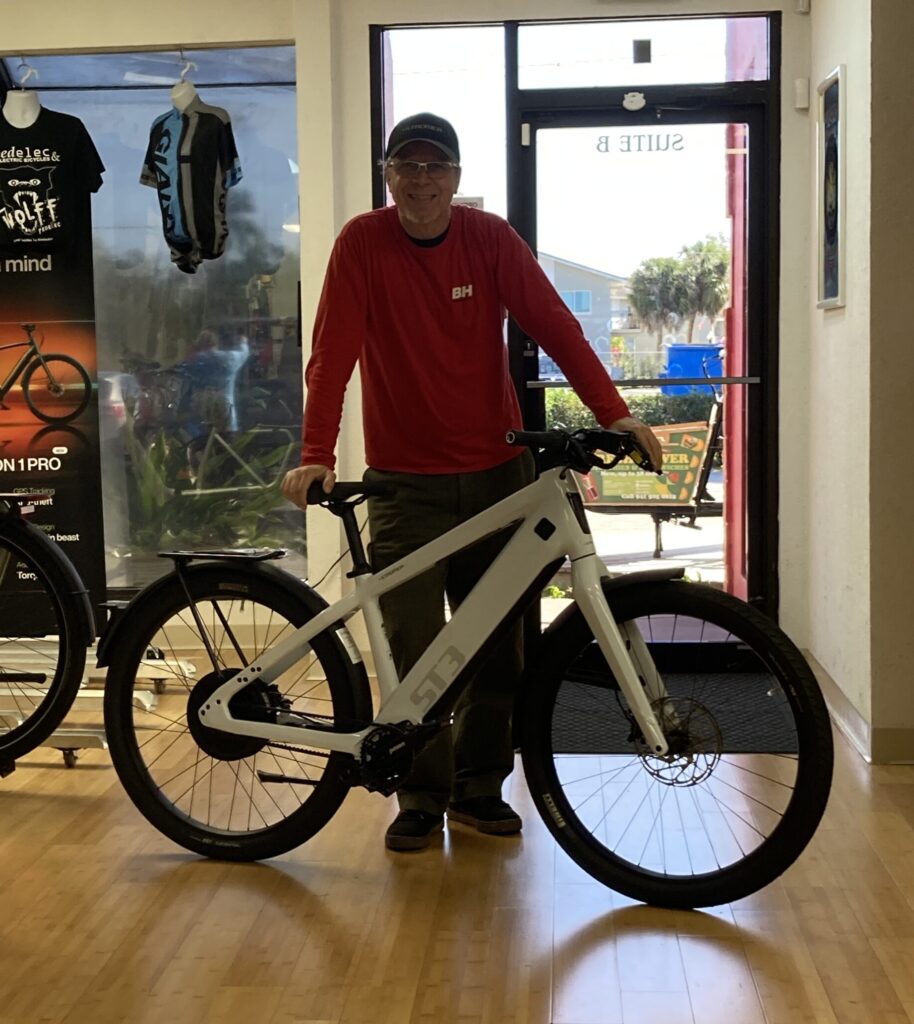
Phil Pfaffli, owner of Pedelec electric bicycles in Punta Gorda, stands beside a Stromer ST3 Sport. -COURTESY PHOTO
Class 3 is different; in some communities, it’s no longer defined as a bicycle.
“They go up to 28 mph,” Pfäffli said, “but commonly they don’t support you up to 28 with the throttle, only up to 20. If you want to go faster, you have to pedal.”
Then come the unclassified, problematic machines that people reconfigure to reach speeds as high as 40 or 50 mph or higher, officials say.
An explosion of interest in e-bikes turned them into a $1.14 billion industry in the United States last year, with a projected growth rate of about 9.4% per year through the next eight years, analysts said.
A wide variety of legal options include e-bikes in the three classifications, ranging from about $1,200 to as high as $14,000, noted Pfäffli.
Rules and warnings like those posted in Palm Beach Gardens have sprouted up recently in communities across Florida for at least two reasons: one, to counter an alarming increase in accidents, injuries and even deaths involving e-bikes, which are powered to varying degrees by electric motors as well as pedals.
Although the state has not previously tracked e-bike accidents as a distinct category, Florida holds the unenviable record of the highest per-capita rate of bicycle accidents and fatalities in the nation, even though that figure has declined slightly in the last couple of years. There were 207 fatalities among the thousands of accidents in 2024, and 185 fatalities in 2025.
And two: New rules have been laid down in individual communities, distinct from one location to another, because no single set of state rules regulates the use of e-bikes — or precisely defines where and under what circumstances the various models become legal or illegal.
As a result, communities are taking it upon themselves to be safer, or to encourage people using any conveyance to be more aware and alert of the increasingly popular machines known as e-bikes.
But state participation in, or control over, regulations for e-bikes—essentially bicycles equipped with both motors and pedals—may soon be coming.
Taking it to the state
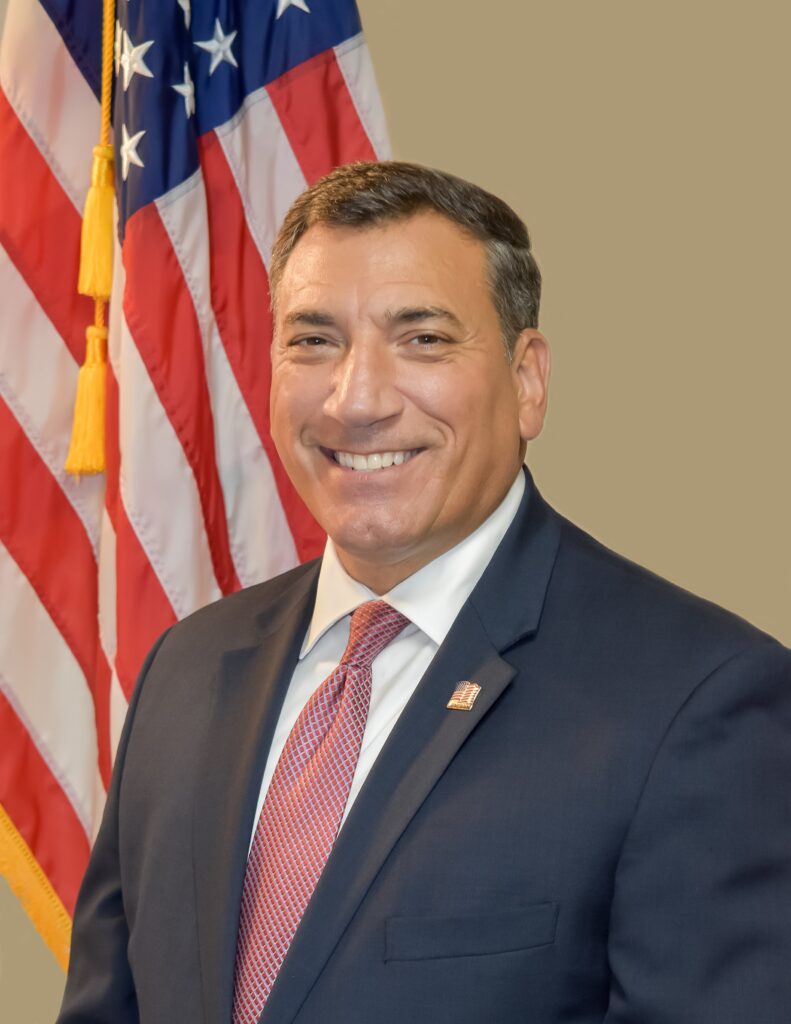
Collier Commissioner Rick LoCastro. -COURTESY PHOTO
Rick LoCastro, a Collier County commissioner, traveled to Tallahassee last week to meet with congressional leaders considering newly proposed state laws to help regulate their use.
“I’m hearing they may create a state task force to look at e-vehicles,” he said, describing proposals that would require licensing and insurance on faster, more powerful e-bikes, along with other requirements.
Bills filed in the House and Senate initially aimed to require a learner’s permit or driver’s license to use Class 3 e-bikes, but the proposed laws have been relaxed a bit, removing those requirements. They still include others favored by safety advocates, however.
If the Legislature passes a version of the new proposals, it could require the state to track e-bike crashes as a category separate from bicycle crashes, and allow authorities to ticket people who fail to slow to 10 mph or less when riding within 50 feet of pedestrians on a sidewalk.
In some communities, e-bikes are banned from sidewalks. But not in others.
Regulating them further than that may not be as easy or as obvious as it sounds.
“I have people say, ‘Tighten up the rules,’ but we have laws against speeding, panhandling and stealing, and the ordinances don’t stop that. So, you have to start somewhere,” LoCastro said.
If nothing else, a new rule is a form of education as well as a tool for enforcement, he added.
He and other county leaders, horrified by a spate of accidents on Marco Island, in Naples and elsewhere, passed a new county ordinance in April.
Now, LoCastro is seeking input from community members on possible modifications.
“The sheriff and the school superintendent did a video introducing it, talking about new rules like helmets and dismounting when riders approach a school, and that was helpful. We don’t want several new fatalities before we do something about it.”
The Palm Beach Gardens police caveat in December takes it a step further for that community: “Anything above those limits (maximum 20 mph and 750 watts, identified as a Class 1 e-bike) is considered a different motorized device and may not be legal in the same areas. Always double-check product details or ask for confirmation before buying to ensure a safe and compliant choice.”
The range of emerging new laws all suggests a significant level of concern from local leaders statewide.
Local laws sprouting up
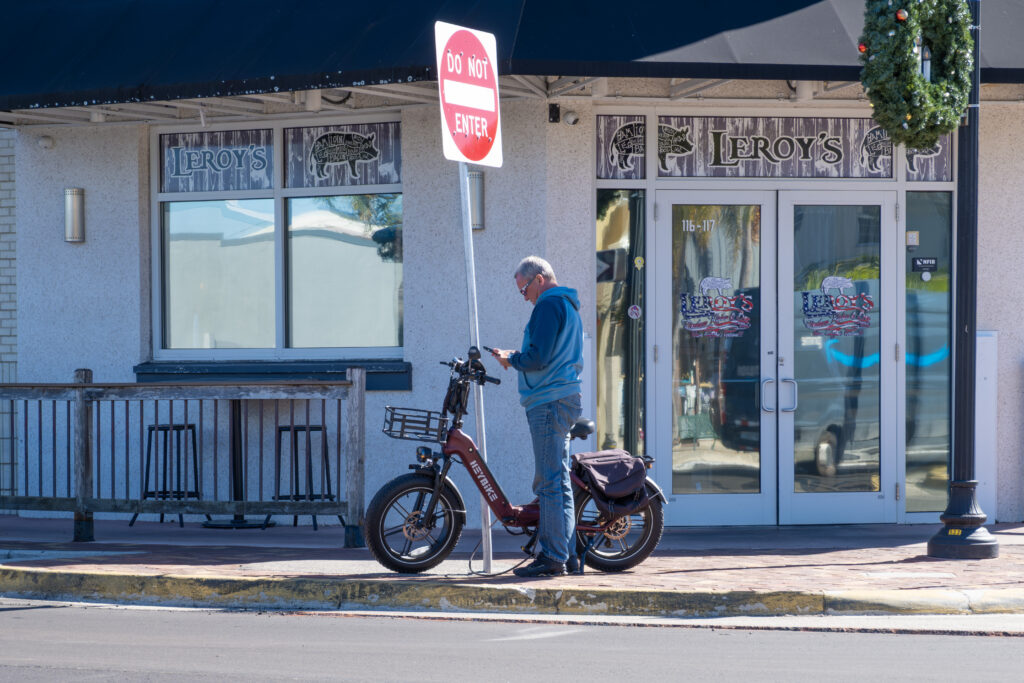
E-bikes have become a regular form of transportation across Florida streets. -DAVID WISHTISCHIN / FLORIDA WEEKLY
In Palm Beach, e-bikes and scooters are banned from sidewalks; in Jupiter, none are allowed on park trails or walks or in fields, and all bicycle regulations include e-bikes.
On Fort Myers Beach, regulations require lights, bells to warn pedestrians, and motors generating no more than 750 watts with speed limited to no more than 28 mph. Last June, the City Council unanimously approved e-bike use on sidewalks.
That can be a relief to many safety advocates, who worry that banning e-bikes from sidewalks puts them in street traffic.
In Cape Coral, none are legal that exceed 750 watts of power or 28 mph.
In Collier County’s unincorporated areas, e-bikes with Class 2 or 3 designations, or those exceeding 20 mph, can’t be used on sidewalks. They’re now confined to roads or bike lanes.
In Charlotte County, a newly proposed ordinance would allow e-bikes on sidewalks but reduce their legal top speed to 15 mph. Night riders would be expected to yield at any crosswalk and observe the same rules as cars on the roads. That would include speed limits and other traffic regulations. And no e-bikes could be used by private owners on greenways or greenbelts.
Additionally, any riders under 16 are required to use helmets, but safety advocates are lobbying for a rule that all e-bikers use helmets, since head injuries are common when things don’t go right on an e-bike, especially at higher speeds.
Reaching speeds of 20 mph with a combination of pedals and 750 watts of battery power, or less, is mild compared to many e-bike options.
State lawmakers are now considering HB 243, which could introduce age requirements and safety regulations. They would redefine e-bikes traveling more than 28 mph, and generating more than 750 watts from their batteries, not as electric bicycles, but as motorcycles.
Not so fast
The new proposals at the state level are being scrutinized by some critics, who may fear losing rights and opportunities.
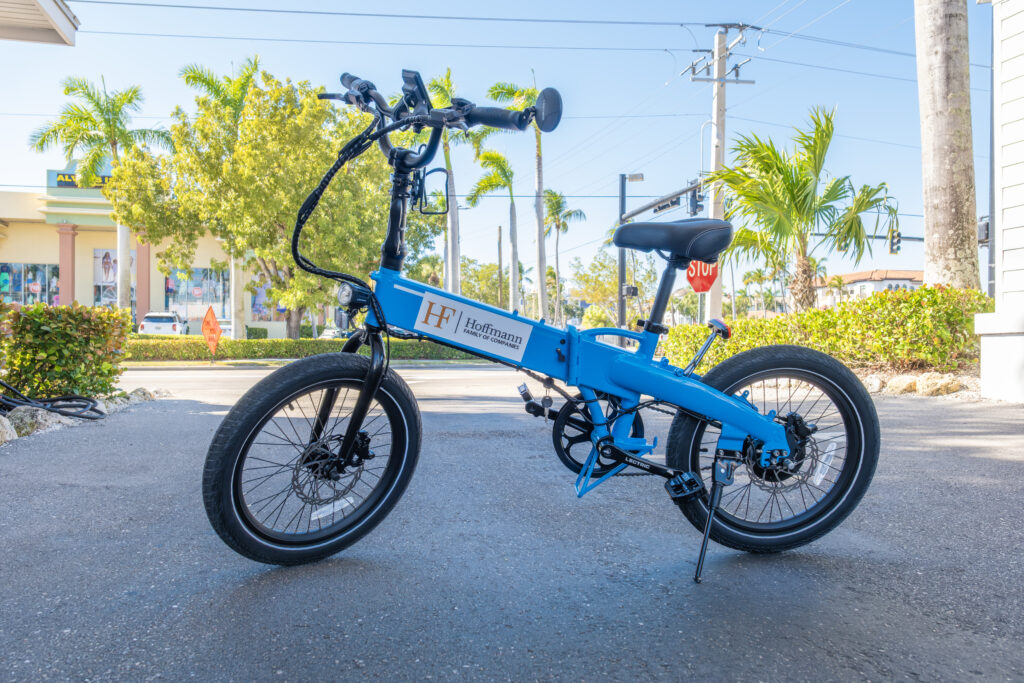
An E-bike from Naples Transportation and Tours. -DAVID WISHTISCHIN / FLORIDA WEEKLY
“It’s a big deal for me in my district. A lot of workers who don’t have cars find e-vehicles a big help,” LoCastro said. “And we’re not trying to take away anybody’s rights.”
But, he added, “We can’t have 20 teenagers riding on the opposite side of a road, facing traffic, and popping wheelies.”
That hasn’t satisfied some free spirits. In social media responses to a WPTV5 Facebook post in Palm Beach County, where a retired Martin County firefighter compared parents who buy their young children e-bikes to “(giving) a 12-year-old the keys to your car and (saying), ‘Just go drive,’” reactions varied.
Some insisted government officials should let people decide their own fates and “live or die.”
Other voices expressed caution and approval.
“The problem is ‘bikes’ without pedals. Or the problem is ‘bikes’ with large motors over 750 watts,” said Harold Hall. “I own a Class 1 e-bike. I also own an electric motorcycle that is registered, insured, and I have a motorcycle license. Kids riding off-road motorcycles illegally on the road, or on bike trails, are the problem.”
Niki Frick said, “There needs to be some regulation. Either they are a motorized vehicle and should be on the street and require registration, a license, insurance and a helmet, or they should only go certain speeds and stay off the street.”
And Nathan Tomish said, “The parents are oblivious and think these are just like a bicycle, but the reality is, they’re a motorcycle. To ride an e-bike on the street, you should have to have a license, registration and insurance just like a motorcycle.”
Statistically, say the proponents of new, stricter regulations, pedestrian accidents are three times more likely with e-bikes than with bicycles.
That’s why the Fort Myers Beach ordinance and others require e-bikes to have bells, and riders to warn any pedestrians of their approach.
But laws are one thing, and enforcing them is another.
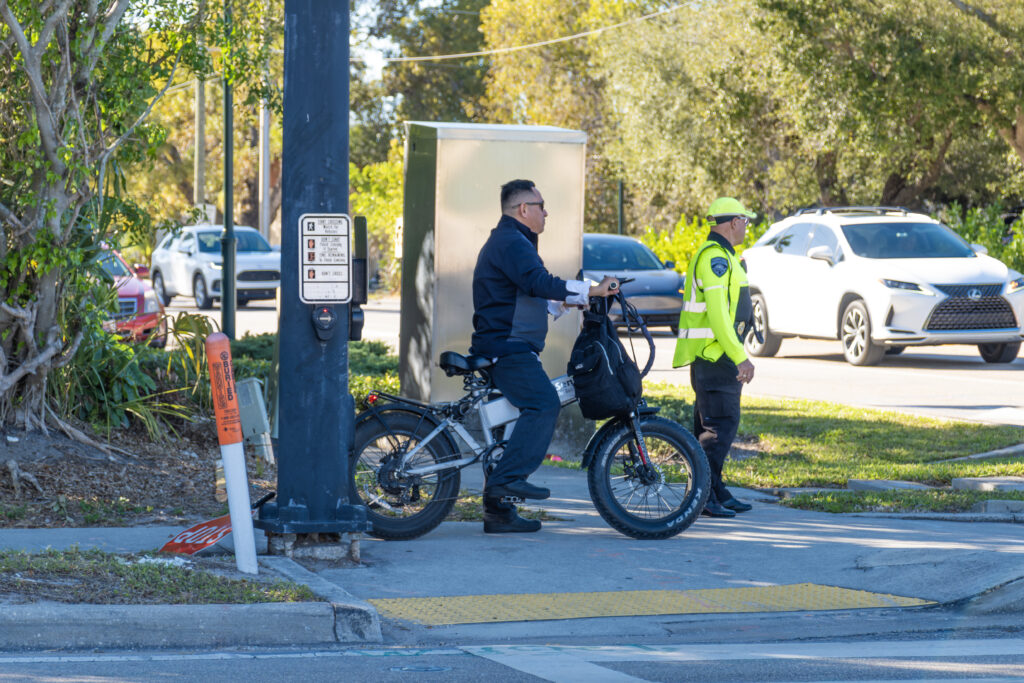
From city streets to bike trails, e-bikes are reshaping how people ride around. -DAVID WISHTISCHIN / FLORIDA WEEKLY
Three classifications, different rules
The current classifications, meanwhile, are regulated differently in communities — but none require a license, registration or insurance. And only those under 16 are required to wear helmets.
Where no other rules are in place, state law allows all three classes to be used on roads, bike lanes and shared-use paths. But stricter local rules are rapidly becoming widespread.
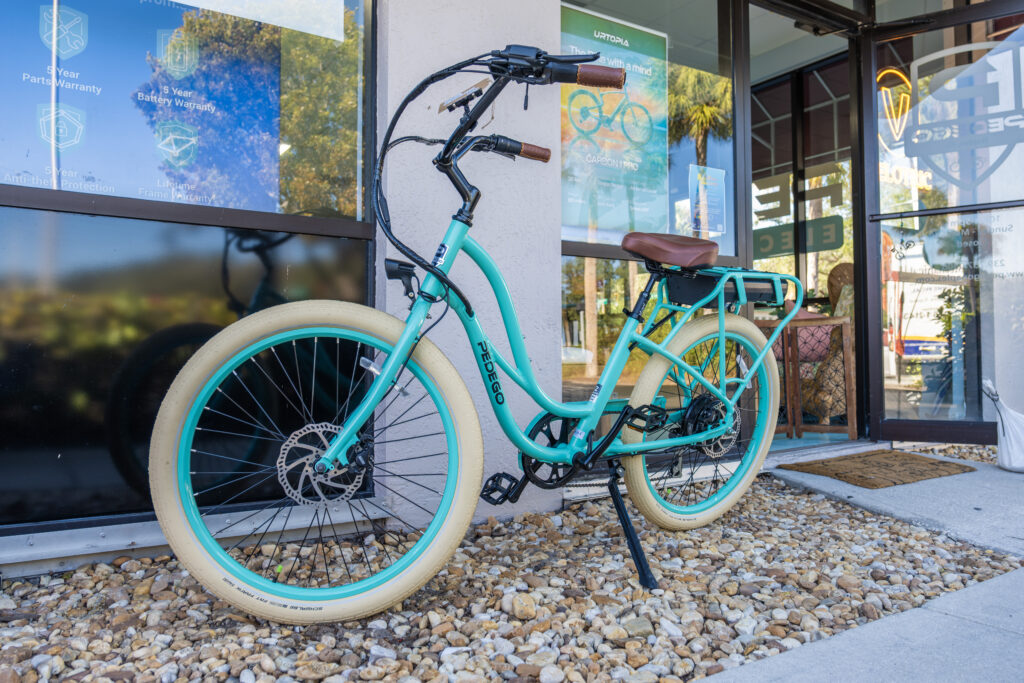
E-bikes can come in many different styles, allowing for a perfect match from rider to rider. -DAVID WISHTISCHIN / FLORIDA WEEKLY
And the newly proposed state legislation, known as House Bill 243, would mean anyone operating a Class 3 electric bicycle would have to be licensed, either with a learner’s permit or a driver’s license.
The fact that the new law would make a distinction in the three classes “is the reasonable thing to do,” Pfäffli said.
And so are proposed restrictions on altering e-bikes to go faster and calling them e-bikes.
“You don’t want your kid riding an e-motor that can go 60. Regulations are supported by the industry,” Pfäffli added. “We don’t want to mix up e-bikes that are not more dangerous than regular bicycles with faster, more dangerous machines. So, if danger has categories, those (under 20 mph and over 20 mph) are two different categories.”
As for the laws themselves and their application to riders, he advises, “You have to drive defensively. Most traffic is not aware of you; they’re just not used to bicycles being faster than about 10 or 15 mph. So even though you have the right of way, that doesn’t matter if a car is going to hit you.
“That’s what we teach our customers. Ride reasonably. Wear a helmet. When you go on the sidewalk, yield to pedestrians — and just be nice to each other.”
When somebody makes rude hand gestures in Pfäffli’s direction, or honks or shouts at him even though he has the right of way, “I just smile and wave,” he says: “‘Hello!’”