
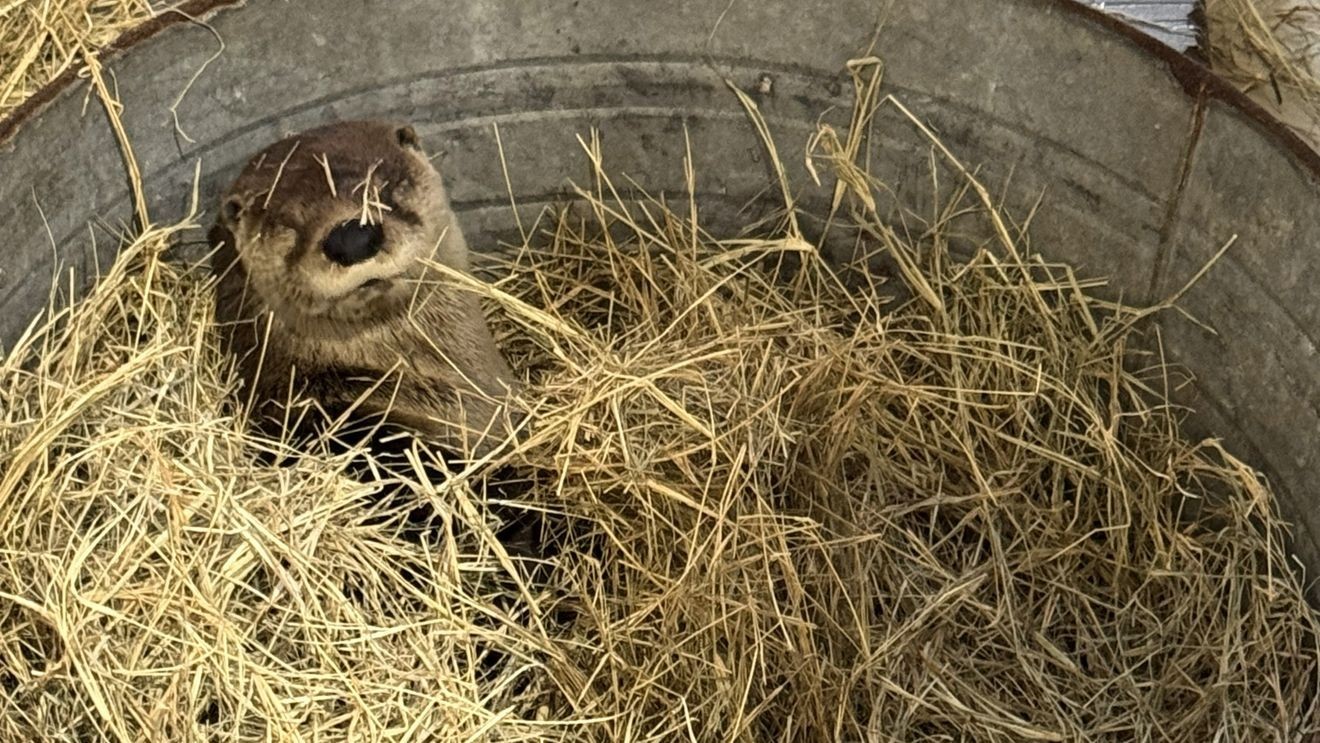
PALM BEACH COUNTY, Fla. (CBS12) — As temperatures dip across South Florida, local zoos and wildlife centers are making behind-the-scenes changes to protect animals that are especially sensitive to colder weather.
At both Lion Country Safari in Loxahatchee and Busch Wildlife Sanctuary in Jupiter Farms, animal care teams adjust cold-weather protocols based on both the species and how low temperatures are expected to drop. Those changes include adding extra bedding such as hay and blankets, warming night houses and shelters with heat sources, relocating reptiles into indoor or heated areas, and offering animals additional food to help them generate body heat.
“Our protocols for cold weather vary by species and also the temperature range that we’re anticipating,” Lion Country Safari officials said. “Some of our cold weather protocols include providing extra bedding materials like hay and blankets for animals like the chimpanzees, hay beds for a variety of species, relocating reptiles indoors, providing heat lamps and heat in night areas and shelters, and also providing more food, since eating produces heat.”
Reptiles are among the most vulnerable animals during cold snaps in Florida, according to the Lion Country Safari park.
“Our tortoises and snakes, since reptiles can’t internally regulate their body temperature,” said park officials.
During colder periods this month, those species are being temporarily relocated from their outdoor habitats into indoor or heated spaces.
See also: Arctic blast brings record cold temperatures this weekend
Even as some animals move indoors, staff members continue daily enrichment activities to keep them active and comfortable.
“While some animals’ activity level may change in cooler weather, we still provide these opportunities for enrichment. For example, when we offer the chimpanzees access to their indoor quarters, our care team sets up the bedrooms with plenty of activities, opportunities for foraging, and ropes and nets for climbing,” said park officials.
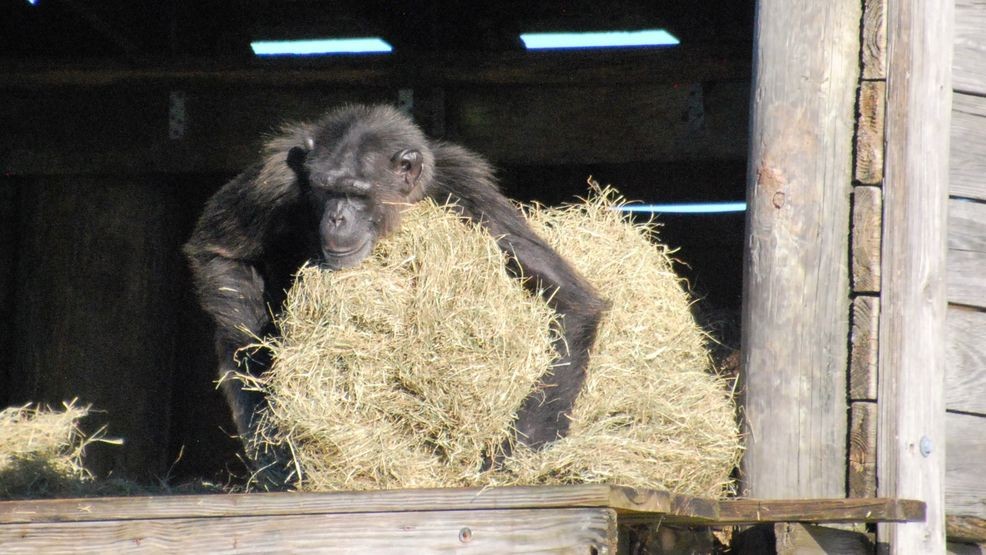 At both Lion Country Safari in Loxahatchee and Busch Wildlife Sanctuary, animal care teams adjust cold-weather protocols based on both the species and how low temperatures are expected to drop. Those changes include adding extra bedding such as hay and blankets, warming night houses and shelters with heat sources, relocating reptiles into indoor or heated areas and offering animals additional food to help them generate body heat. (Lion Country Safari)
A similar cold-weather protocol is in place at Busch Wildlife Sanctuary.
Christen Mason, Chief Operating Officer at Busch Wildlife Sanctuary, said staff members give mammals extra hay and blankets to curl up in and hang thick tarps and blankets around enclosures to block strong overnight winds.
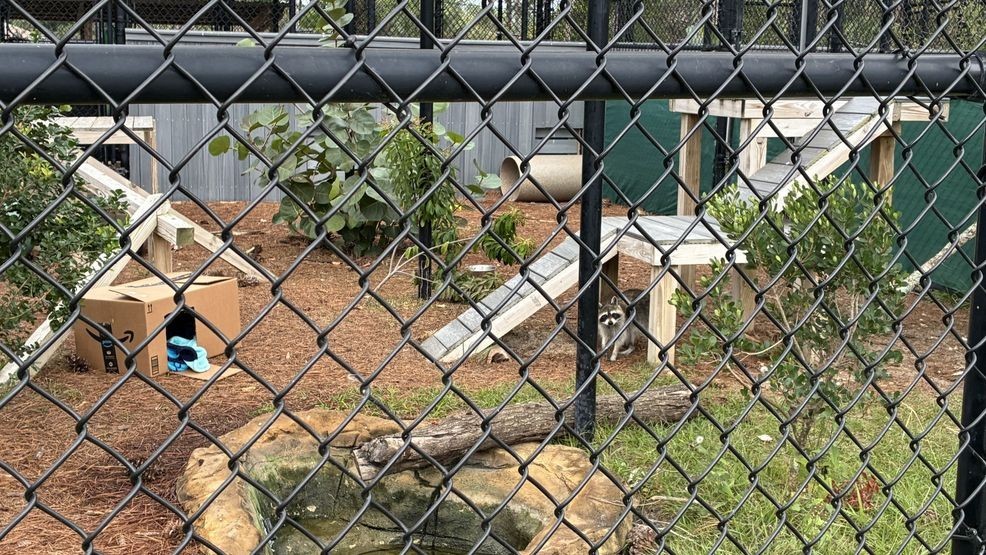 How some Florida wildlife centers prepare and protect animals from the cold snap. (WPEC)
“We give all our mammals lots of hay to snuggle in, and many of them also get blankets,” Mason said. “Because we also have significant wind in the forecast, we’ll hang up thick blankets and tarps to prevent it from blowing through the night houses and enclosures of some of our animals who are more sensitive.”
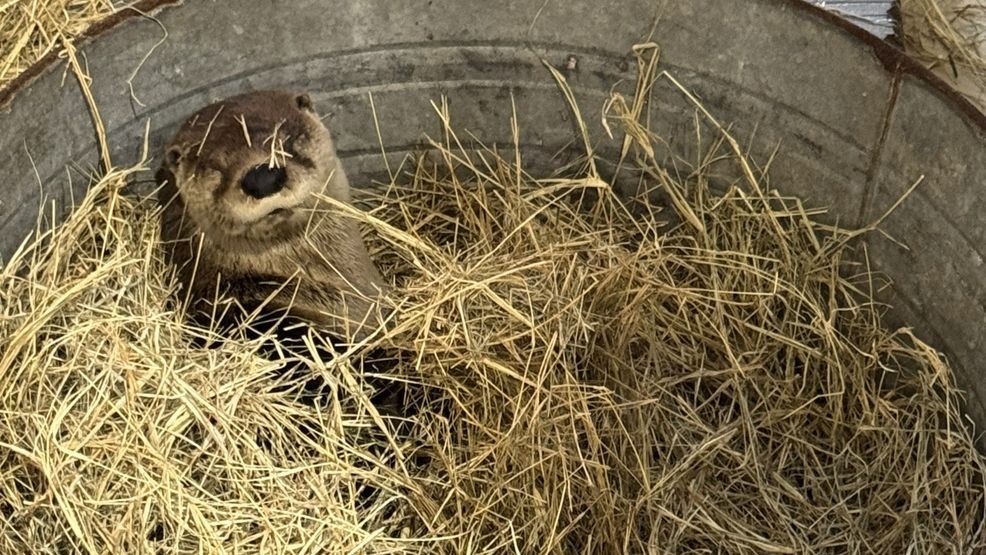 At both Lion Country Safari in Loxahatchee and Busch Wildlife Sanctuary, animal care teams adjust cold-weather protocols based on both the species and how low temperatures are expected to drop. Those changes include adding extra bedding such as hay and blankets, warming night houses and shelters with heat sources, relocating reptiles into indoor or heated areas and offering animals additional food to help them generate body heat. (Busch Wildlife Sanctuary)
Animals in more exposed enclosures are also moved into more secure spaces.
“Animals like our turkeys, who are in unprotected enclosures, will get moved into areas with solid walls,” Mason said.
Reptiles are also the most sensitive to cold temperatures at Busch Wildlife Sanctuary.
“Reptiles are the most sensitive to the cold since they don’t have the ability to internally regulate their body temperature. Any of our reptiles that live outside get brought inside when the temperature starts to drop,” said Mason.
Mason said staff balance keeping animals warm while still allowing them to remain active and follow their normal routines.
Most mammals continue to be active during cooler weather, while birds and reptiles that are brought indoors are returned to their outdoor enclosures once daytime temperatures warm up.
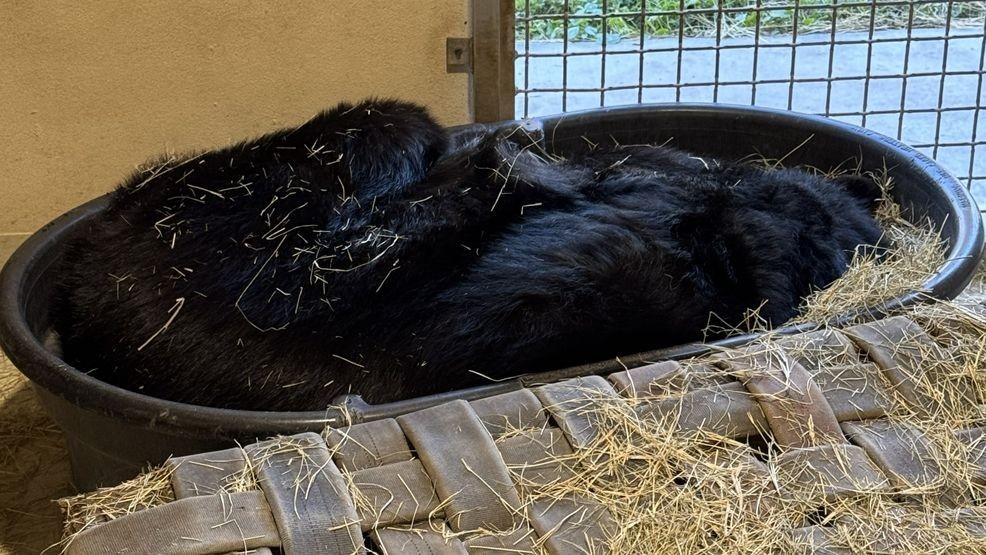 At both Lion Country Safari in Loxahatchee and Busch Wildlife Sanctuary, animal care teams adjust cold-weather protocols based on both the species and how low temperatures are expected to drop. Those changes include adding extra bedding such as hay and blankets, warming night houses and shelters with heat sources, relocating reptiles into indoor or heated areas and offering animals additional food to help them generate body heat. (Busch Wildlife Sanctuary)
Staff then brings them back inside again in the late afternoon to prepare for colder nighttime conditions.
Mason says if you have pets at home to keep them top of mind this weekend too.
“If you’ve got a dog that doesn’t have much fur, a sweater is really nice. We like them completely. For people that have reptiles outside, bringing them in is great, if not a heat source is going to be really important for their livelihood this weekend,” said Mason.
She says enrichment is a great tool to keep animals moving around and keeping warm. “Finding different ways for them to find their food, different scents, different things to encourage them to get out and start moving around and warm up,” said Mason.