
As the Sunshine State experiences cold temperatures, the Florida Fish and Wildlife Conservation Commission is reminding people how the chilly weather is affecting animals.
Some of Florida’s well-known animals are affected by the cold, and the FWC is sharing tips on how to protect them.
Manatees
The FWC says that manatees need to be in water that is warmer than 68 degrees Fahrenheit to survive, and when it gets colder, manatees go to springs, power plant discharge areas and other warm-water areas.
Since manatees are a protected species, the FWC is cautioning people that feeding, disturbing and harassing them is illegal. If manatees are disturbed, they can swim into colder water, which is potentially life-threatening.
When a manatee loses heat, the FWC said, they could suffer from a condition known as cold stress, which can kill them.
Boating is also affected during colder months as seasonal manatee protection zones require boaters and personal watercraft users to slow down or avoid areas that can result in a collision with manatees.
Sea turtles
As cold-blooded creatures, sea turtles can become cold-stunned or cannot swim when waters drop to 50 degrees Fahrenheit.
When a sea turtle becomes cold-stunned, they could float listlessly in the water or near the shore, and while they may look dead, FWC says they are often alive.
In Florida, all turtle species are protected.
If you see an injured or dead sea turtle, you are urged to contact FWC.
Iguanas
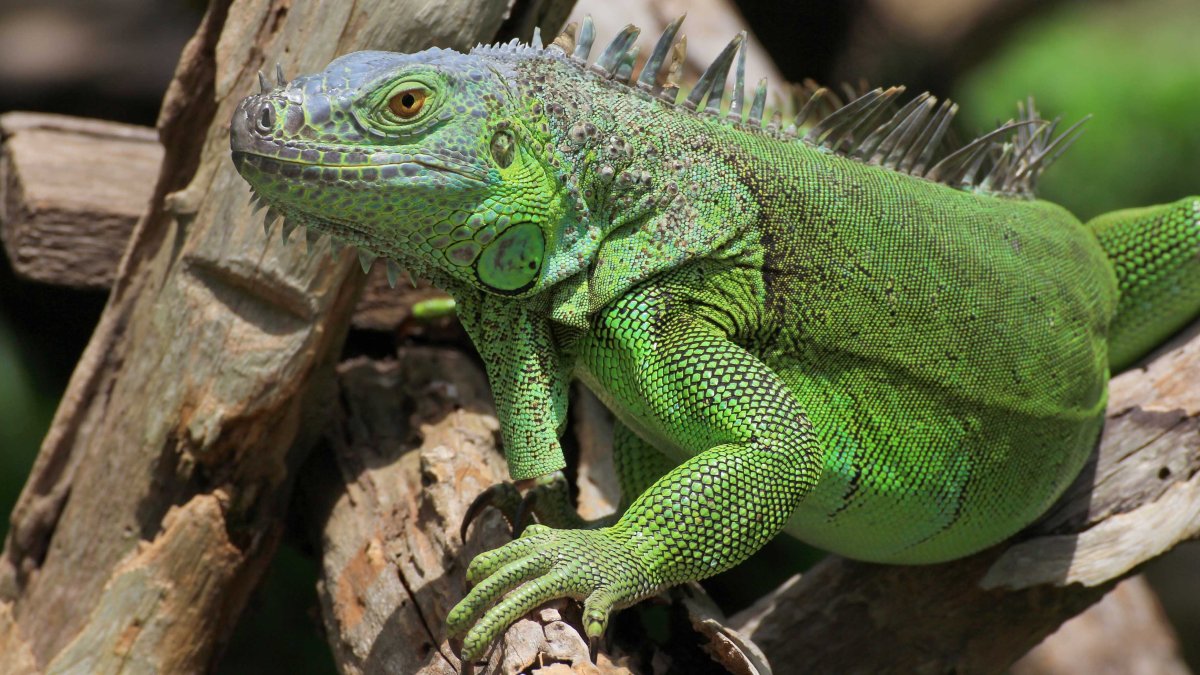
Iguanas are famously known for falling off trees during the winter season.
The FWC is urging people not to take them home or to warm them up in their cars because iguanas can become defensive when they recover.
Since iguanas are an invasive species and classified as a prohibited species by the FWC, it is illegal to have iguanas without a permit and to release them.
But on Friday, the FWC issued an executive order stablishing special regulations that temporarily allow people to remove live, cold-stunned green iguanas from the wild without a permit.