
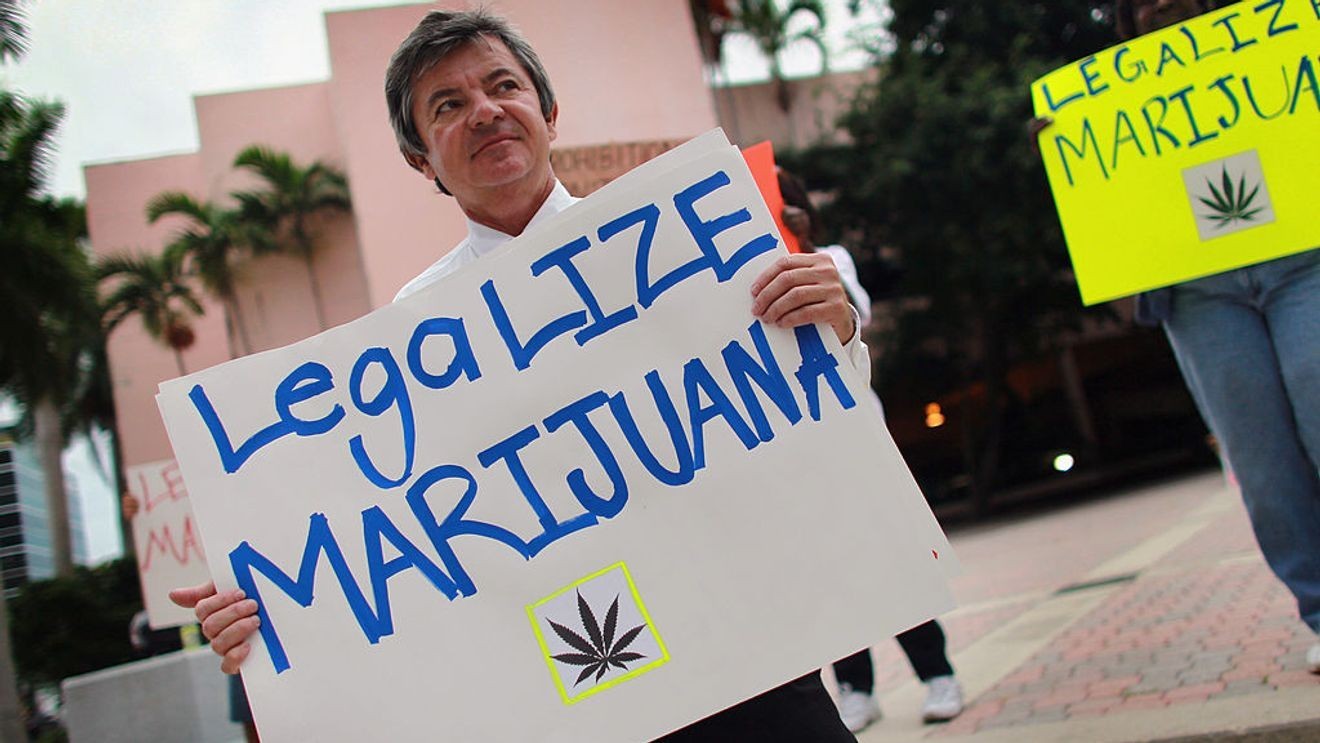
TALLAHASSEE, Fla. (CBS12) — A proposed constitutional amendment that would have allowed adults in Florida to buy and use recreational marijuana will not appear on the 2026 ballot, state election officials announced Sunday.
The Department of State determined that Smart & Safe Florida — the organization behind the initiative — fell short of the nearly 880,000 verified petition signatures required to qualify.
According to the state’s database, the campaign had secured roughly 784,000 valid signatures by the Feb. 1 deadline — well below the threshold needed. The shortfall followed months of state directives that resulted in the removal of tens of thousands of signatures, including approximately 200,000 petitions mailed directly to voters and another 70,000 collected by no-Florida residents or signed by voters classified as inactive.
Smart & Safe Florida sharply criticized the state’s announcement, calling it “premature.” Campaign leaders argue they submitted more than 1.4 million petitions and believe that once counties finish reporting their final tallies, the initiative will exceed the requirement.
The process leading up to the deadline was marked by mounting tension between state officials and elections supervisors. In the final days of petition verification, the state’s election crimes office conducted in-person audits of local offices, while the Attorney General’s Office ordered county supervisors to turn over specific petitions for a criminal investigation.
Broward County Supervisor of Elections Joe Scott questioned the timing and intensity of the state’s inquiries, saying the effort appeared “focused on trying to stop” the amendment from advancing.
See also: Fines now in effect for travelers without a Real ID
This is not the first clash between the DeSantis administration and Smart & Safe Florida. A similar proposal — Amendment 3 — was placed on the 2024 ballot but failed to reach the 60% threshold required for passage. Campaign officials said that during that cycle, the state invested taxpayer funds in advertisements opposing the measure, while also channeling millions in redirected Medicaid dollars through nonprofit groups that eventually funded anti-amendment efforts.
The marijuana campaign has long argued that the state’s verification process is inconsistent and overly burdensome, pointing to wide gaps between county-level petition reporting and the totals shown on the state website. Those discrepancies, they say, have made it difficult to track realtime progress toward qualification and to make strategic decisions about where additional signatures are needed.
With the deadline now passed, the recreational marijuana amendment joins 21 other initiative efforts that failed to make the 2026 ballot. Although Smart & Safe Florida insists it submitted far more signatures than required, the state maintains that the verified totals fall short — and without legal intervention, the measure will not move forward this election cycle.