
Maritime industry leaders spent Tuesday at the Capitol delivering a simple message to lawmakers: When disaster strikes, they’re ready to answer the call.
Representatives of the Florida Maritime Partnership met with lawmakers and state agency officials to raise awareness about the industry’s role in Florida’s economy and its importance during hurricane season, particularly when it comes to fuel deliveries.
Those deliveries are governed by the Jones Act, a federal law that requires goods transported between U.S. ports to move on vessels that are U.S.-built, U.S.-owned, and crewed primarily by U.S. citizens or permanent residents. The century-old law was designed to support domestic shipping, national security and maritime jobs.
While the Jones Act is federal, industry leaders emphasized the importance of Tallahassee being on the same page — state and local officials play a key role in shaping public understanding of post-storm shortages, and in the past some have floated suspending the Jones Act under the impression it would expedite fuel deliveries.
About 90% of Florida’s gasoline, diesel and jet fuel arrives by water, primarily through the ports of Tampa, Port Everglades and Jacksonville. That fuel is refined along the Gulf Coast and transported on U.S.-crewed, U.S.-built vessels operating under the Jones Act.

Industry officials said those vessels are routinely staged ahead of hurricanes, tanks are topped off before landfall, and they are positioned to reenter ports as soon as they reopen. When gas stations run dry after storms, maritime delivery is rarely the bottleneck.
“The issue is usually on land,” said David Wood, President of the Florida Maritime Partnership. “It’s terminals reopening, trucks getting loaded, and then the fuel trucks getting out to those stations.”
That distinction matters, Wood said, because calls to waive the Jones Act often surface during emergencies, a time when undermining a working system would threaten not only resupply chains, but the health of an industry that directly employs roughly 66,000 Floridians and indirectly supports tens of thousands more.
While there are national groups advocating for preserving the Jones Act, the Florida Maritime Partnership is the only state-level organization of its kind. That’s partly due to Florida’s unique geography and, by extension, infrastructure — with ports on both coasts and along the Panhandle, cargo can be rerouted if one facility takes a direct hit, with fuel and goods moved inland by rail or truck.
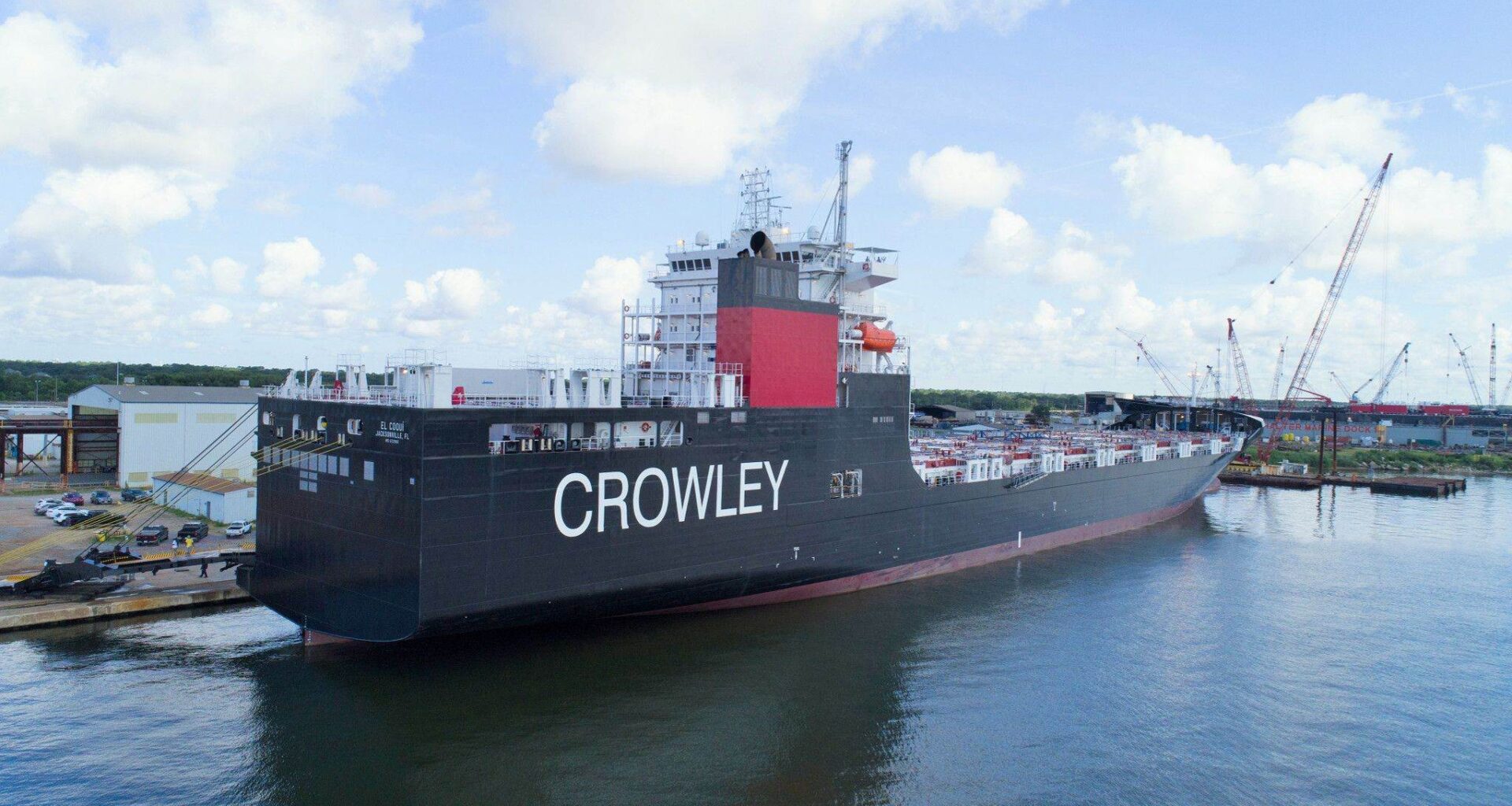
Florida’s ports also play an outsized role beyond the state. Jacksonville is a key hub for domestic shipping to Puerto Rico, served by major carriers including Crowley Maritime. Those supply lines, officials said, are vital during hurricane recovery across the Southeast and the Caribbean.

“Our industry is active and engaged around the state,” Wood said. “Coming here to Tallahassee and telling our story is just what we’re focused on right now.”