
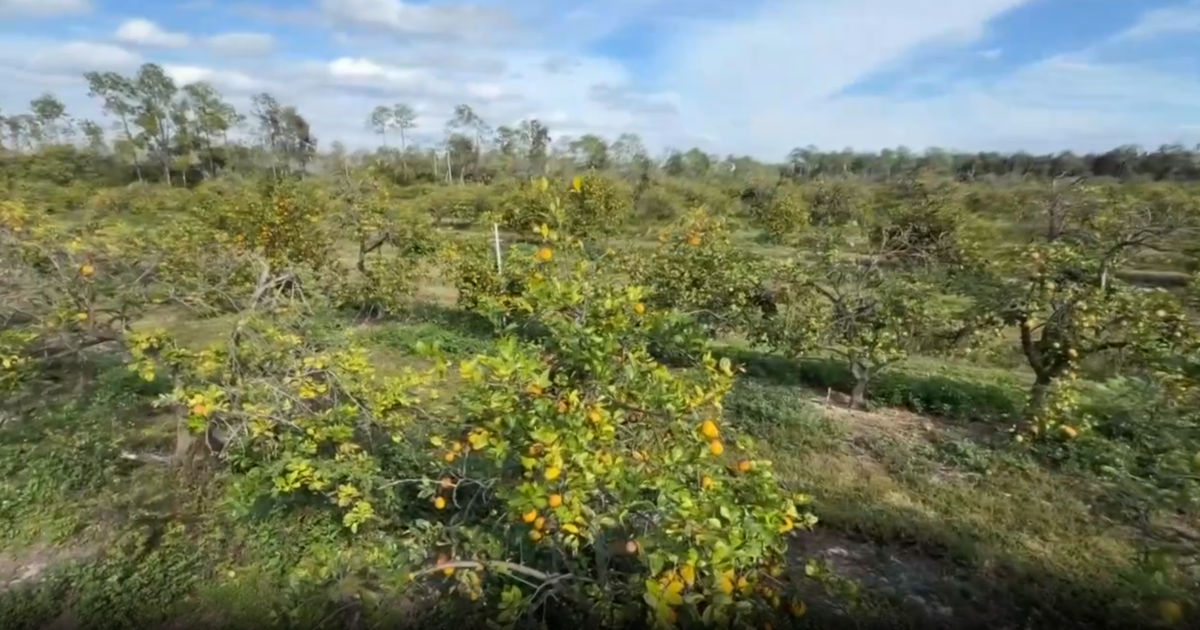
SOUTHWEST Fla. — Florida agriculture is reeling from what state leaders are calling one of the most damaging freeze events in history.
The Florida Department of Agriculture and Consumer Services announced on Jan. 2 that preliminary estimates show more than $3 billion in losses statewide following multiple hard freezes this winter.
The freeze affected nearly every major sector of Florida agriculture, including citrus, sugarcane, strawberries, tomatoes, peppers, and blueberries. Sugarcane alone accounts for more than $1 billion in estimated damage, while citrus losses are nearing $675 million. State officials said sustained freezing temperatures, especially multiple nights below 32 degrees, caused widespread crop damage during peak growing season. The state is now working with the federal government to secure financial support to help farmers recover, replant, and continue supplying food across the country.
In Southwest Florida, farmers expressed that it was not just one cold night but the consistency of the freezing temperatures that made this season so challenging. Bo McMahon, CEO of Southern Fresh Farms, shared how his operation was impacted.
“Anything that has a bloom, like my tomato plants or peppers, anything that was putting on a bloom to produce, those blooms were knocked off,” said McMahon. “It didn’t necessarily kill the plant, but that cycle of fruits or anything that was going to be in production had to start over.”
This situation means delays in harvest and fewer opportunities to produce during Florida’s limited winter growing window.
“We are dependent on the winter, and we take risks of how early we want to plant based on rains,” said McMahon. “In my lifetime, I’ve seen where entire crops were just completely annihilated from late frost or heavy freezes. And it can be devastating to the Florida agriculture.”
McMahon explained that the impact varies depending on location and crop type, but farmers across the state are watching each new cold front closely, knowing even a few degrees can make all the difference.
Farmers are constantly monitoring forecasts and preparing frost protections when necessary.
State officials said damage assessments are ongoing, and those loss estimates could continue to change in the coming weeks.