
Two Pinellas County schools will close at the end of the current semester, with four others set to see shifts in how they’re used.
That’s just the beginning for the district, which has seen its enrollment steadily shrink for the past several years.
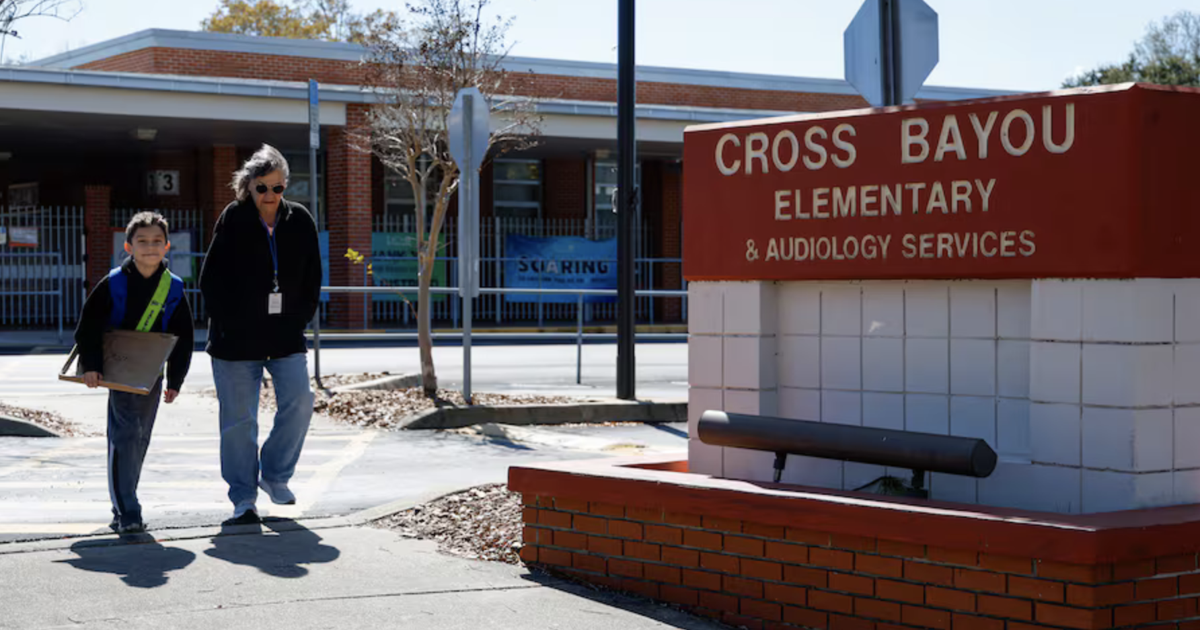
The school board on Tuesday approved recommendations aimed at more efficiently using classroom space amid shrinking revenue. Most notably, Cross Bayou Elementary in Pinellas Park and Disston Academy in St. Petersburg will no longer be used for classes, their students reassigned to other campuses and programs.
Officials said more suggestions are expected in the fall, as the current round of moves reduces the district’s 35,000-seat surplus by less than 2,000. That round of proposals is likely to impact many more students and schools.
About a third of the system’s schools sit at less than 60% of their built capacity.
“We have to step back as a board and think strategically,” said board member Lisa Cane, noting the district’s financial limitations as costs rise and revenue declines because of the declining student population.
Along with the plans for Cross Bayou and Disston, the board also agreed to:
• Merge Bay Point elementary and middle into a K-8 school on the middle school campus, converting the elementary buildings to a different use. That change would occur in fall 2027.
• Take two unused buildings at McMullen Booth Elementary and repurpose them for an employee child care service.
• Expand Oldsmar Elementary to a K-8 school, filling many of its empty classrooms with sixth through eighth grades. The shift will be phased in over three years.
Four residents spoke to the board about the plan. One favored the Oldsmar expansion, while two opposed the Cross Bayou move and one urged the board to reconsider the Disston closure.
Despite the light response, board members acknowledged that closing and merging schools can upset students, families and staff members. They encouraged anyone affected by the current or future initiatives to bring forth questions, suggestions and concerns so they can try to address those while putting the changes into effect.
“We do know the emotion of it. We hear you. We see you,” vice chairwoman Dawn Peters said. “Our school district is going to implement this in the best way possible.”
Board member Laura Hine added that she would not have supported the proposals if the district did not have strong alternative options available. Students currently attending Cross Bayou, for instance, are being reassigned to one of two A-rated schools that chairperson Caprice Edmond said also provide warm and caring environments that other campuses would want to replicate.
“We have to be confident that students can be served with excellent programs,” Hine said.
The district has been taking steps over the past few years to counteract its population slide. Among its other moves, it has closed Pinellas Gulf Coast Academy, a small alternative program that was merged into two other facilities; combined Walsingham and Southern Oak elementary schools into a single K-8 campus; and converted Pinellas Secondary into an employee child-care center.
Superintendent Kevin Hendrick raised the possibility of needing to do more in September, noting that Pinellas has experienced a dramatic drop in its birth rate since 1990 while also seeing the cost of living drive away many middle income families.
The growth of vouchers has negatively impacted enrollment, as well, and the possibility of needing to hand over unused space to Schools of Hope charter schools further complicated matters. Pinellas is one of many districts across Florida coping with similar scenarios, including Broward and Duval counties.
District officials held town hall meetings in November and December to gather residents’ thoughts about how to resolve the situation. Some of the more frequently mentioned ideas included adding kindergarten through eighth grade campuses and expanding child care and early education options.
Both approaches figured prominently in the proposal that the staff introduced to the board in January. To be more certain about its direction, the board next held another set of forums, this time targeted at the schools that would be affected.
The greatest response came from Cross Bayou, the only neighborhood school poised to close. Disston Academy is an alternative school serving about 50 students.
Cross Bayou has about 245 students in kindergarten through fifth grade, plus about 30 students in a program for children who are deaf or hard of hearing. Many families lamented the loss of a mainstay in their community.
“I believe that they’re doing the best with what they have,” parent and volunteer Michael Gerke said during Cross Bayou’s information session. “I know they have to close schools. I just respectfully believe they picked the wrong school.”
The feedback did not prompt any changes in the recommendations.