
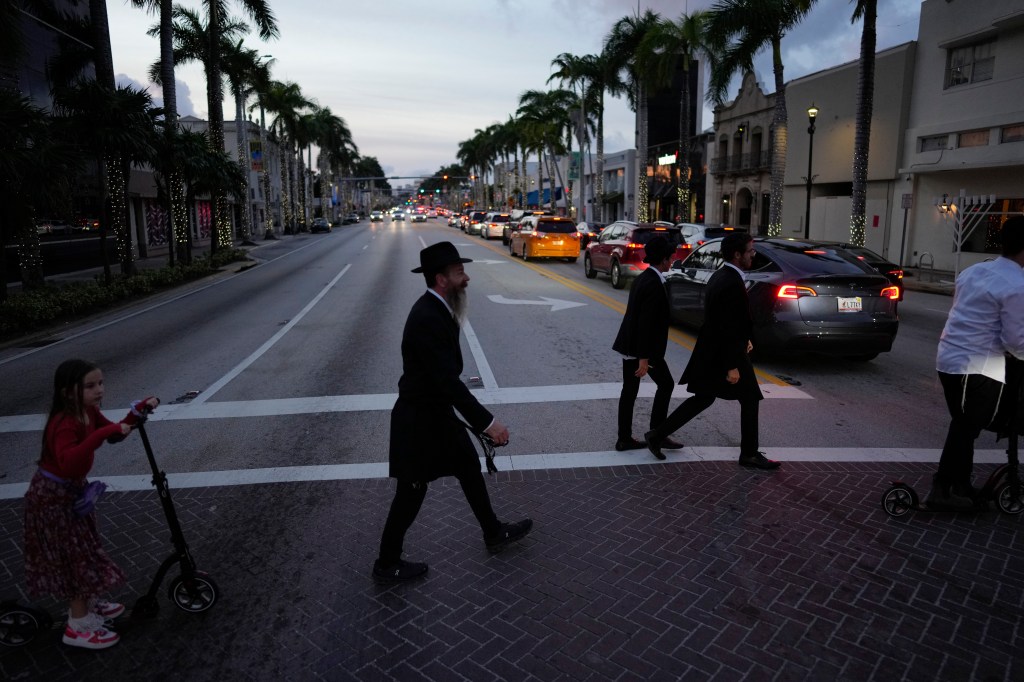
I grew up in Miami Beach. My father and my Aunt Fanny owned a small hotel called the Abrams Hotel. Maybe you remember it. It sat across the street from what is now the Jewish Museum of Florida at Third and Washington. Back then, it wasn’t a museum. It was just another shul and the neighborhood felt very old to me — because everyone in it was.
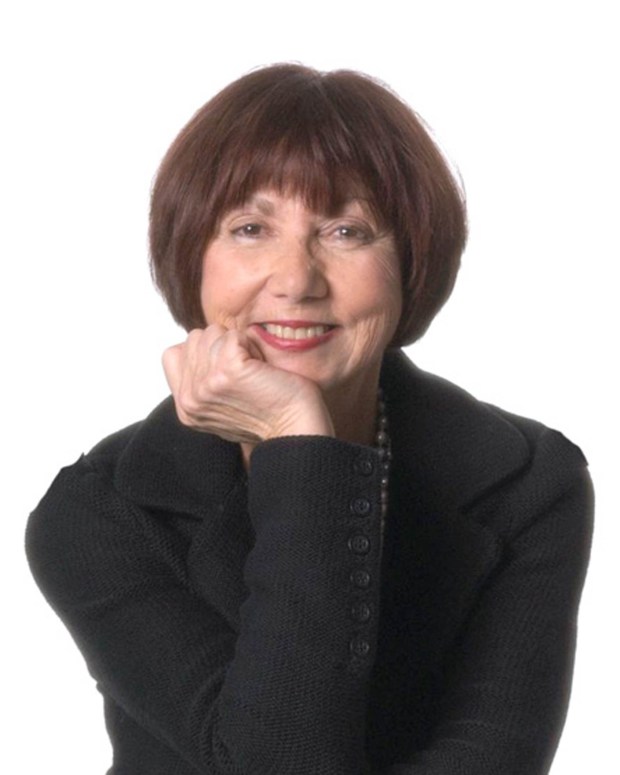 Fern Lebo is a published author of 7 books including “The Boy in the Back: A True Story of Survival in Auschwitz and Mauthausen.” (Fern Lebo/Courtesy)
I didn’t love it. I was a child, surrounded by retirees who spoke in hushed tones, played cards endlessly, and seemed to nap their way through the afternoons.
My father also owned a small hotel in Canada, about fifty miles north of Toronto, where we spent our summers. It sounds idyllic. It wasn’t. We drove south after the High Holidays, spent our winters in Miami Beach where I went to school, then drove north after Pesach. Back and forth. Always transient. Always a little out of place. I was happiest when my father sold the hotels. I was twelve.
And yet, here I am.
I’ve been coming back to South Florida for years now as a snowbird, drawn by the light, the air, and the undeniable pull of Jewish life here. This year, though, I returned with something new: my latest book, “The Boy in the Back: A True Story of Survival in Auschwitz and Mauthausen.” I came hoping to meet people, to talk—not just about a book, but about memory, history, and responsibility.
What I found was warmth. Real warmth. Synagogues opened their doors. A JCC welcomed conversation. Audiences leaned in. People didn’t just listen; they engaged. They asked hard questions. They shared their own stories of parents and grandparents, of survival and silence, of fear and resilience in this present moment.
“The Boy in the Back” tells the true story of a young boy who survived Auschwitz and Mauthausen. But it does something else as well. Alongside that historical narrative, the book places contemporary reports of antisemitism side by side with the past. Not to shock, but to remind. History does not repeat itself exactly, but it echoes. Loudly. Uncomfortably.
These book talks are not lectures. They are conversations. About what it means to remember. About what happens when we don’t. About how ordinary people — readers, parents, grandparents, students — carry responsibility forward. I speak at synagogues, at JCCs, and anywhere else people want to gather and talk honestly. Because silence has never protected us. Stories do.
Coming back to Florida now feels different than it did when I was small. Buildings may be familiar, but the meaning of the place has shifted for me. What once felt old now feels rooted. What once felt tedious now feels essential. I didn’t know it then, but I was growing up inside a community that understood something vital: memory is not passive. It requires tending.
This year, returning with this book, I feel that full circle moment deeply. From a little hotel across from a museum that didn’t yet exist, to rooms full of people determined not to forget. This is the work. This is why we gather. This is why we tell our stories. Because we must.
Fern Lebo is the internationally published author of 7 books including her latest, “The Boy in the Back: A True Story of Survival in Auschwitz and Mauthausen.” She is also a painter, potter, and proud grandmother.