
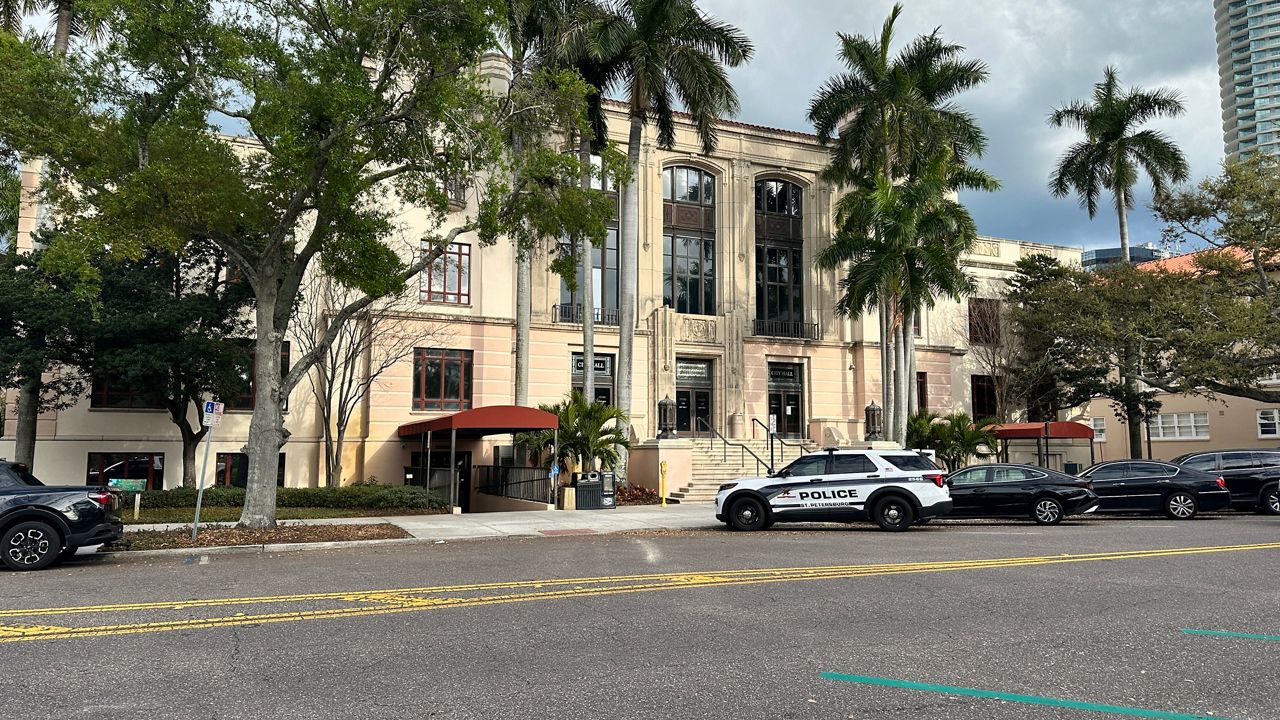
ST. PETERSBURG, Fla. — City and county leaders from across Florida held a joint press conference on Wednesday to sound the alarm about DEI rollback legislation which will be voted on this week, with St. Petersburg Mayor Kenneth Welch calling it “dangerous” and “undemocratic.”
What You Need To Know
State DEI rollback legislation will be voted on this week in both chambers
The legislation would prohibit counties and cities from funding or promoting most actions related to diversity, equity and inclusion
St. Petersburg Mayor Kenneth Welch called the proposed bills “dangerous” and “undemocratic”
The St. Pete Pride Festival board president said it would drastically change how the organization shows up in the community
“This proposed legislation is a serious threat to local governments,” he said. “It is also the latest attempt by some in the legislature to redefine and demonize the concept of diversity, equity and inclusion.”
The Florida House and Senate bills mirror each other and would prohibit counties and cities from funding or promoting most actions related to diversity, equity and inclusion. It states that local officials who violate the law commit malfeasance and could be removed from office. The legislation also allows for lawsuits against local governments.
“It may sound ridiculous because it is ridiculous,” said Mayor Welch. “Rather than address the real issues of housing affordability, insurance and resilience, and maybe passing a budget on time, the legislature is wasting time and money on culture wars.”
The bills define DEI as an effort to “promote or provide preferential treatment or special benefits to a person or group based on… race, color, sex, ethnicity, gender identity or sexual orientation.”
Welch called the bills language “vague” and its affects broader than many realize.
“It could impact existing programs that support women,” he said. “It could even restrict… celebrations for certain ethnic groups like St. Patrick’s Day, not to mention Black Heritage, Hispanic Heritage and Pride.”
The St. Pete Pride Festival is the largest in the Southeast, and the parade draws more than 350,000 people, according to organizers. The festival has an economic impact of $63 million. Pride board President Dr. Byron Green-Calisch said if the DEI rollback legislation is passed, it would prevent the city from an in-kind contribution of $150,000 worth of police, fire and park use.
“It would drastically change how our organization shows up in the community,” he said. “How much we’re able to keep people safe, the footprint that we have in this city.”
Welch said he’s not sure the city could continue providing the in-kind contribution to the Pride festival next year if the legislation becomes law.
“It is so far ranging,” he said. “It just depends how risk averse that a city or county wants to be given their broad definition of DEI.”
Dr. Green-Calisch said local officials are in the best position to make decisions that reflect their community. He believes that what some state lawmakers are trying to do is really damaging.
“My message overall to these state lawmakers is I really want us to focus on making life better for Floridians,” he said. “This piece of legislation alone does not make life better for Floridians.”
The bills do provide some exemptions and would not affect religious aspects. The sponsors said decisions related to individuals and actions should be merit-based.
If one of the bills is passed, it’s expected that Gov. Ron DeSantis would sign the legislation into law, which would go into effect in January.