
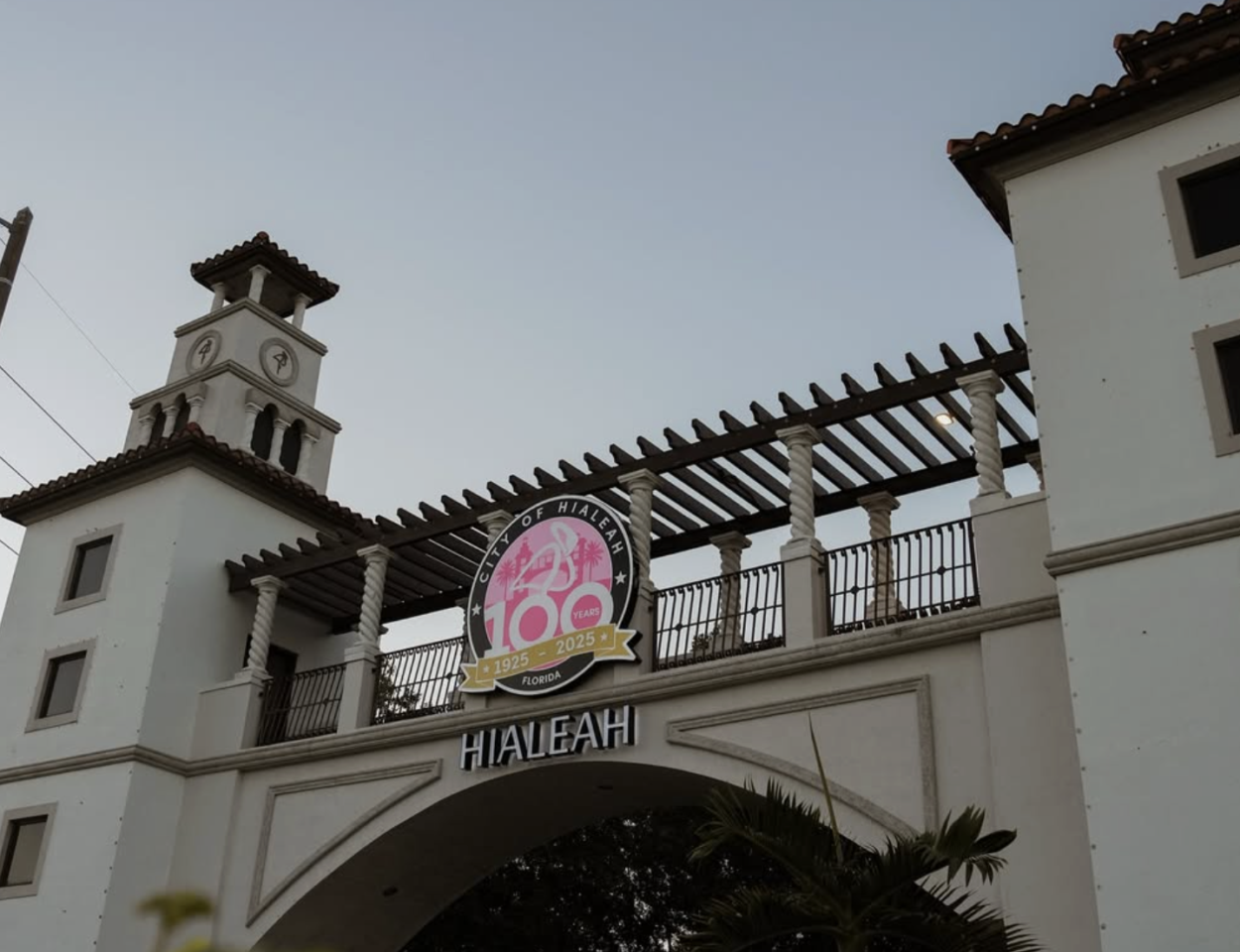
When local governments find ways to ease the financial pressure on residents, it should be highlighted and recognized. That’s why the intent behind the recent announcement from the City of Hialeah regarding “property tax relief” for seniors is worth applauding. The city identified savings within its budget and used those funds to provide checks to qualifying seniors — an average of about $539 — helping more than 6,600 households meet rising costs.
For seniors living on fixed incomes, every dollar matters. Efforts like this demonstrate that local governments can and should be creative in helping residents navigate today’s affordability challenges.
However, the claim that this represents a “first in Florida” deserves some clarification. Cities across the state have been exploring ways to return savings to residents for years, and last year Miami Beach implemented a more expansive relief program benefiting all 14,000 of our homesteaded homeowners. Hialeah’s initiative is a welcome addition — but it is part of a broader trend among municipalities working creatively within the limits of state law to help residents cope with rising costs.
Good policy ideas rarely belong to just one city. They spread when local leaders see what works and build upon it. Local governments learn from each other.
But amid the headlines, it is also important to understand what is actually happening — and what is not.
Despite the way some stories have framed the policy, no city in Florida can simply “eliminate” property taxes for a particular group of residents. Not Hialeah. Not Miami Beach. Not any municipality.
Florida’s property tax system is governed by state law and the Florida Constitution. Cities do not control the entire property tax bill homeowners receive. Property taxes fund multiple layers of government — counties, school districts, library districts, water management districts, and municipalities — each with its own taxing authority. Cities control only the municipal portion of the bill, which is just one slice of the overall tax structure.
Even within the municipal slice of the tax pie, cities are limited in how exemptions can be structured. Most property tax exemptions must be authorized by the Florida Legislature or approved through constitutional amendment. Local governments cannot simply decide that seniors, veterans, teachers, or any other group will stop paying property taxes altogether.
What cities can do, however, is return legally available, unrestricted, non-ad-valorem moneys to residents through responsible budget decisions and targeted relief programs that serve a legitimate public purpose such as housing stability.
That is precisely what Hialeah has done. By realizing savings from early pension payments that reduced future interest costs, the city created a pool of funds that it is distributing to qualifying seniors who are 65 or older, meet homestead requirements, and earn below roughly $37,000 annually.
In other words, the city did not eliminate or reduce property taxes for seniors. It used savings to provide targeted financial relief, which is both responsible and creative governance.
Other cities have pursued similar approaches — including Miami Beach, where relief was provided two decades ago and again last year through an initiative I was proud to lead.
In Miami Beach, we recognized that the financial pressures residents face today extend well beyond any single demographic group. Rising insurance premiums, special assessments tied to building recertifications, escalating costs of living, and the unique expense of living in South Florida are affecting homeowners across generations.
For that reason, Miami Beach chose a broader path.
Rather than limiting relief to seniors alone, our program provides financial assistance to all homesteaded homeowners. Seniors benefit, of course — but so do working families, middle-income homeowners, and residents who may not qualify under strict age or income thresholds yet are still struggling with the rapidly rising cost of maintaining a home.
Both approaches show that when cities manage their finances responsibly and identify efficiencies, we can creatively find ways to return those savings to the people we serve and thereby help to foster housing stability for our residents.
And as the statewide conversation about property tax reform intensifies — including proposals in Tallahassee that could dramatically reshape how local governments are funded — this kind of local innovation becomes even more important.
Cities are the closest government to the people. We see firsthand the pressures our residents face, and we have a responsibility to respond thoughtfully.
Hialeah deserves credit for taking action on behalf of its seniors. At the same time, the broader lesson is that meaningful relief requires honesty about the limits of local authority on the elimination of property taxes.
Across Florida, local leaders are searching for ways to help residents remain in the homes — and the communities — they love. That work didn’t start with one city, and it certainly won’t end with one either.
Alex Fernandez, Commissioner of the City of Miami Beach