
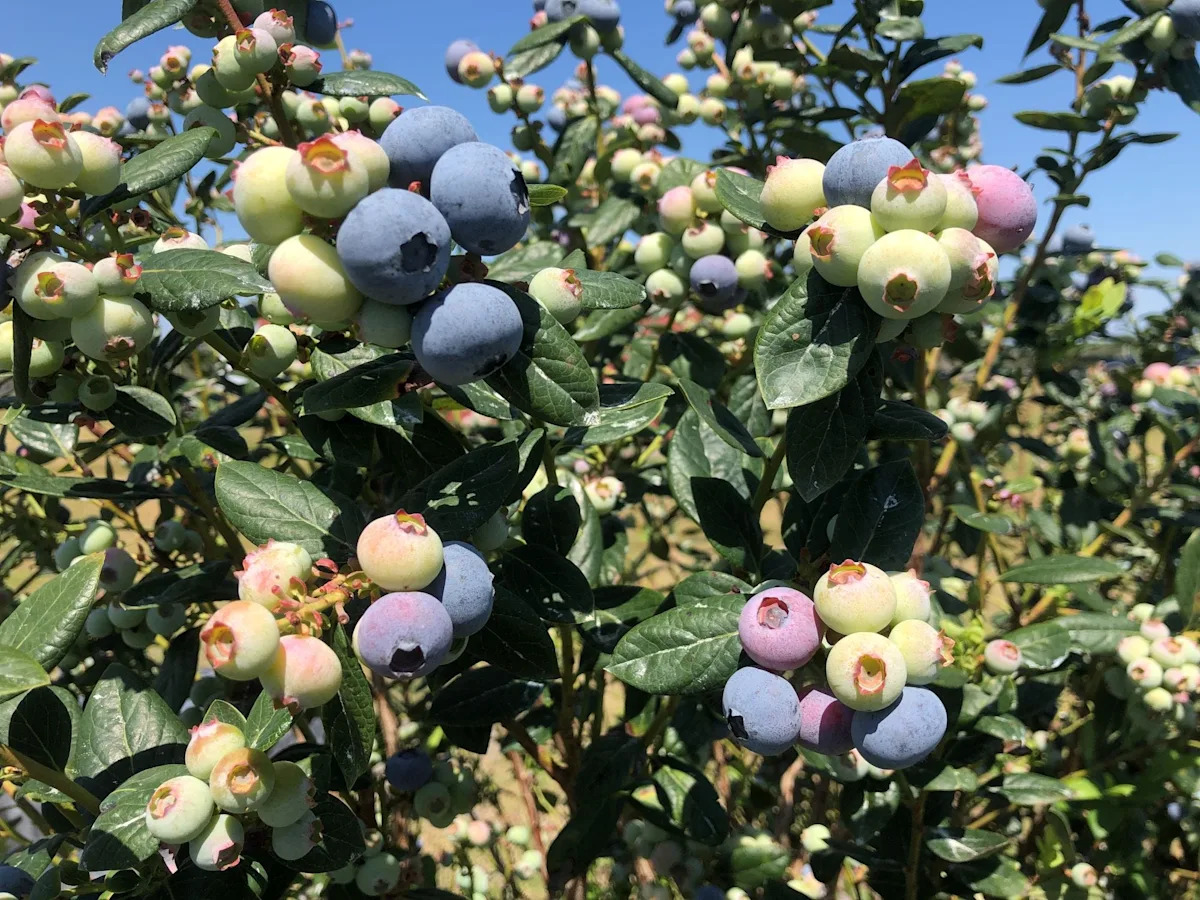
Florida’s blueberry harvest will be lighter this spring after winter freezes damaged crops.
Growers are now focusing on recovery, with the goal of returning to full production by the 2027 season, University of Florida Institute of Food and Agricultural Sciences officials said in a news release.
Efforts include debris cleanup, replanting, irrigation repairs, and ongoing maintenance to support plant health.
Eye toward 2027 blueberry season
“Growers have already begun their recovery efforts, including debris cleanup from broken plants, resetting dislodged plants, spraying fungicides, repairing irrigation systems, and more,” said Doug Phillips, statewide blueberry extension coordinator for UF/IFAS, in the news release.
“These efforts are intended to promote plant health and recovery, with an eye toward having a full crop for the 2027 season.”
The exact extent of the damage is still being assessed, but UF/IFAS specialists say the impact will be felt in this year’s harvest.
“There will be Florida blueberries in the market this spring, although the volume will be less than in a typical season,” Phillips said.
“Harvest is starting in the south region, that was less damaged by the freeze, as well as in the north in protected tunnels.”
Blueberry season runs March through May
The main part of the season in other regions is expected to begin in early to mid-April.
Florida’s three-month blueberry season typically runs from March through May.
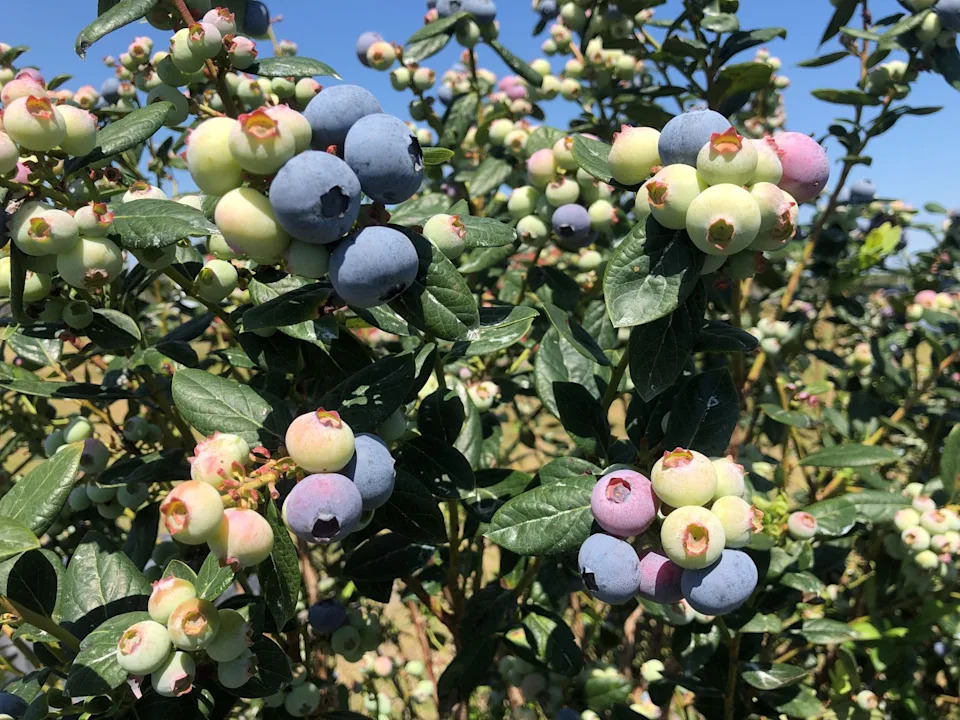
Florida’s blueberry harvest will be lighter in spring 2026 after winter freezes damaged crops. Growers are focusing on recovery, with the goal of returning to full production by the 2027 season.
An official crop damage report is being compiled by UF/IFAS economists to determine the statewide impact from the 2025-26 winter freezes.
Despite the setback, the state’s long-standing blueberry breeding programme continues to deliver new varieties.
The UF/IFAS blueberry program has produced around 70 different varieties over its 80-year history.
Blueberries ‘check every box’
There is strong demand for locally grown fruit, with consumers willing to pay a premium for Florida-grown blueberries.
This is supported by a recent Ask IFAS report, which found broad support for the “Fresh From Florida” brand.
Josh Payne, a registered dietitian with UF/IFAS Extension Hillsborough County, said in the news release: “Blueberries are one of those foods that check every box. They’re sweet, versatile, and easy to add to yogurt, oatmeal or just grab by the handful.
Florida blueberries fill early-season niche
Despite this season’s lower yields, the industry remains optimistic thanks to resilient plants, improved varieties, and a strong rebound plan.
Florida blueberries generally reach the market ahead of those from other U.S. states, filling a valuable early-season niche for retailers.
Though volume will be down in 2024, UF/IFAS experts say the fruit available this spring will still be of high quality, with the flavor and nutritional value consumers expect.
UF/IFAS is continuing its research and outreach work with the goal of securing a full recovery and a healthy crop by 2027.
They are also advising growers on practices to improve resilience against future weather shocks.
This story was created by reporter Dave Osborn, dosborn@usatodayco.com, with the assistance of Artificial Intelligence (AI). Journalists were involved in every step of the information gathering, review, editing and publishing process. Learn more.
This article originally appeared on Naples Daily News: Florida blueberry harvest will be lighter because of crop damage