
Orlando’s Harry P. Leu Gardens has exploded in popularity, tripling its visitation since the mid-1990s and bringing people from around the world to see its famed rose garden and collections of camellias and azaleas.
Since early last year, its leadership has been planning a major renovation to the garden, which they say will help it accommodate its growth and allow it to remain a gem for decades to come.
But elements of the project have concerned neighbors and a city commissioner, who fear it strays from the park’s purpose as a botanical garden, transforming it into a commercial space.
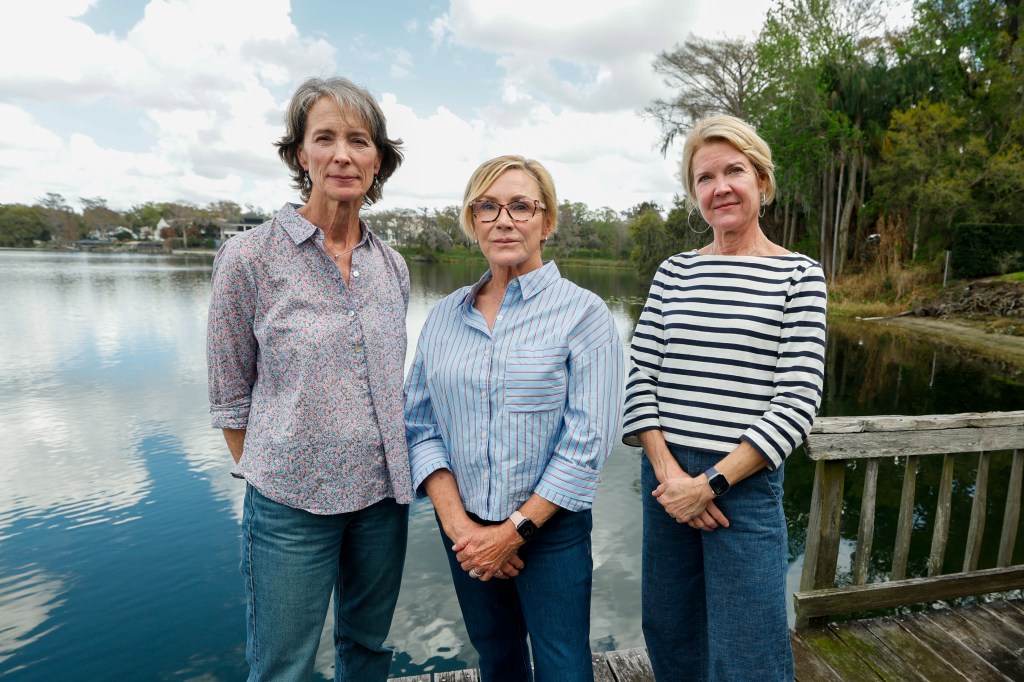
“I don’t think the city belongs in the restaurant business,” said Merrie Vandendriessche, whose lakefront home has a view of the garden.
Early plans, which are expected to cost between $40 million and $50 million if they come to fruition, include 500 parking spaces, a children’s garden, a performance pavilion, and a new welcome center with —perhaps most controversially — lakefront dining.
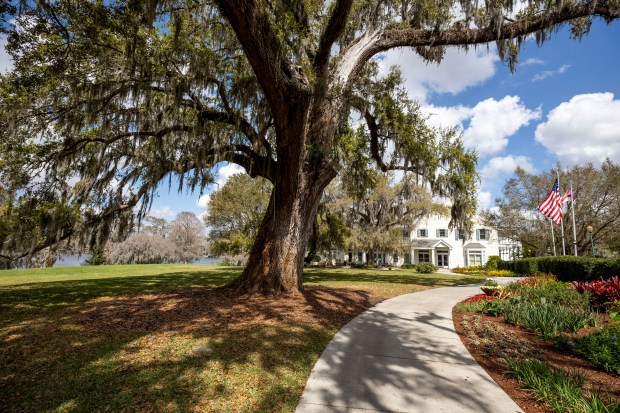 The visitor center, which was built in 1995, is being considered for an upgrade at Leu Gardens on March 5, 2026. The City of Orlando and Leu Gardens leadership are working on a new master plan that could include a new visitor center, garden upgrades and parking. (Patrick Connolly/Orlando Sentinel)
Leu Gardens, on the west edge of Corrine Drive, covers 50 acres on the shore of Lake Rowena. It was originally donated to the city in 1961 to be preserved in perpetuity as a botanical garden. It now has 15,500 botanical specimens and 3,551 species — including 800 varieties of edible plants, 300 species of palm, 50 species of bamboo and one of the nation’s largest collections of camellia. It also has a variety of themed gardens highlighting tropical plants, roses and butterflies.
The master planning process began last January after visitation doubled to 300,000 annually over the past decade, straining the existing visitors’ services and its aging infrastructure. A draft of the conceptual plan cites a 2024 parking study that determined the garden needed to vastly increase its parking from the current 218 spaces to 500.
Major events at the gardens include free admission days, the Jazz and Blues Festival, Dazzling Nights and this weekend’s Annual Plant Sale. All draw overflow crowds, forcing people to park in surrounding neighborhoods and the already congested Corinne Drive.
Leu Gardens executive director Jennifer D’hollander said the city has committed about $28.5 million toward the renovation effort, with Leu Gardens covering the balance through grants, donations and sponsorships. The gardens had a community meeting about the plan in October and D’hollander said there would be more public input before it moves forward.
Building a pavilion would move events such as weddings, outdoor concerts and movies from the lawn to a structure built to host them, she said, keeping them away from more sensitive garden areas. The plan also intends to invest in education and make nature more accessible to youth by creating a children’s garden with a space for play and hands-on learning.
“It’s a space where kids can climb over logs and roll down a grassy hill,” she said.
Neighbors said they had little issue with that part of the property’s mission. But D’hollander also envisioned a café that would be open during regular operating hours — and perhaps open later on certain days to accommodate its signature events.
Plans call for demolishing the existing welcome center, which currently has a Foxtail Coffee and Kelly’s Ice Cream counter, shifting the new building closer to Lake Rowena, and altering its shape.
The new center is envisioned to feature “lakeside dining, curated shopping, immersive exhibits, an outdoor performance area,” as well as space for weddings and other events.
“It’s too early to say exactly what that would be, but we are looking at the early success we’ve had with Foxtail on site,” D’hollander said. “We know our visitors want more opportunities to sit and enjoy the gardens and stay longer.”
Area residents worried the envisioned restaurant could be come a full-service establishment, serving diners well into the night, and that the pavilion would bring more traffic and noise to their neighborhood. It would also directly compete with popular eateries in nearby Audubon Park and Mills 50.
“I think the noise is concerning, and the traffic,” said Vandendriessche. “I just think that we really need to preserve green space. We don’t need another event space. We have plenty of event spaces in the city — we’re Orlando.”
Heather Godwin, who lives nearby, said neighbors need more clarity about the plan. She said she’d be less concerned if the restaurant were a small deli meant to serve people visiting the gardens, rather a magnet meant to draw in diners. Neighbors say they were told the café could seat 150 people.
“If it closed at 5, it wouldn’t be a problem,” she said. “But we’ve just had this really conflicting and contradictory information.”
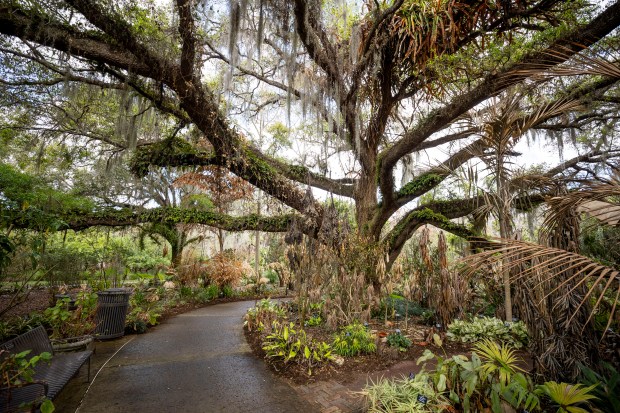 The Idea Garden could be the future site of a children’s garden at Leu Gardens on March 5, 2026. The City of Orlando and Leu Gardens leadership are considering a new master plan that could include a new visitor center, garden upgrades , garden upgrades and parking. (Patrick Connolly/Orlando Sentinel)
City Commissioner Roger Chapin shares their gripes. After meeting with D’hollander earlier this year, he wrote a letter to her stating his belief that a renovation could further the garden’s mission and shouldn’t stray from its nature-focused goals.
Opening a full-service restaurant in a city-backed facility would also create unfair advantages for the operator compared to somebody running a similar establishment nearby, he said. That could include reduced rent or capital costs, as well as benefits from events at the park and marketing associated with them.
“To boil it down, [my concern] is the over-commercialization of Leu Gardens,” Chapin said in an interview. “If there are 500 cars that show up on a daily basis, I don’t want 400 of them showing up for a restaurant, because then all we’ve done is built a restaurant.”
D’hollander stressed the conceptual plan was still an ongoing process.
“We want this to be something that the community wants,” she said. “We’re not trying to create another major tourist attraction. But we’re trying to provide the infrastructure that this beautiful, wonderful cultural asset needs so that it continues for another 65 years.”