
By Cynthia Bressan, Tikkun Economic Consulting
Luxury in real estate has traditionally been defined by prime location, exceptional design, premium materials, exclusive amenities, privacy, security, high market value and lifestyle prestige. In its conventional expression, luxury emphasizes comfort, status and exclusivity. But do these features truly reflect the meaning of luxury, especially in a complex, high-risk environment such as the state of Florida?
Florida’s prosperity has long been intertwined with its geography. Coastal living, warm weather and waterfront access have generated immense value, attracting both domestic and international buyers. Cities such as Miami, Naples and Palm Beach have become global symbols of lifestyle-driven investment. Yet the very environmental conditions that make these locations desirable also introduce structural volatility and rising long-term costs.
Sea-level rise and tidal flooding contribute to the gradual devaluation of properties located in flood zones. Hurricanes and storm damage lead to escalating repair expenses, insurance instability and climate-risk pricing. These are just some measurable realities that shape insurance markets, financing conditions, long-term property valuations and, ultimately, human safety.
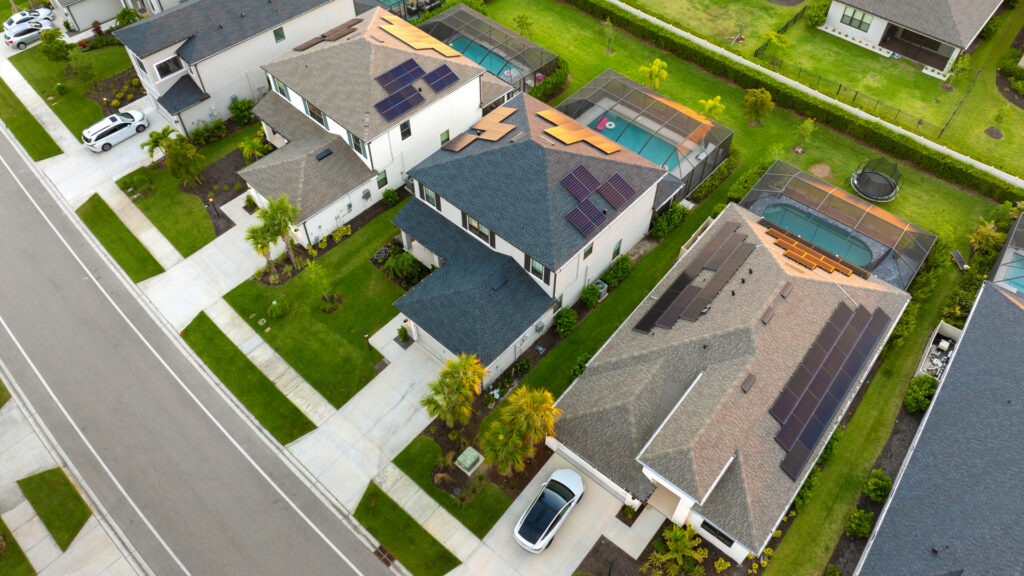 Solar panels on homes in southwest Florida (iStock image)
In an environment where climate risks are visible and quantifiable, durability, adaptability and resilience under stress are emerging as the true markers of modern luxury. This is where eco-friendly design redefines high-end real estate. Homes built with recyclable steel, reinforced lightweight concrete walls, high-impact windows and metal roofing offer superior energy efficiency, enhanced durability, and hurricane, fire and termite resistance.
Eco-friendly homes prioritize well-being through non-toxic materials, advanced air filtration systems, natural daylight optimization and biophilic design that integrates nature into living spaces. Increasingly, high-net-worth buyers value wellness-focused design more than decorative extravagance. It also enhances prestige and market differentiation through green certifications that add credibility, exclusivity and long-term investment appeal.
Beyond aesthetics, eco-luxury reflects climate responsibility, demonstrating innovation, leadership, social awareness and global accountability. Importantly, eco-friendly elements in real estate are not merely an environmental consideration; it carries significant economic benefits. While the initial cost of building or purchasing a sustainable home may be, in some cases higher, long-term savings often outweigh the upfront investment.
For example, energy-efficient homes equipped with solar panels and advanced insulation can reduce electricity costs dramatically. Solar power systems can lower electricity bills by 70% or more, depending on installation size and climate conditions, according to the U.S. Department of Energy.
Additionally, eco-friendly homes typically require less maintenance over time. Superior insulation, impact-resistant windows and durable materials extend a property’s lifespan and reduce renovation expenses. In this sense, sustainable luxury represents smart wealth: lower energy bills, reduced maintenance costs, higher resale value and protection against future energy price volatility.
 Cynthia Bressan
Recent market data confirms this shift. Realtor.com’s 2025 Home Trends Report indicates that efficiency, sustainability and nature-inspired design are gaining importance, while purely opulent or space-intensive features are declining in demand. This reflects a broader redefinition of comfort and value among American buyers. Insurance markets are already responding.
Many insurers now offer discounts for environmentally friendly homes, along with policy enhancements that cover the cost of rebuilding with green upgrades after a loss. Some providers offer up to 10% discounts on fire, water and theft coverage when homeowners install smart, eco-efficient systems. Meanwhile, traditional homes continue to bear the increasing financial burden of climate-related risks.
Florida’s real estate market is clearly evolving. Buyers are placing less emphasis on cosmetic upgrades and greater focus on structural safety and resilience. Sellers are upgrading properties before listing. Lenders and appraisers are incorporating resilience into property valuations. Builders are adjusting designs to meet shifting expectations.
In today’s climate reality, true luxury in Florida is no longer defined solely by ocean views or imported marble. It is defined by resilience, sustainability, wellness and long-term value. Luxury is no longer just about how a home looks, it is about how well it endures.
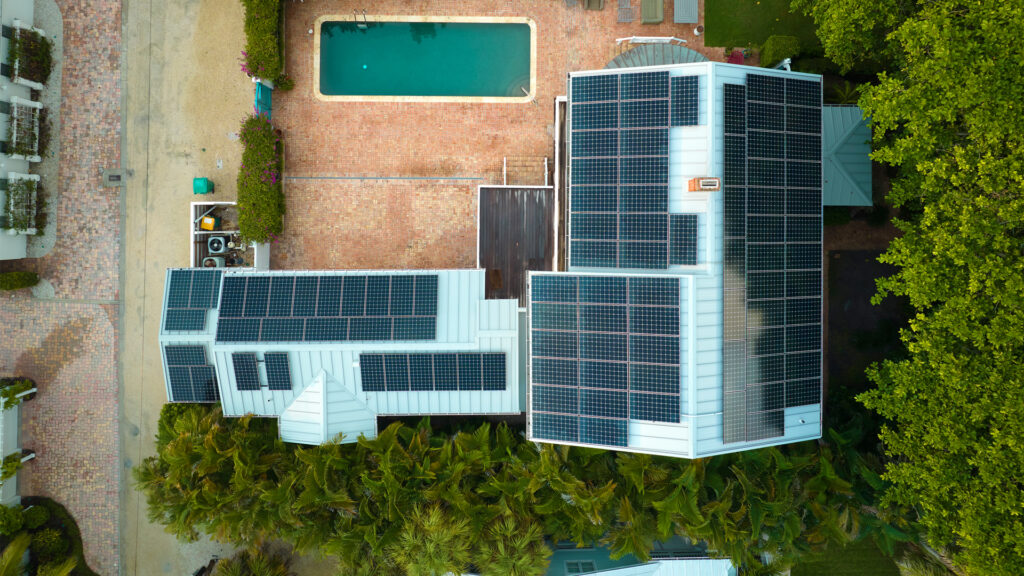
Cynthia Bressan is an economist who is the founder and CEO of Tikkun Economic Consulting. Banner photo: A home covered with rooftop solar panels (iStock image).
Sign up for The Invading Sea newsletter by visiting here. To support The Invading Sea, click here to make a donation. If you are interested in submitting an opinion piece to The Invading Sea, email Editor Nathan Crabbe.