
CAPE CORAL, Fla. (WINK)—Six years after the pandemic began, millions of people are still dealing with lasting symptoms known as long COVID.
The World Health Organization estimates about 6% of people who had COVID continue to experience complications. Those who have it are called “long haulers.”
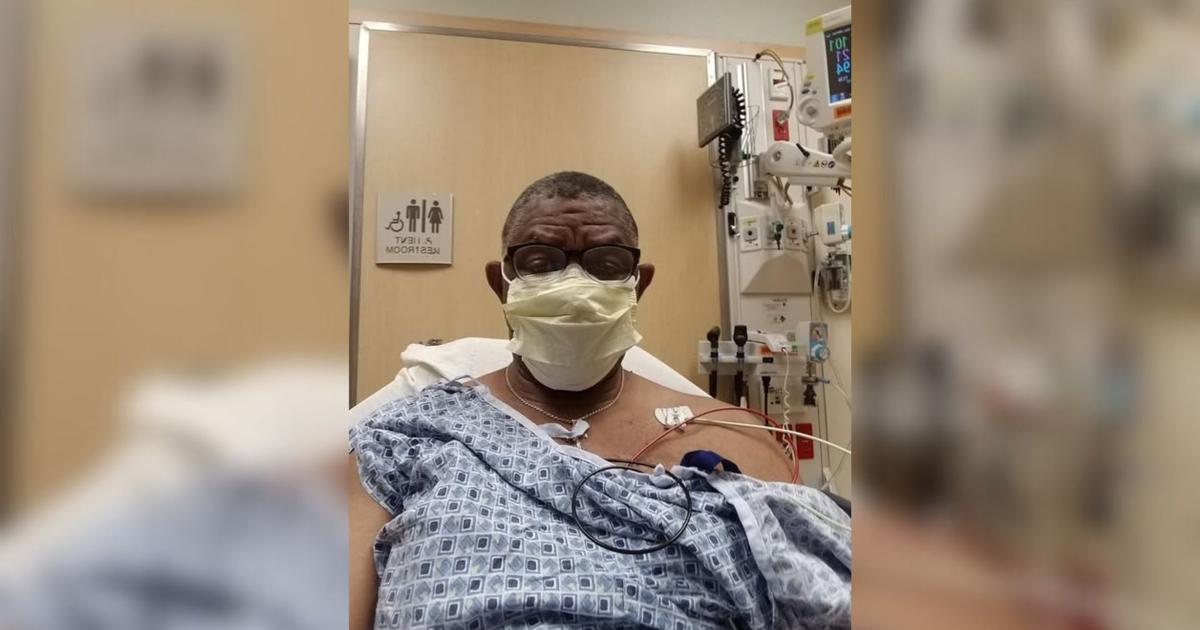
When Willie Miller was admitted to Cape Coral Hospital in June 2020, he thought he might not make it out. An early strain of COVID hit the local drummer hard.
“I got on the phone, called my family and said goodbye to them,” Miller said. “I was laying there in the bed surrounded by an oxygen tent over my head to help me breathe.”
Six years later, Miller says he’s still feeling the effects. The doctors told him he would probably be diagnosed as a long hauler.
“I do have trouble sometimes breathing, and especially if I get sick and stuff like that,” Miller said.
Dr. John Woytanowski is a pulmonologist with Cleveland Clinic. He says long COVID can look different for every patient.
“Something very mild, such as maybe they just can’t push themselves like they used to be able to to other symptoms that are more severe, such as an inability to even get out of bed or do their daily activities due to severe shortness of breath, chest pain, excessive fatigue,” Woytanowski said.
Dr. Woytanowski says severe COVID cases caused lasting damage to some patients’ lungs. But there’s still more to learn about what causes other symptoms.
“Some of the more ambiguous symptoms, things like chronic fatigue and brain fog, are a lot harder to explain, and there’s some theories,” Woytanowski said. “The leading theory is that there are micro blood microscopic blood clots that form that deprive the brain and other organs in the body of oxygen.”
Miller told WINK News despite his health struggles all these years later, it doesn’t stop him from keeping the beat up on stage with The Collaboration Band.
“No matter what, when it’s time for me to go and check out, I’ll probably be behind the drums when that happens,” Miller said.
Research from Cleveland Clinic shows people with severe cases of COVID, people 50 and older, women, Latinos and those with lower socioeconomic status are at higher risk of developing long COVID. The most common symptoms for long haulers are shortness of breath, extreme tiredness, dizziness and brain fog.
Other symptoms include sleep problems, headache, cough and a fast or irregular heartbeat. These symptoms can show up weeks or months after a person appears to have recovered from the virus.
It’s important to note long COVID is not contagious.