
Home » AIRLINE NEWS » Raleigh Joins New York, Newark, Boston, Philadelphia, Miami, Atlanta, Fort Lauderdale and More US Cities as Breeze Airways Launches New Airline Route to Punta Cana, Disrupting Caribbean Travel with Ultra-Low Fares Fast
Published on
March 21, 2026
By: Tuhin Sarkar
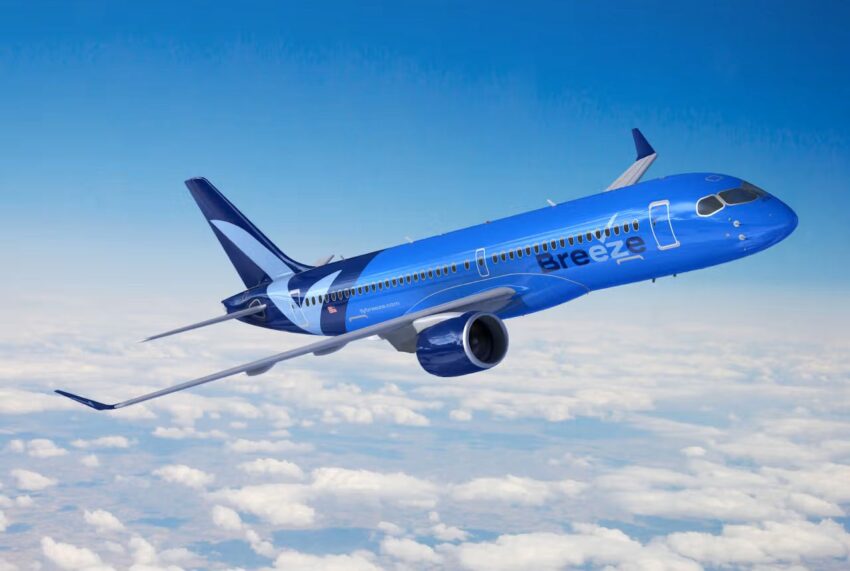
Image generated with Ai
breeze airways
Raleigh joins New York, Newark, Boston, Philadelphia, Miami, Atlanta, Fort Lauderdale and more US cities as Breeze Airways launches new airline route to Punta Cana. Raleigh joins New York, Newark, Boston, Philadelphia, Miami, Atlanta, Fort Lauderdale again. This new airline route to Punta Cana is bold. It is fast. It is disruptive. Breeze Airways launches new airline route to Punta Cana with ultra-low fares. Caribbean travel is shifting. Demand is rising. Therefore, Raleigh joins New York, Newark, Boston, Philadelphia, Miami, Atlanta, Fort Lauderdale to capture this surge.
Moreover, Breeze Airways launches new airline route to Punta Cana to unlock new markets. Ultra-low fares disrupt Caribbean travel fast. Travellers respond quickly. Airlines compete harder. Consequently, Raleigh joins New York, Newark, Boston, Philadelphia, Miami, Atlanta, Fort Lauderdale as this expansion accelerates.
However, this is not just growth. It is strategy. Breeze Airways launches new airline route to Punta Cana with precision. Ultra-low fares disrupt Caribbean travel fast and reshape pricing. This creates opportunity. It creates urgency.
Travel And Tour World urges readers to read the entire story. Because Raleigh joins New York, Newark, Boston, Philadelphia, Miami, Atlanta, Fort Lauderdale as Breeze Airways launches new airline route to Punta Cana is redefining Caribbean travel dynamics.
Why is Breeze Airways launching its Raleigh to Punta Cana route now?
Breeze Airways is entering a new phase. It is expanding beyond domestic routes. The Raleigh/Durham to Punta Cana service marks a major step. The launch begins on March 4. Timing is deliberate. Travel demand is rising. Leisure travel is recovering strongly. Passengers want affordable international options. Breeze Airways is targeting this demand. It is focusing on underserved routes. This strategy reduces competition. It also increases visibility. The airline is positioning itself as a disruptor. This move signals ambition. It reflects a shift towards international growth.
What makes Raleigh/Durham a key base for Breeze Airways?
Raleigh/Durham is a strategic choice. It is a growing airport. It serves a large population. However, it lacks many direct international routes. This creates opportunity. Breeze Airways is building a presence here. It is establishing operations. It is expanding connectivity. Passengers benefit from direct access. They avoid major hubs. This saves time. It improves convenience. The airport also supports efficient operations. It is less congested. This improves reliability. Raleigh/Durham is becoming a focus point. It supports Breeze’s long-term strategy.
Advertisement
Advertisement
Why is Punta Cana a high-demand destination for US travellers?
Punta Cana is a top leisure destination. It is known for beaches. It offers resorts and luxury stays. Travellers seek relaxation. The destination provides consistent demand. It attracts families and couples. It also appeals to budget travellers. The Caribbean remains popular year-round. Punta Cana stands out. It combines affordability with experience. Airlines target such markets. High demand ensures route viability. Breeze Airways is leveraging this. It is aligning its network with leisure trends.
Why are US cities rapidly expanding connections to Punta Cana?
US cities are accelerating their push into Punta Cana. Demand is surging. Travellers want beaches. They want quick escapes. Airlines are responding fast. Punta Cana offers high returns. It is stable. It is popular year-round. Therefore, US cities are adding direct flights aggressively. This reduces travel time. It increases convenience. Airlines see opportunity. They are targeting leisure demand. Competition is rising. New routes are opening. Existing routes are expanding. This trend reflects changing travel behaviour. Passengers prefer direct access. Punta Cana fits perfectly into this demand-driven strategy.
Which major US hubs dominate Punta Cana connectivity?
Major hubs lead the network. New York, Miami and Atlanta are key. These cities handle large passenger volumes. Airlines operate multiple daily flights. This ensures strong connectivity. Boston and Philadelphia also contribute significantly. These hubs support both leisure and connecting traffic. Their infrastructure is advanced. Operations are efficient. Airlines prefer these hubs. They maximise load factors. They also provide flexibility. Punta Cana benefits from this network strength. High-frequency routes ensure consistent passenger flow. This dominance is unlikely to weaken. Major hubs remain central to Caribbean travel.
How are low-cost airlines reshaping access to Punta Cana?
Low-cost airlines are transforming the market. Carriers like Spirit, JetBlue and Breeze Airways are expanding aggressively. They offer cheaper fares. This attracts budget travellers. It increases accessibility. More passengers can now travel. Low-cost models focus on efficiency. They operate selective routes. They maximise demand. This creates competition. Legacy airlines must respond. Pricing becomes dynamic. Consumers benefit. The market expands. Punta Cana becomes more accessible than ever. This shift is structural. It is not temporary. Low-cost carriers are now key players in Caribbean aviation.
What role do secondary US cities play in this expansion?
Secondary cities are gaining importance. Raleigh/Durham is a prime example. It now connects directly to Punta Cana. This reduces reliance on major hubs. Travellers save time. Airlines tap new markets. Secondary cities have untapped demand. They are less congested. Operations are smoother. Airlines benefit from lower costs. This model is growing. It reflects a shift in strategy. Point-to-point travel is increasing. Secondary cities are no longer ignored. They are becoming essential. This expansion broadens the network. It strengthens overall connectivity.
Why is Punta Cana such a powerful tourism magnet?
Punta Cana remains highly attractive. It offers beaches and resorts. It provides all-inclusive experiences. Travellers seek relaxation. The destination delivers consistency. Weather is favourable. Infrastructure is strong. Hotels cater to global tourists. Prices are competitive. This combination drives demand. Airlines recognise this. They prioritise such destinations. Punta Cana’s appeal is broad. Families, couples and groups all travel here. This diversity ensures steady demand. It reduces risk for airlines. It makes the destination a top priority.
How are airlines using aircraft strategy to optimise these routes?
Aircraft selection is crucial. Airlines deploy efficient narrow-body jets. These include modern aircraft like the A220 and 737 variants. They reduce fuel costs. They support medium-haul routes. Capacity is balanced. Airlines avoid overloading routes. This improves profitability. Passenger comfort is also considered. New aircraft offer better cabins. This enhances experience. Airlines align aircraft with demand. This ensures sustainability. It reflects strategic planning. Efficient aircraft drive route success.
What economic impact do these routes create for US cities and Punta Cana?
Economic benefits are significant. US cities gain outbound travel growth. Airports see increased traffic. Local businesses benefit. Punta Cana gains inbound tourism. Hotels and resorts see higher occupancy. Employment increases. Revenue grows. Tourism drives local economies. Airlines act as catalysts. They connect markets. They stimulate spending. This creates a positive cycle. More flights lead to more tourists. More tourists drive more demand. This strengthens both ends of the route.
Could this expansion continue in the coming years?
Growth is likely. Demand remains strong. Airlines will expand further. More cities may connect. Frequencies may increase. New carriers may enter. Competition will intensify. This benefits travellers. It also strengthens tourism. However, expansion will depend on performance. Airlines rely on data. They monitor demand closely. Growth will be controlled. It will be strategic. The trend is clear. Expansion will continue. Punta Cana will remain a key destination.
A booming corridor driven by demand and competition
US cities are rapidly connecting with Punta Cana. The cause is strong leisure demand. Travellers want direct, affordable options. The answer lies in airline expansion. Both legacy and low-cost carriers are responding. The reason is economic opportunity. Punta Cana offers consistent returns. This route network is growing fast. It is becoming more competitive. It benefits travellers and economies. The US–Punta Cana corridor is evolving. It reflects the future of leisure aviation. Direct, efficient and demand-driven.
How does airline competition impact fares and traveller choices?
Competition is intense. Airlines are fighting for market share. This drives pricing strategies. Fares become more competitive. Promotions increase. Travellers benefit directly. More options are available. Flight timings improve. Service quality rises. Airlines differentiate offerings. Some focus on comfort. Others focus on price. This creates variety. Consumers gain flexibility. They can choose based on preference. Competition strengthens the market. It ensures continuous improvement. Punta Cana becomes more accessible. This fuels further demand.
What seasonal trends influence US to Punta Cana travel?
Seasonality plays a role. Winter months see peak demand. Travellers escape cold climates. Summer also attracts families. Airlines adjust schedules accordingly. They increase flights during peak periods. They reduce during off-peak times. This optimises capacity. It improves profitability. Seasonal adjustments are critical. They ensure balance. Punta Cana benefits from year-round demand. However, peaks are more intense. Airlines plan carefully. This ensures efficient operations. It also maintains service quality.
How does the Airbus A220-300 support this route?
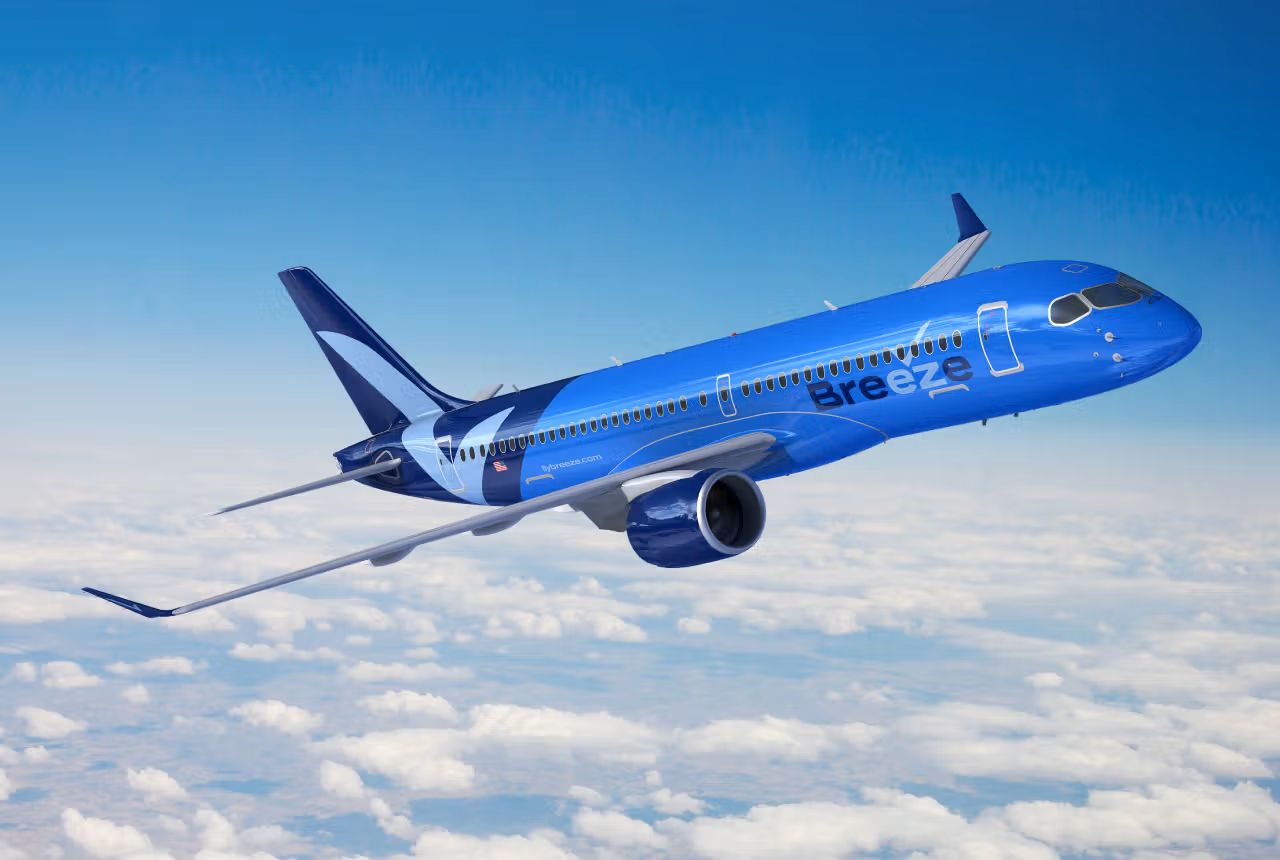
The Airbus A220-300 is central to this service. It is modern. It is fuel efficient. It supports medium-haul flights. Operating costs are lower. This allows competitive pricing. The aircraft also offers passenger comfort. Cabins are spacious. Noise levels are reduced. This improves the travel experience. Airlines prefer efficient aircraft for new routes. It reduces risk. It improves profitability. The A220-300 fits Breeze’s model. It enables low-cost operations with quality service.
What does the twice-weekly frequency reveal about demand strategy?
The route operates twice weekly. This is a calculated decision. It reflects a leisure-focused model. Demand peaks on specific days. Airlines align schedules accordingly. This maximises load factors. It reduces empty seats. It also limits operational costs. Breeze Airways is testing the market. It is observing demand patterns. If demand grows, expansion may follow. This approach is flexible. It allows adjustment. It ensures sustainability. It reflects disciplined planning.
Who are the primary passengers for this new service?
The route targets leisure travellers. Families and holidaymakers are key. Budget-conscious passengers are also important. Breeze Airways offers competitive fares. This attracts price-sensitive travellers. Couples seeking short breaks are another segment. The route also supports group travel. Friends travelling together benefit from direct flights. Business travel is limited. The focus is leisure. This aligns with Punta Cana’s profile. The passenger mix supports steady demand. It ensures route viability.
How does this route impact Caribbean tourism flows?
New routes increase accessibility. This benefits tourism. Punta Cana gains more visitors. Raleigh/Durham gains outbound options. Travellers can reach the Caribbean directly. This reduces travel time. It improves convenience. Tourism becomes more accessible. This encourages travel. It boosts local economies. Hotels and resorts benefit. Airlines play a key role. They shape tourism flows. This route contributes to regional growth. It strengthens connections.
What competitive advantages does Breeze Airways gain?
Breeze Airways is entering a less crowded market. Direct routes from Raleigh/Durham are limited. This gives the airline an advantage. It can capture early demand. It can build customer loyalty. Lower fares increase appeal. Simplicity is another factor. Direct flights reduce complexity. Passengers prefer convenience. Competitors may respond later. But early entry matters. It establishes presence. It builds brand recognition. Breeze strengthens its position.
How does this route fit into Breeze Airways’ broader expansion plan?
Breeze Airways is growing steadily. It is expanding beyond domestic routes. International destinations are the next step. The Caribbean is a logical choice. It offers strong demand. It aligns with the airline’s model. Breeze focuses on underserved routes. It avoids major hubs. This reduces competition. It increases efficiency. The Raleigh to Punta Cana route fits this strategy. It supports long-term growth. It reflects calculated expansion.
Could this route expand further in the future?
Expansion depends on performance. If demand is strong, frequency may increase. Additional routes could follow. Breeze Airways may connect more Caribbean destinations. Aircraft capacity could also rise. Partnerships may develop. Marketing efforts will influence growth. However, decisions will be data-driven. Load factors and revenue will guide expansion. The potential exists. But growth will be controlled. It will be strategic.
What does this launch reveal about the future of low-cost international travel?
Low-cost travel is evolving. Airlines are expanding internationally. Secondary cities are gaining importance. Passengers want affordable options. They want direct routes. Breeze Airways is responding. It is creating new connections. This reflects broader trends. Efficiency is key. Flexibility is essential. The industry is changing. Low-cost carriers are entering new markets. This increases competition. It benefits travellers.
A bold step into international expansion
Breeze Airways is making a strategic move. The cause is rising demand for affordable travel. The answer lies in targeted route expansion. The Raleigh to Punta Cana service reflects this. The reason is long-term growth. The airline is building a new network. It is focusing on efficiency. It is reducing risk. This route strengthens connectivity. It supports tourism. It enhances competition. Breeze Airways is positioning itself for the future. The Caribbean becomes more accessible. Raleigh gains global reach. This is how modern aviation evolves.
The cause is clear. Demand for affordable, direct Caribbean travel is surging. Raleigh joins New York, Newark, Boston, Philadelphia, Miami, Atlanta, Fort Lauderdale as Breeze Airways launches new airline route to Punta Cana to meet this demand. The answer lies in ultra-low fares and direct connectivity. This model attracts travellers and increases competition. The reason is strategic expansion. Airlines must capture emerging markets and underserved cities. Ultra-low fares disrupt Caribbean travel fast, but they also drive growth. This route strengthens connectivity, boosts tourism and reshapes pricing dynamics, making Punta Cana more accessible and competitive than ever before.
