
ST. PETE BEACH, Fla. — St. Pete Beach city commissioners are moving forward with a new wireless infrastructure ordinance, but frustrated residents say the rules fall short after the city attorney removed language that would have made a 40-foot setback mandatory.
The commission voted 4-1 during a March 9 meeting to adopt Ordinance 2026-03. The new rules encourage a 40-foot setback from residential dwellings and require a 500-foot separation between wireless facilities wherever technically feasible.
WATCH: Residents frustrated as future of St. Pete Beach 5G mandatory setbacks loom
St. Pete Beach residents push for setback rules on 5G towers
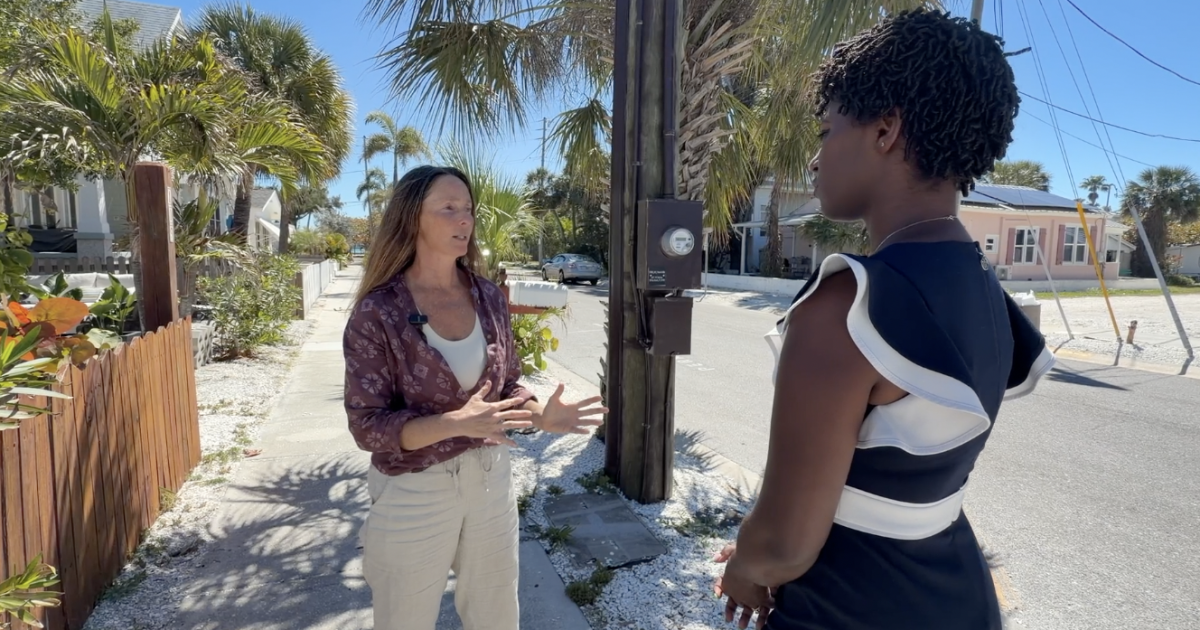
Residents in the historic Pass-a-Grille neighborhood have spent the past year and a half pushing for strict, mandatory rules.
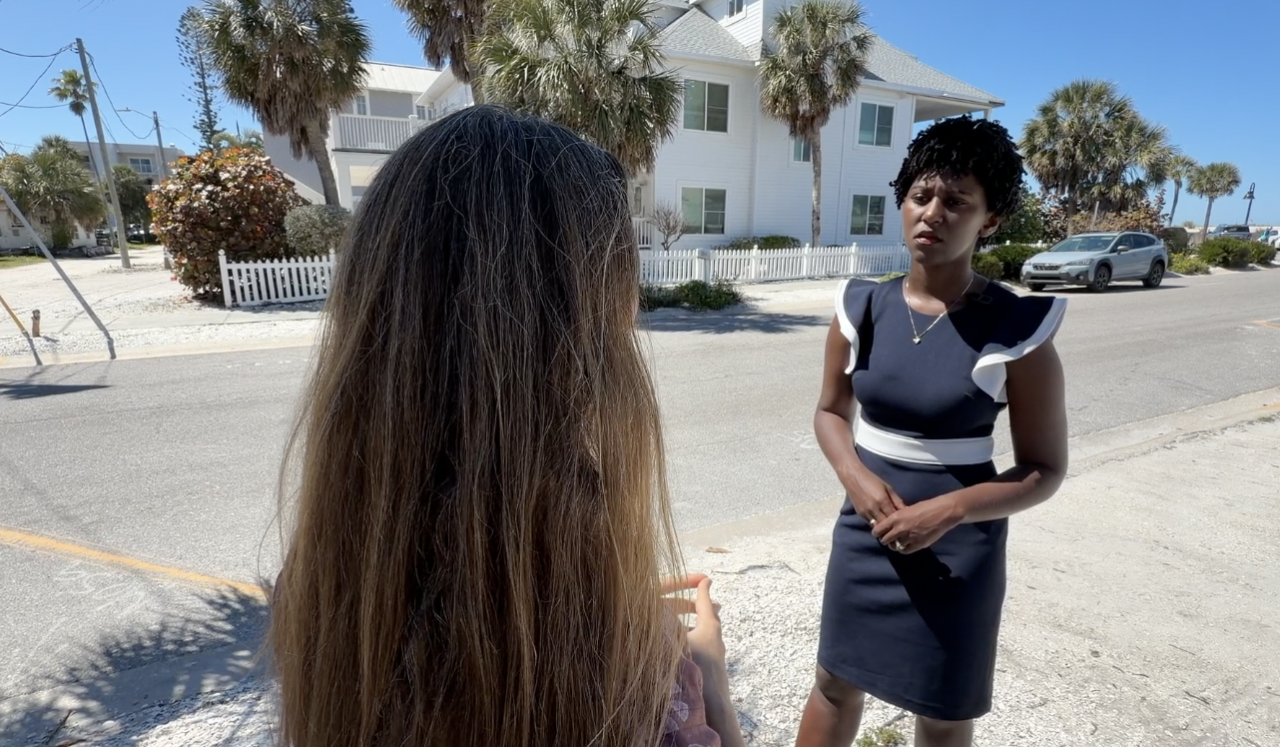
Lauren Monas, a local resident, said the community demanded a 40-foot mandatory setback in residential right-of-ways to prevent towers from falling on houses, catching fire, or lowering property values. Monas said the city commission previously voted to adopt a 40-foot setback that commissioners intended to be mandatory.
However, residents say they later discovered that City Attorney Ralf Brooks had altered the language to state that the city “strongly encourages” the setback and had omitted utility poles from the ordinance.
“The intention behind the vote for all of the commissioners was a mandatory setback, and he took it upon himself to put his own language,” Monas said.
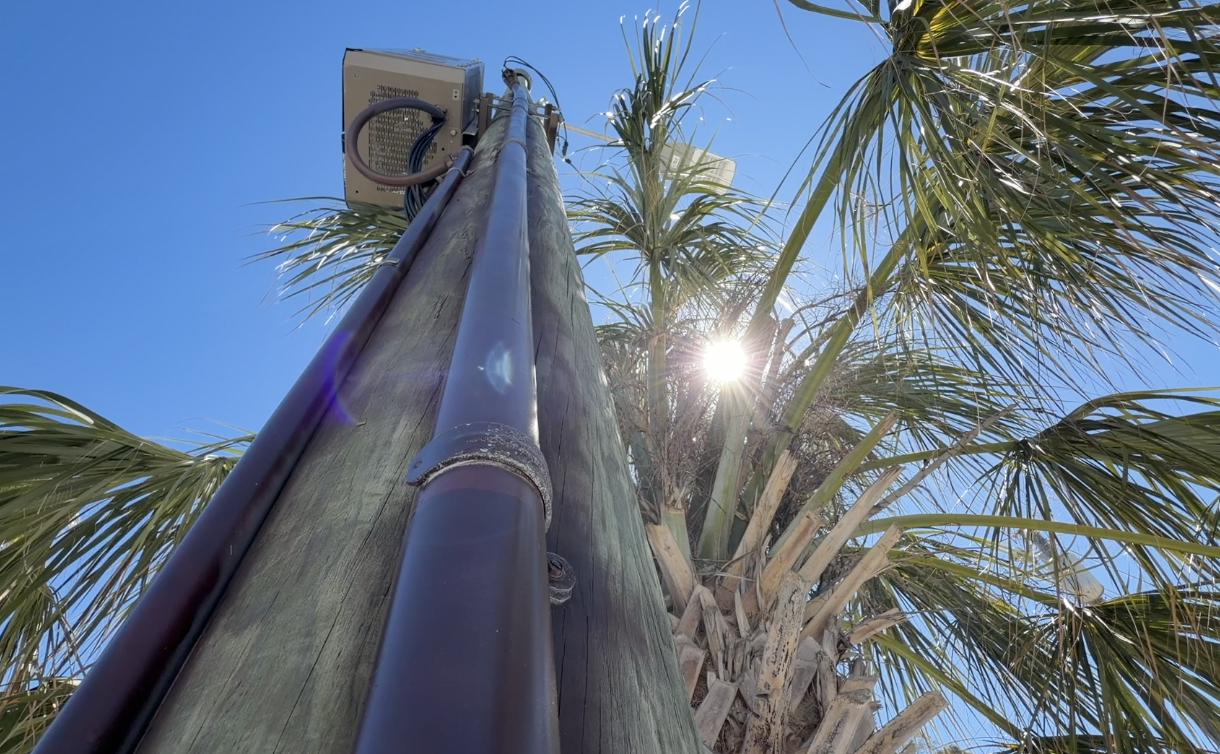
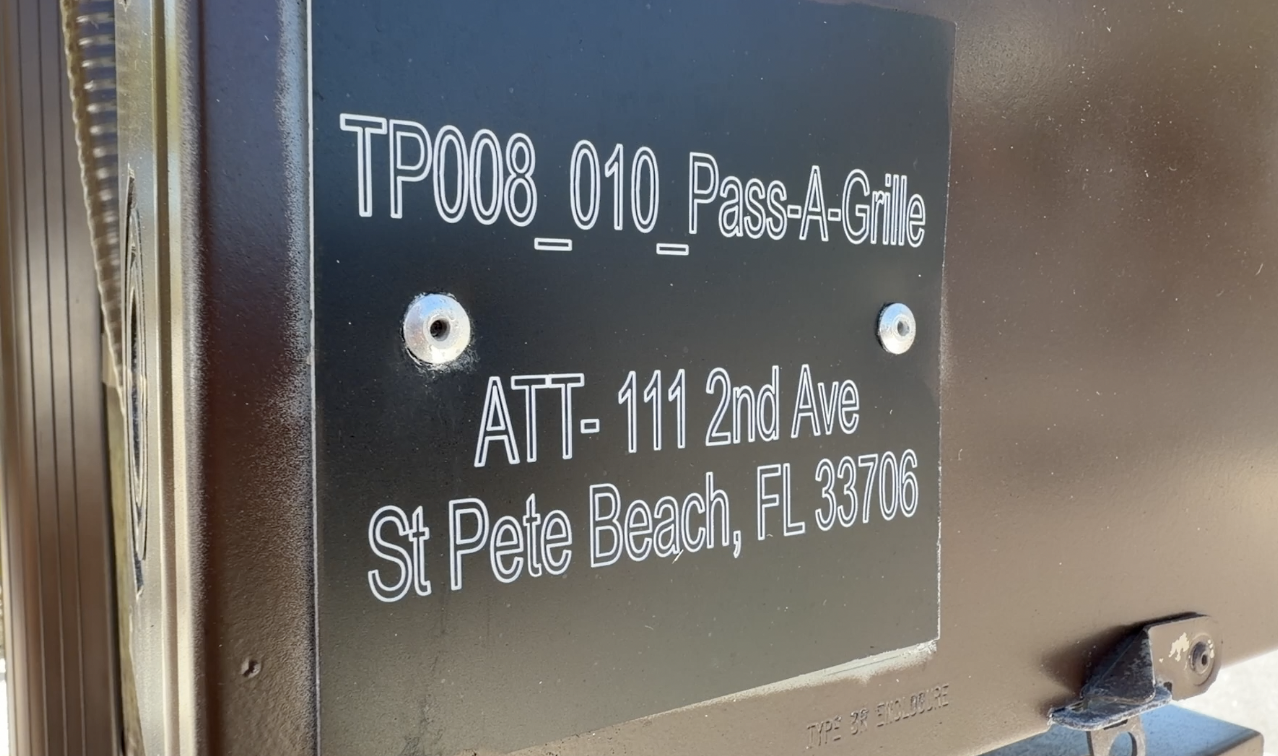
Roger Houde bought his home 35 years ago. About four months ago, crews installed a 50-foot utility pole with cell equipment just 36 feet from his front door.
“It belongs in an industrial park or on a hotel, not in a quaint little town like this,” Houde said.
Houde said his cell service has significantly worsened since the installation. He also expressed concerns about the potential health impacts of sleeping close to the equipment and the physical danger the pole poses during severe weather. Houde previously lost a home to a hurricane.
“If this ever comes over, it’s going through the house,” Houde said.
WFTS
During the meeting, City Planner Brandon Barry presented a staff recommendation of a 30-foot setback, noting it is easier to accommodate in Pass-a-Grille’s shallow right-of-ways. However, Barry confirmed that while average poles are 40 to 45 feet tall, antennas mounted on top can push the total height to 53 feet.
Commissioner Jon Maldonado used a tape measure to visually demonstrate that a 30-foot setback is a safety hazard for a 50-foot pole.
“If something falls at 40 feet when we’re recommending 30, then it’s pointless,” Maldonado said.
Scott McCullough, a telecommunications lawyer representing the residents, argued that a 30-foot setback is ineffective. McCullough said a falling pole would hit a house, potentially causing electrical fires and spreading heavy debris.
Other commissioners raised aesthetic concerns. Commissioner Betty Rzewnicki warned against creating a “forest of poles” in the city if placement is not limited.
WFTS
Despite the push from residents and some commissioners, the mandatory setback language did not pass. The commission adopted the ordinance with Brooks’ modified language, which encourages a 40-foot setback but allows for a negotiation period and variances.
The commission did vote to add the 500-foot separation requirement between wireless facilities, despite legal warnings.
Brooks warned the commission that the 500-foot separation requirement likely violates Florida state law, which prohibits cities from limiting the placement of small wireless facilities based on minimum separation distances. Brooks said the city could face a facial legal challenge and be forced to pay telecommunications companies’ attorneys’ fees.
Matt Mucci, a representative for AT&T, agreed with the legal warning during the meeting.
“What is being suggested will be in direct violation of state statute about what we are allowed to do in right-of-ways,” Mucci said.
WFTS
Vice Mayor Karen Marriott was the sole dissenting vote, citing the financial risk of a legal battle over the separation requirement.
“I don’t feel like we’re a big enough city with a big enough budget to take that risk,” Marriott said.
To mitigate the risk, Brooks included a severability clause in the ordinance. If a court strikes down the 500-foot separation rule, the 40-foot setback guideline and other provisions will remain in effect.
Residents are now taking their fight to the state level. Monas said they drafted an amendment to Florida Statute 337.401 with the help of lawmaker Karen Pittman and are currently seeking sponsors. Monas said the effort has support from Surgeon General Dr. Joseph Ladapo.
Ahead of the next city commission meeting on Tuesday, Monas said she fears a newly sworn-in commission will be unfamiliar with the residents’ year-and-a-half-long fight. She worried the city attorney’s changes could force the ordinance back to square one for new readings, a move she called “very unfair” to the community.
Share Your Story with Jada
Jada Williams is focused on the issues that matter most to people in Hillsborough County. From downtown Tampa to Apollo Beach, Jada works to bring you updates and solutions on everything from crime to infrastructure. Reach out to Jada below with your concerns for your neighborhood.
.

‘Suspicious’ house fire leaves 1 woman dead, 1 hospitalized in Coquina Key: SPPD
A woman is dead, and two others were hospitalized after a fire broke out at a home in the Coquina Key area on Sunday, according to St. Petersburg Fire Rescue (SPFR).
1 woman dead, 2 others hospitalized after Coquina Key house fire: SPFR