
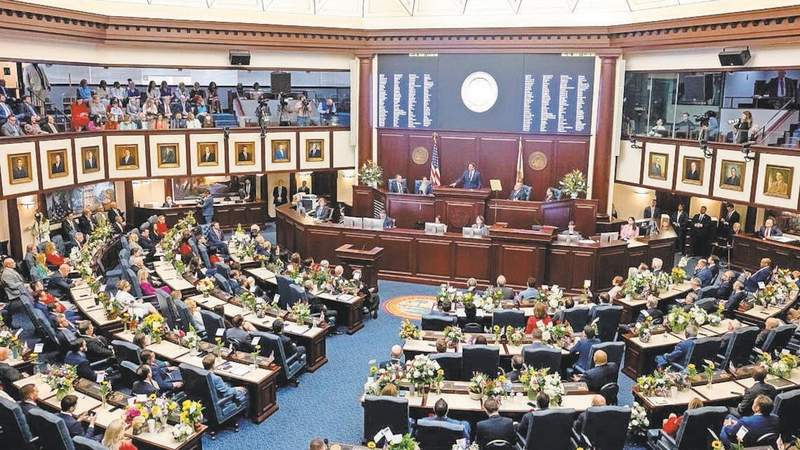
The Florida Legislature ended its annual regular session this month, and once again, Floridians were the biggest losers. Despite the cost of living being top of mind for many voters, lawmakers did virtually nothing to ease Florida’s affordability crisis. It’s a grim reflection of where Florida’s democracy stands and of the cynicism perverting the lawmaking process.
It wasn’t supposed to end this way. For months, poll after poll captured the public’s building frustration with rising housing costs, electricity bills, insurance premiums and other routine expenses. This legislative session was supposed to be different. With elections looming this year, many voters expected lawmakers to be proactive and consumer-friendly. That certainly was the rhetoric in the run-up to the session. Legislators sure had plenty of targets. But those pocketbook priorities fell apart.
Instead, lawmakers approved legislation to give Gov. Ron DeSantis more authority to crack down on what he deemed as “terrorist groups.” They struck deeper at diversity efforts, tightened the rules for Floridians to vote and passed stricter limitations on public sector unions. Lawmakers found time to debate whether to replace the mockingbird with the American flamingo as Florida’s official state bird, and took further steps to politicize education by clearing the way for Hillsborough County to make its appointed school superintendent an elected position.
But lawmakers did little to confront Florida’s high cost of living. Efforts to drive down insurance and utility rates failed. Lawmakers couldn’t agree on a property tax-cutting proposal to present to voters in November, postponing that debate to sometime later this year. A House bill to police profit-shifting by insurance companies died in the Senate, while lawmakers virtually ignored legislation that would have required state regulators to consider affordability when vetting utility rate increases. Both chambers also approved a bill that bans local governments and state universities from adopting net-zero policies on climate-warming greenhouse gas emissions, which only raises the risks and costs of living in hurricane-prone Florida.
Floridians couldn’t have been clearer in recent months about what they wanted from Tallahassee. Nearly half of the state’s residents were considering moving elsewhere because of Florida’s punishing costs, according to a Florida Atlantic University survey in November. The survey found that while Florida was attracting new residents, many current residents felt caught in a “sunshine squeeze,” gripped enough with anxiety over cost of living to consider leaving the state. A new poll this month by the University of North Florida echoed those findings; 50% of respondents said affordability and the cost of living are the most important problems facing Florida today, far outdistancing other hot-button issues, such as immigration.
So why the disconnect, and where does it stop?
Legislators are indifferent because gerrymandered districts allow them to be. The seats are so skewed that most legislators can effectively write off half the electorate. How else do you explain how a Republican party that accounts for 41% of Florida’s registered voters enjoys a supermajority in Tallahassee? Incumbents don’t even worry during election years. That’s why utilities, insurers and other special interests donate your hard-earned dollars to the campaigns of politicians who’ve rarely lifted a finger on your behalf.
The cycle stops when voters start to value their voice in the political process. That means paying less attention to a candidate’s party identity than to their agenda and record. Legislators won’t be accountable unless they’re forced to be. What has your legislator done to temper utility, insurance and housing costs? When was the last time he or she hosted a town hall? Elections are the opportunity to act like an employer during a job interview. Every person we send to the Capitol matters.
Of course, you don’t change the inertia overnight. But Florida has promising candidates every election cycle. With one around the corner, it’s time to start listening and asking questions. Expecting better from the same old crowd simply won’t happen.