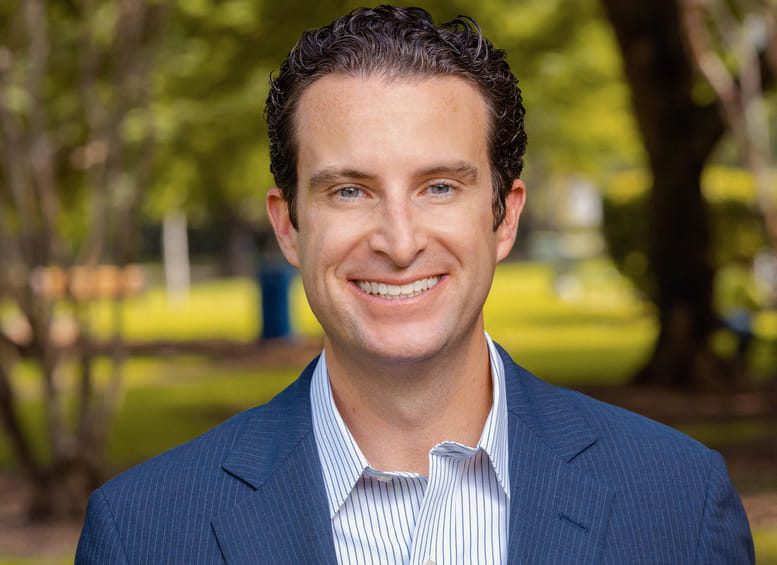
 Daniel Diaz Leyva
As a lifelong resident of Coral Gables, and one-time political candidate, I write today not as a partisan voice, but rather a passionate and concerned member of our community.
On Apr. 21, 2026, a ballot referendum will be mailed to residents of The City Beautiful proposing eight amendments to our charter — the constitutional framework of our local government. These are not symbolic questions. They are structural decisions that will shape how power is exercised, how public money is protected, and how accountable our leaders remain to the people they serve. Ultimately, how we govern ourselves matters just as much as who governs us.
When charter amendments appear on a ballot, it is tempting to view them as technical or procedural. They are not. Rather, these are moments of opportunity for voters to exercise the most fundamental right a democracy affords…a meaningful say in how our government operates.
Although our national Bill of Rights contain universal truths and impeccably crafted guidelines, one cannot imagine the upcoming 250-year American anniversary without subsequent amendments that reflected evolving societal needs, social mores and economic realities.
Similarly, charter amendments are about reflecting on our laws and ensuring collective participation, transparency, fiscal discipline, and democratic legitimacy. In short, they are about the kind of city we want Coral Gables to be — not just today, but for the next generation.
With that in mind, here are my perspectives on the proposed amendments with which voters will have to wrestle.
SUPPORT: Moving municipal elections to November
Moving municipal elections to November aligns our local elections with higher-turnout cycles and reduces costs. A government chosen by more voters is a government that better reflects the full voice of the community. Participation strengthens legitimacy. I understand the counter-point that local issues may get swept up in more dramatic national elections, but the benefits will ultimately far outweigh the detriments.
SUPPORT: Requiring voter approval for future election date changes
Equally important is the proposal to prohibit future changes to election dates by ordinance. Charter-level decisions must belong to voters. Embedding that principle into our charter ensures that fundamental rules of governance cannot be altered without public consent. That is not a partisan position; it is a rule-of-law position.
SUPPORT: Protecting the 25 percent General Fund Reserve
Fiscal discipline is also on the ballot. The proposal to require a 25 percent general fund reserve — and to mandate voter approval before reserves are amended or spent outside emergencies — is a best-practice safeguard. Strong reserves protect our bond ratings, our property values, and our ability to respond to hurricanes or economic downturns. Responsible governance is not reactive; it proactively envisions the future and plans accordingly.
SUPPORT: Authorizing an Independent Inspector General
The authorization of an independent Inspector General strengthens institutional accountability. Oversight mechanisms build trust. They ensure that transparency is not merely promised but enforced. Well-governed cities invest in these guardrails.
SUPPORT: Voter approval for elected official compensation changes
The proposal requiring voter approval before elected officials increase their own compensation beyond cost-of-living adjustments is a commonsense reform. Public service is a trust. Structural accountability reinforces that trust.
SUPPORT: Regular Decennial Charter Review
Establishing a formal Charter Review Committee every 10 years ensures that our governing document evolves thoughtfully rather than reactively. Well-governed cities do not wait for crises to modernize their institutional framework.
OPPOSE: Unilateral removal of advisory board members
Allowing a single commissioner to remove their appointed board members “for any reason,” without a public vote or discussion, would weaken transparency and risk politicizing volunteer service. Advisory boards function best when members are empowered to exercise independent judgment — not when their continued service depends on personal loyalty or worse, professional agendas. Removal authority already exists via majority vote of the Commission. The process includes accountability, and we shouldn’t replace it with unilateral power.
OPPOSE: Eliminating run-off elections
Eliminating run-off elections raises serious concerns. Run-offs ensure that mayors and commissioners earn majority support, not merely a plurality in a fragmented field. In a community that values consensus and legitimacy, majority rule matters. Cost savings alone do not justify reducing the democratic threshold required to lead our city.
Reasonable people can disagree on individual questions. But what should unite us is this: these decisions belong to the voters. Mail ballots already are being distributed. Participation in municipal referenda is often lower than it should be, yet these structural questions can have consequences that last decades. Whether you support or oppose particular amendments, your voice deserves to be counted.
Coral Gables has long distinguished itself through thoughtful planning, fiscal responsibility, and civic engagement. We are a city that values institutions, respects process and expects accountability. That tradition only continues if we show up.
I encourage every registered voter in Coral Gables to carefully review the ballot, consider the long-term implications of each proposal, and return your mail-in ballot promptly. Do not assume others will decide for you.
Local governance shapes our quality of life in tangible ways — from public safety and infrastructure to property values and neighborhood character. But beyond those daily realities lies something even more important: the integrity of the system itself. This referendum is about shaping the institutional guardrails that will strengthen that very system.
Daniel Diaz Leyva is a City of Coral Gables resident and voter
ABOUT US:
For more Miami community news, look no further than Miami Community Newspapers. This Miami online group of newspapers covers a variety of topics about the local community and beyond. Miami’s Community Newspapers offers daily news, online resources, podcasts and other multimedia content to keep readers informed. With topics ranging from local news to community events, Miami’s Community Newspapers is the ideal source for staying up to date with the latest news and happenings in the area.
This family-owned media company publishes more than a dozen neighborhood publications, magazines, special sections on their websites, newsletters, as well as distributing them in print throughout Miami Dade County from Aventura, Sunny Isles Beach, Miami Beach, Coral Gables, Brickell, Coconut Grove, Pinecrest, South Miami, Kendall, Palmetto Bay, Cutler Bay and Homestead. Each online publication and print editions provide comprehensive coverage of local news, events, business updates, lifestyle features, and local initiatives within its respective community.
Additionally, the newspaper has exclusive Miami community podcasts, providing listeners with an in-depth look into Miami’s culture. Whether you’re looking for local Miami news, or podcasts, Miami’s Community Newspapers has you covered. For more information, be sure to check out: https://communitynewspapers.com.
If you have any questions, feel free to email Michael@communitynewspapers.com or Grant@communitynewspapers.com.
Connect To Your Customers & Grow Your Business