
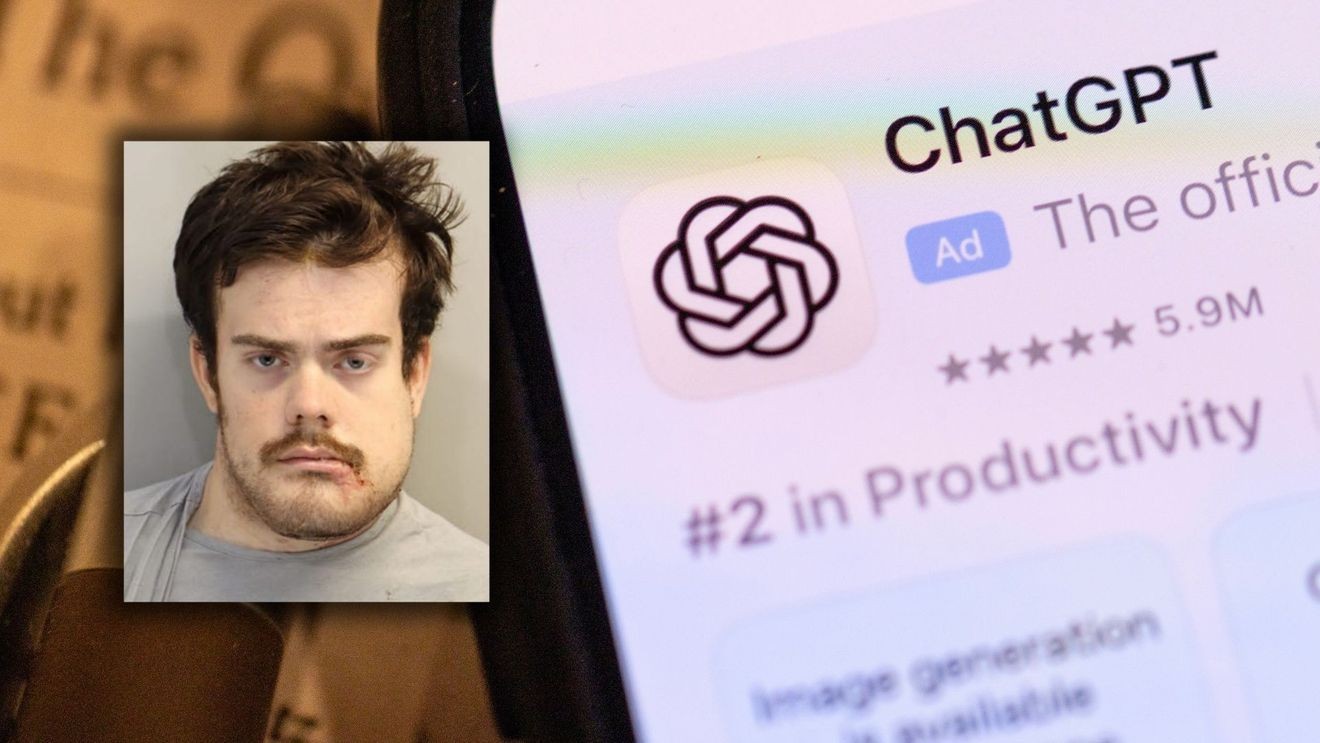
TALLAHASSEE, Fla. (WCTV) — Attorneys for one of the victims killed on Florida State University’s campus nearly a year ago plan to file a lawsuit against ChatGPT, claiming the suspected gunman had “constant communication” with the AI chatbot before the shooting.
The law firm of Brooks, LeBoeuf, Foster, Gwartney and Hobbs is representing the family of Robert Morales, a Tallahassee resident who lost his life after accused FSU shooter Phoenix Ikner opened fire on FSU’s campus on April 17.
Morales was one of two victims who died in the shooting. Tiru Chabba, a South Carolina father, also lost his life.
In a statement sent to WCTV Monday morning, Ryan Hobbs and Dean LeBoeuf with the local law firm said that they “have reason to believe that ChatGPT may have advised the shooter how to commit these heinous crimes.”
We have been advised that the shooter was in constant communication with ChatGPT leading up to the shooting. We also have reason to believe that ChatGPT may have advised the shooter how to commit these heinous crimes. We will therefore file suit against ChatGPT, and its ownership structure, very soon, and will seek to hold them accountable for the untimely and senseless death of our client, Mr. Morales.
Court records show there are more than 270 open AI photos and ChatGPT conversations listed as exhibits in the case. Those were referenced in the state’s answer to discovery filings dated July 31, 2025, but the content of the messages isn’t yet known.
John Creamer, the deputy executive director for the Florida Deputy Sheriffs’ Association, says AI has been a blessing and a curse for law enforcement. AI can help write reports and predict future crimes, but it can also reinforce an already unstable mind.
”So AI, ChatGPT, and all these other types of computer-based technologies have been around for decades. They’re just really permeating the public sector, especially in first responders,” Creamer said. “Oh my God, I hate to say this, but law enforcement needs to worry about everything related to AI and ChatGPT.”
FDSA’s podcast, “A Tactical Pause,” actually recently had an episode on AI. Creamer says it’s more important than ever that human eyes look over the final product of what the computer spits out.
Creamer shared a story that when his brother died last year, AI bots swarmed his phone. He believes that if he hadn’t had a strong support system, things could have spiraled.
“So if I had no friends and my mom didn’t love me and I needed to talk to somebody about grief, there are grief chatbots that are out there. However, somebody programmed them and if they’re machine learning, they’re growing, they’re not accurate,” he said. “So they might give me erroneous information and push me down a road to do something that’s unprecedented to myself or to others.”
At the same time, Creamer said all evidence suggests officers responding to campus did the right thing. Within three minutes, police were engaging the shooter. Creamer draws that in contracts to the school shooting in Uvalde, Texas, where officers waited to go in.
“And I’ll be candid with you, as a first responder, I don’t want to be a part of anything that’s associated with Uvalde,” he said. “It’s not going to happen while I’m working. And I guarantee that all the first responders that were involved in Florida State that day said not today.”