
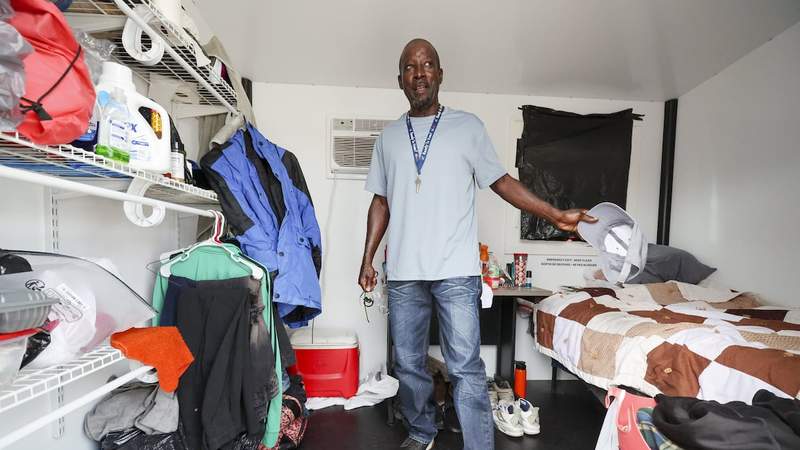
When Tony Haire moved from a tent into a tiny home earlier this year, the first thing he noticed was the air conditioning.
“I like the privacy, too,” he said from a corner of his 70-square-foot cottage at Tampa Hope, a homeless shelter tucked into an industrial corner of the city.
There’s a bed for sleeping and shelves to store his things; a door to close when he wants to be alone; a window looking out onto rows of neighbors in their own little white homes.
“When I get housing and move out of here, I’m gonna come back and volunteer,” said Haire, 63. “To give back, because they give you a lot here.”
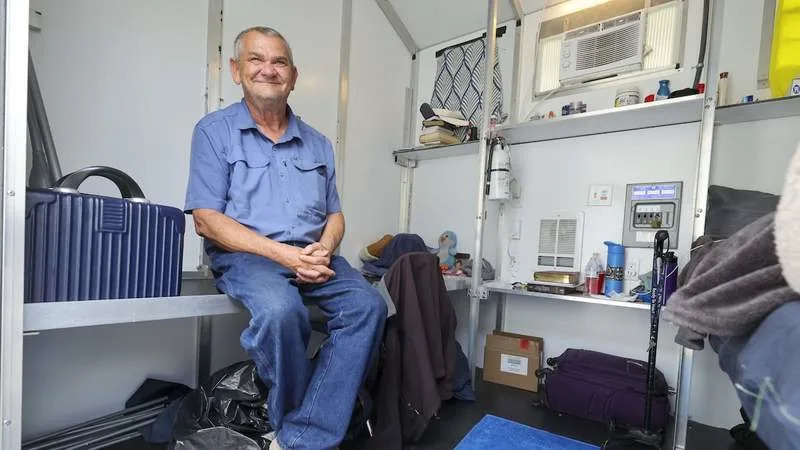
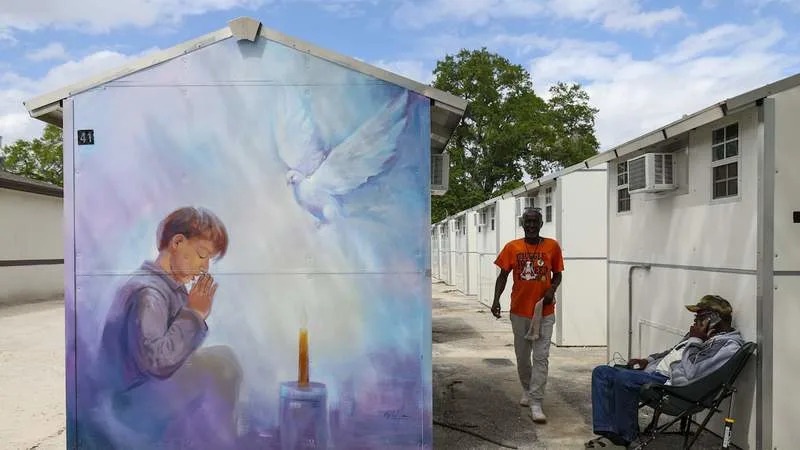
Haire is one of the first to live in Tampa Hope’s 100 new cottages, larger and better equipped than the dozens already on their property. Now, with more than 200 cottages and 116 single-occupancy tents, the site can provide transitional housing to more than 350 people.
The sprawling shelter, operated by Catholic Charities Diocese of St. Petersburg, offers meals, counseling and social services, too.
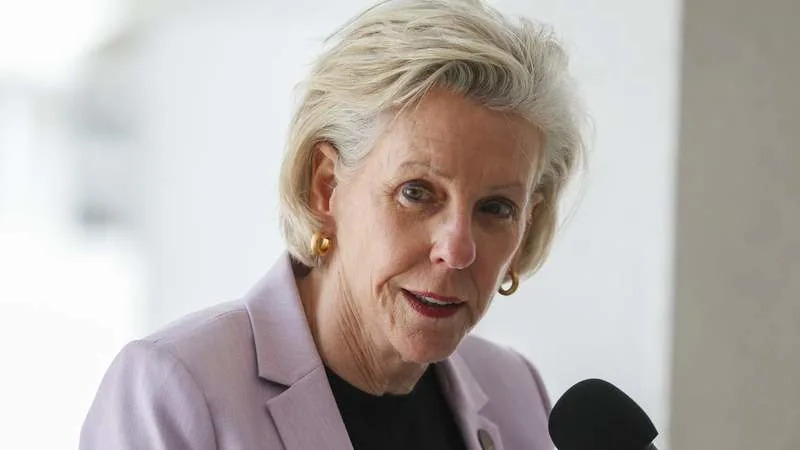
The city gave $1.2 million for the new cottages, Tampa Mayor Jane Castor said at a news conference on Wednesday. She praised the shelter’s commitment to addressing the needs of each resident.
“Not just providing a meal and hoping that everything else works out,” Castor said. “Not just providing a bed and hoping that that’s the answer.”
When Tampa Hope opened in December 2021, on a dusty lot nestled between warehouses, railroad tracks and the interstate, it housed a collection of green and blue tents.
More than four years later, there’s a 7,000-square-foot community center and row after row of tiny white cottages.
The shelter has served nearly 2,000 people since it opened, said Maggie Rogers, the executive director of Catholic Charities of St. Petersburg. Rogers said she hopes to add 60 more beds, a medical clinic, a welcome center and additional staff offices soon.
Catholic Charities Diocese of St. Petersburg also operates Pinellas Hope, which opened in Clearwater in 2007.
Tampa’s partnership with the organization spans years, Rogers said.
In March of 2020, Castor called Rogers to ask how best to serve the city’s homeless — and fast. As the COVID-19 pandemic swept through Tampa, they partnered to create a temporary space for 100 people.
A week later, tents covered a patch of land on Florida Avenue. The spots filled up within two days.
The nonprofit found a plot to build a permanent shelter more than a year later. It bought the site on Third Avenue in 2021 for $2.1 million, property records show.
“This is proof that the city of Tampa is focusing on all aspects of housing affordability,” Tampa City Council member Lynn Hurtak said at the news conference. “This has been a huge success story, and a model for others nationwide.”
For Juan George, 60, homelessness has been “a trying experience.”
He lived in a tent at Tampa Hope before moving into a new cottage a month ago.
“I have privacy, my own spot,” George said. He used to work in construction and landscaping, and said he hopes to find a job in a restaurant.
“I appreciate this, I’m thankful for it,” he said. “But I’m really hoping something opens up for me by the end of my stay.”