
By Mark McNees
Here’s a number worth putting on your refrigerator: 27.44%. That’s Florida Power and Light’s profit margin in 2025, the highest of any investor-owned utility in the country. Every time a Florida family pays a $300 electric bill, $82 goes straight to FPL’s profit ledger. Not to transmission lines. Not to grid hardening. Not to the solar panels FPL keeps talking about. To profit.
The national average for investor-owned utilities is 13%. Most industries would celebrate returns in the single digits.
This isn’t happening quietly. It happened in the same year FPL secured the largest utility rate increase in U.S. history: $6.9 billion from Florida ratepayers over four years, approved in November by the Florida Public Service Commission. The average FPL customer’s bill has increased 45% since 2020. FPL just reported $5 billion in profit for 2025.
Both of those facts cannot be true and both be justified at the same time.
The structural problem
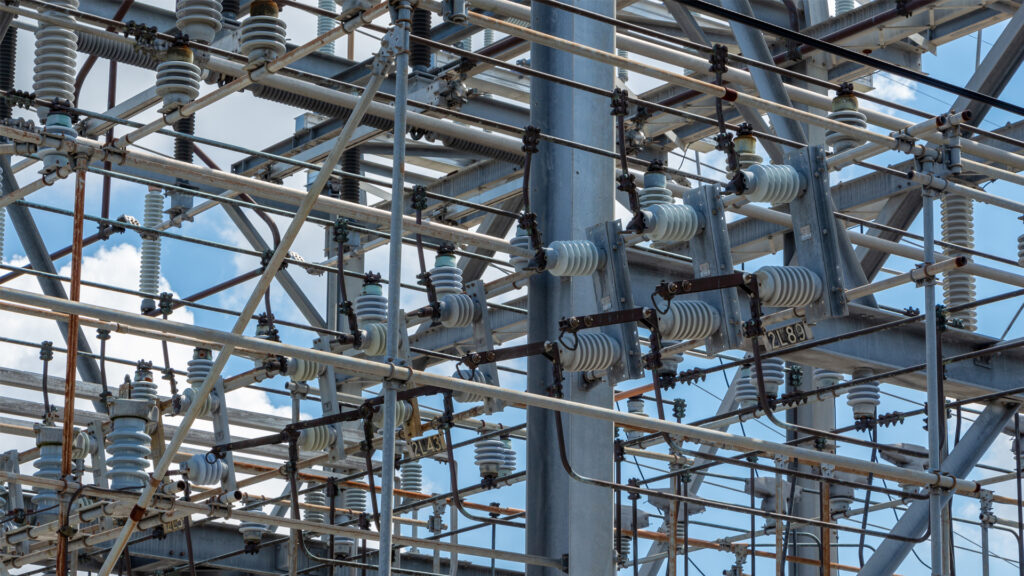 An FPL electric substation (iStock image)
The answer isn’t that FPL is uniquely villainous. The answer is that Florida’s regulatory structure makes this outcome almost inevitable.
Investor-owned utilities operating outside competitive wholesale power markets, which describes most of the Southeast, earn guaranteed returns on capital with captive customers who have nowhere else to go. Florida ratepayers cannot switch utilities. They cannot negotiate rates. They can file comments at PSC hearings, which FPL answers with 70,000 pages of filings and armies of expert witnesses.
Here’s the frustrating irony: The Energy and Policy Institute report that exposed FPL’s profit margins also found that states with independent consumer advocates at rate proceedings consistently produce better outcomes for ratepayers. Florida does have an Office of Public Counsel, statutorily created to represent ratepayers before the PSC. It opposed the $6.9 billion FPL rate hike. The PSC approved it anyway, and the Office of Public Counsel was shut out of the settlement entirely.
An advocate with six attorneys going up against a utility that filed 70,000 pages of testimony is an advocate in name only. Florida needs to strengthen the Office of Public Counsel’s funding, staffing and authority to match the effectiveness seen in states where ratepayers actually win.
FPL’s authorized return on equity is 10.95% versus the national average of 9.7%. That gap doesn’t sound dramatic. But applied to FPL’s rate base, it represents hundreds of millions of dollars that flow to shareholders rather than rate relief. That’s not a reward for performance. That’s a structural advantage embedded in the rate-making formula.
When a bill emerged in the Florida Legislature this past session that would have examined that formula and lowered electric costs, FPL lobbied it to death. The company that reported $5 billion in profit spent resources killing a bill that would have helped 12 million customers keep more of their money.
The real choice
 Mark McNees
Regulated monopoly utilities serve an essential function. FPL does invest in solar capacity and battery storage. It does maintain one of the more reliable grids in the Southeast. That work deserves fair compensation.
But 27.44% profit margins are not fair compensation. They are the outcome of a regulatory process that has tilted decisively toward shareholders and away from ratepayers.
The PSC could lower FPL’s authorized return on equity to match national norms. The Legislature could mandate cost-causation principles in rate design and give the Office of Public Counsel the resources to actually compete.
None of that is radical. All of it is market accountability applied to a regulated monopoly.
Twelve million Floridians cannot choose a different power company. The least their regulators can do is choose to represent them.
Dr. Mark McNees is the director of Social and Sustainable Enterprises at Florida State University’s Jim Moran College of Entrepreneurship. He writes and speaks on U.S. energy policy and serves as managing consultant at The McNees Group. Banner photo: High-voltage power lines (iStock image).
Sign up for The Invading Sea newsletter by visiting here. If you are interested in submitting an opinion piece to The Invading Sea, email Editor Nathan Crabbe.