
1 / 3
SANIBEL SEA SCHOOL
2 / 3
SANIBEL SEA SCHOOL
3 / 3
SANIBEL SEA SCHOOL
[expand]
close
The Sanibel-Captiva Conservation Foundation’s (SCCF) Sanibel Sea School continues to engage The Sanibel School’s middle schoolers through hands-on marine science and environmental education.
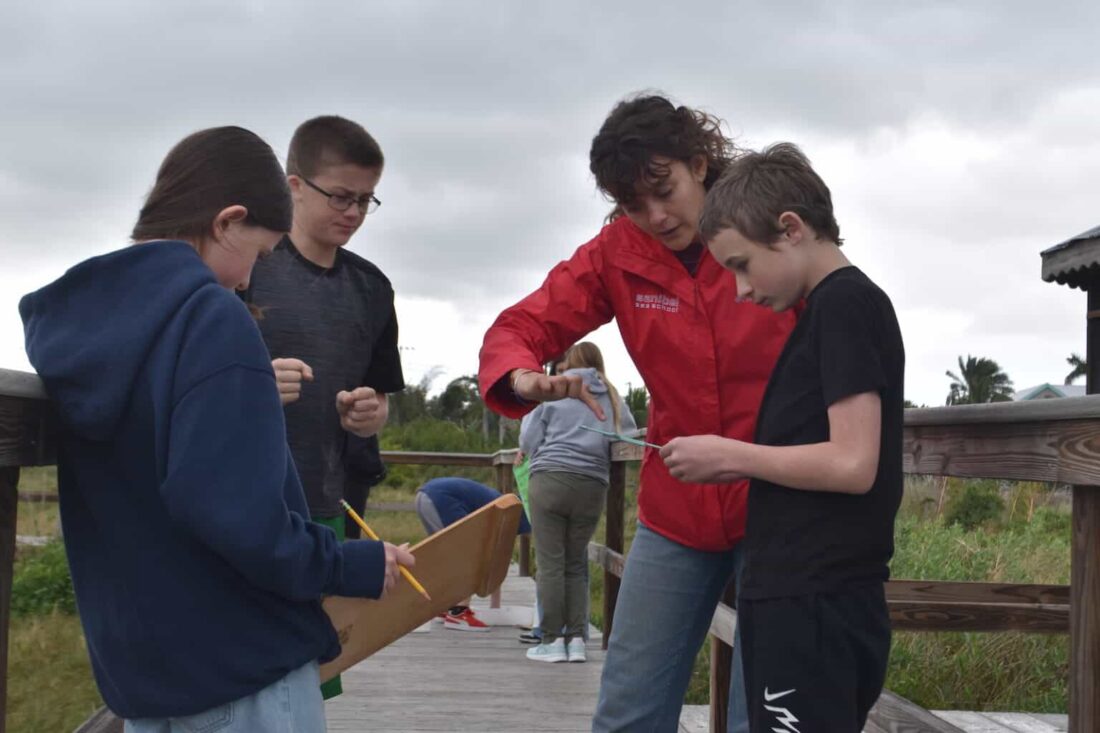
It reported that the collaborative program supports classroom learning, while connecting students directly to the coastal ecosystems that shape life on Sanibel and Captiva. Throughout the year, they participate in interactive labs, field experiences and inquiry-based activities led by marine science educator Izzy Lutz.
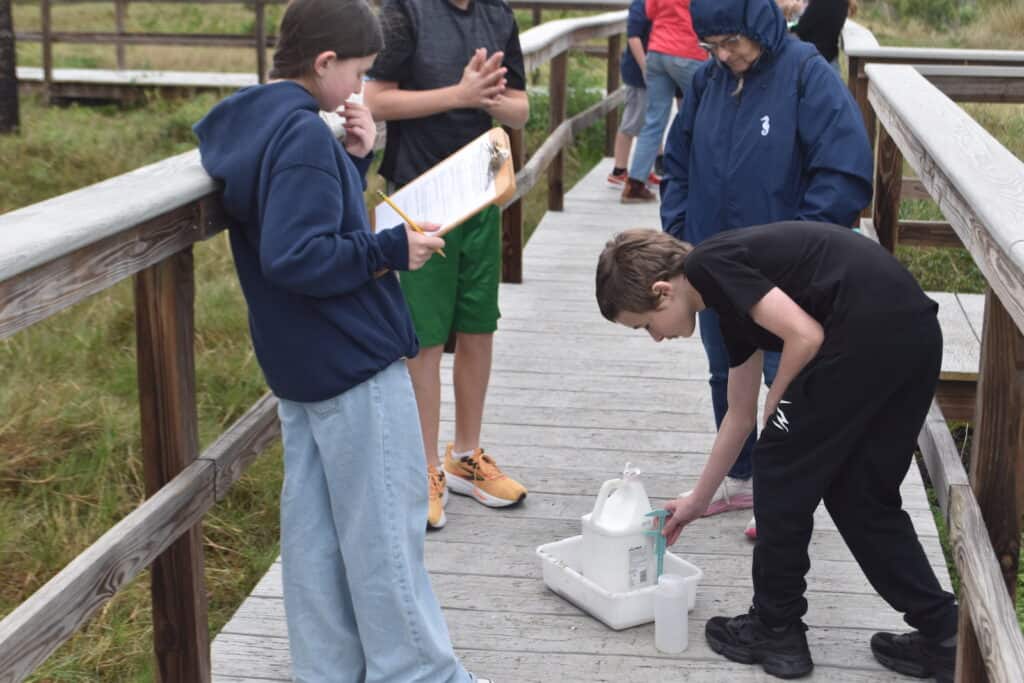
In December, seventh graders gained first-hand experience in comparative anatomy through a shark dissection, and eighth-grade students focused on environmental science and data collection in a water-quality lab.
“They tested local water samples and examined how physical, chemical and biological factors influence ecosystem health,” Lutz said. “These lab-based experiences emphasize real-world applications of science and encourage students to think critically about human impacts on coastal and marine environments.”
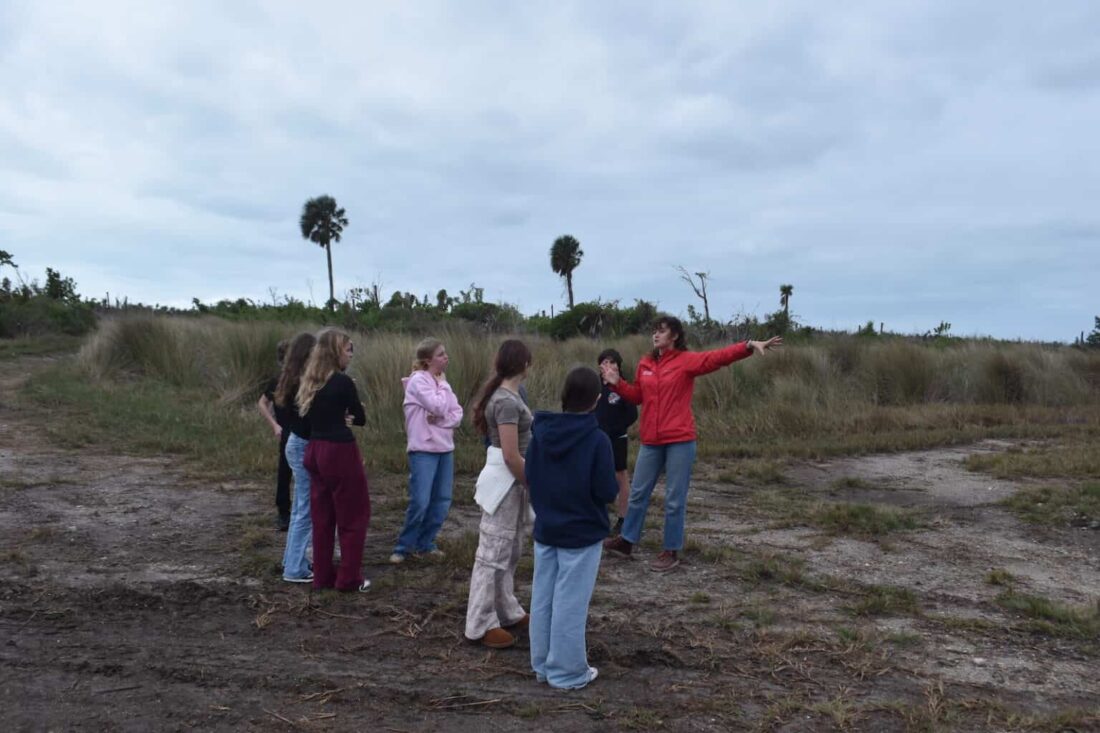
On Jan. 15, sixth and seventh grade students explored the SCCF’s Pick Preserve, located across the street from the school. They learned more about the impact development has on local ecosystems, specifically the impact of flooding from building on undeveloped land in Florida. Students conducted an experiment demonstrating how subsidence is increasing the flood risk on Florida homes and businesses using saturated sponges, sand and weights.
It noted that visiting the preserve’s protected interior freshwater habitats and upland hardwood hammock gives students the opportunity to experience conservation in action beyond the classroom.
In April, sixth graders will focus on understanding how scientists organize and study living organisms through a classification lab, and seventh graders will explore microscopic life during a plankton lab.
In addition to individual labs and field trips, sixth grade students participate in a year-long Mangrove Research and Restoration Project led by SCCF environmental educator Richard Finkel. They design research projects to determine optimal growth mediums for mangrove propagules, care for the plants throughout the school year, and analyze their results through scientific presentations.
The project will culminate on May 1, with a mangrove planting event at a local restoration site with the SCCF.
“This is the fifth year we’ve done the project with sixth graders. Students gain practical experience with scientific research and presentations,” Finkel said. “It’s a great way to connect Sanibel students to SCCF’s mission.”
Sanibel middle school science teacher Michele Mitnitsky emphasized the value of the partnership.
“Having Sanibel Sea School and SCCF involved gives our students the opportunity to learn science in a way that feels real, relevant and exciting. They love getting outside and learning through hands-on activities,” she said. “We’re thrilled to continue working together to inspire future scientists and environmental stewards.”