
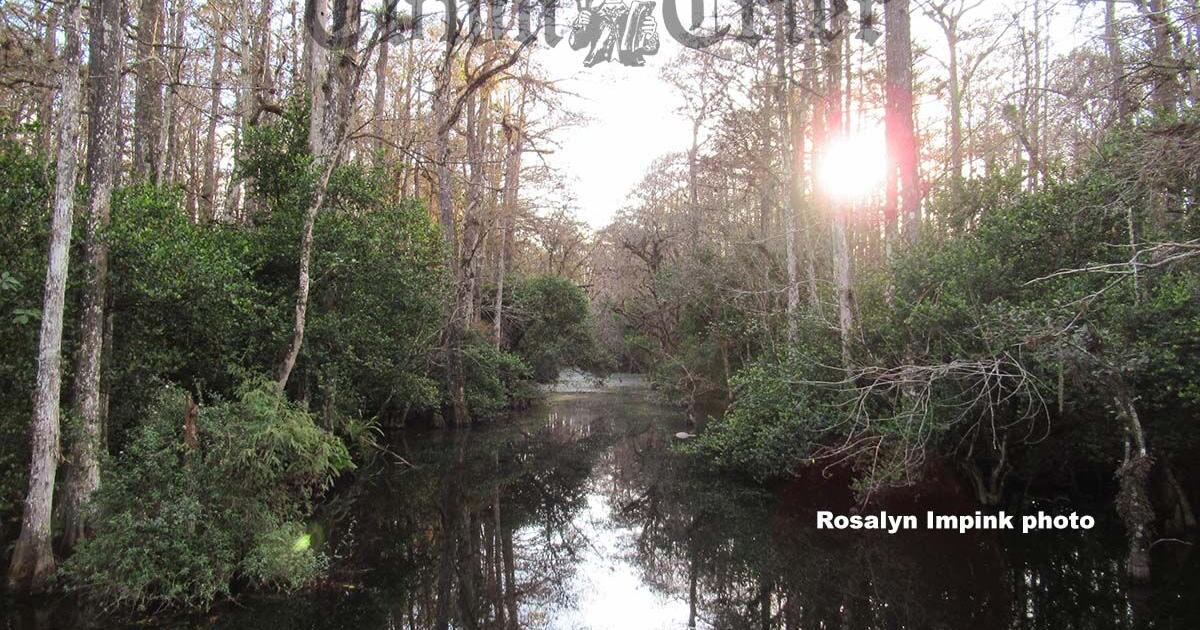
If you hear “Florida” and think “swamp,” Big Cypress National Preserve will prove you right — and also showcase the incredible natural wonders of south Florida. With over 700,000 acres encompassing five different habitats, Big Cypress is home to over 100 endangered and threatened species, giving visitors a safe look at some of the rarest creatures in the country.
One of the first national preserves in the country, Big Cypress was established in 1974. Part of the national park system, parks and preserves differ in that certain activities are allowed in preserves as long as they do not jeopardize natural resources; for example, some hunting is allowed at Big Cypress.
The park’s Oasis Visitors Center is located directly between Naples to the west and Miami to the east on the Tamiami Trail. Don’t let the hour-long drive deter you as there’s plenty to see on the way — namely dozens upon dozens of 12-foot-long alligators basking along the roadside. They’re a safe distance away across a drainage canal — perfect for snapping a picture.
For an even better look at the gators, the boardwalk at the visitors center provides a bird’s eye view of the Big Cypress wildlife. The interpretive trail is short but provides a surprisingly meditative experience as gators, turtles and fish glide by.
The visitors center is an excellent opportunity to engage with the culture and history of the region. A rotating gallery showcases local art, and several films are available to dive deeper into the unique natural identity of the preserve.
The preserve abuts the land of the Miccosukee tribe, and an exhibit is dedicated to the tribe’s centuries-old history of alligator wrestling. Try your hand at prying open the jaw of a mechanical alligator — an alligator can exert over 2,000 pounds per square inch of jaw pressure.
Big Cypress is a popular hiking and camping location; it is the southern terminus of the Florida National Scenic Trail, which stretches 1,500 miles to Pensacola Beach. Check the preserve’s schedule for ranger-led talks and tours, including canoe trips, bike programs and boardwalk chats; the park even offers a daily “wet walk” where visitors can wade through swamp waters on a guided tour (bring old shoes and a change of clothes).
Kids can participate in the Junior Ranger program by learning about the park and completing fun activities. Got time to stay past dark? Astronomy programs give visitors the opportunity to see one of the darkest night skies on the east coast — Big Cypress was named an International Dark Sky Park in 2016.
To truly get immersed in Big Cypress, take the 24-mile Loop Road that runs south from Oasis Visitors Center and east back towards Miami. The cypress swamp is teeming with red-shouldered hawks, egrets, anhingas, and woodpeckers, as well as the invasive Burmese python.
The road traverses several different habitats, including swamp, slash pines, a hardwood hammock, and cypress strand. High up in the trees are hundreds of thousands of air plants, soilless plants that directly absorb light and nutrients through their leaves.
Whether you’re looking for weird, wild or just wetlands, Big Cypress is an adventure deep in the heart of Florida.
Visit www.nps.gov/bicy for planning guides and park updates.