
By Ellen Cruse
Energy costs are fast becoming another financial stress for Florida families. Almost two-thirds of Americans who pay monthly electricity and gas bills report that their utility costs are higher now than they were one year ago, according to 2025 PowerLines/Ipsos survey. The average household price of electricity in the U.S. rose by nearly 10% in 2025.
 Utility bills being calculated (iStock image)
On Florida’s Space Coast, we are bracing for more record high temperatures as summer approaches. Our air conditioners will be working hard to keep us comfortable and safe, and our Florida Power and Light (FPL) energy bills are 2% higher than last year after the Florida Public Service Commission approved rate increases that went into effect Jan. 1.
More rate increases are scheduled annually through 2029, adding to affordability challenges. I used FPL’s “estimated average annual total bill calculator” and learned that my monthly average 800 KWh usage will cost me an additional $188.18 per year in 2029. That’s over 10% more than I was paying in 2025.
But families in the Sunshine State shouldn’t have to worry about being stuck with soaring utility bills. Congress has the opportunity to bring down prices by making it easier and faster to build and connect clean energy.
How? By updating America’s slow, outdated federal permitting process. Renewable energy is now the cheapest form of energy available to us, but right now, it can take nearly a decade to permit and build. That delay means communities like ours are stuck with limited energy supply from outdated energy sources while cheaper and cleaner options wait on the sidelines.
Our growing economy, artificial intelligence and the space program are increasing energy demand, but outdated permitting rules are slowing construction and driving up costs for the energy we need — much of which is homegrown clean energy from the sun. By cutting unnecessary delays and clarifying the rules, we can lower energy prices, create more American jobs and strengthen our energy independence.
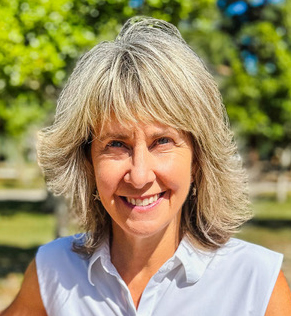 Ellen Cruse
Encouragingly, permitting reform is gaining momentum in Congress. On Jan. 28, the Senate Environment and Public Works Committee held a hearing on federal permitting, with bipartisan agreement that reforms are possible.
Senators discussed the need to balance speed with environmental stewardship and public input. Overall, the general consensus was we must accelerate energy projects — most of them clean — to meet growing demand from data centers, manufacturing and AI.
This is all encouraging, but we need to move from discussions to action. I hope to see Sens. Rick Scott and Ashley Moody and Rep. Mike Haridopolos build on this bipartisan effort and work toward meaningful comprehensive legislation.
Ultimately, permitting reform is not about politics. It’s about ensuring hardworking families in Florida can afford to cool our homes, businesses, schools and places of worship without breaking the bank. Faster permitting could mean new projects breaking ground sooner, new transmission lines connecting clean power to our homes and new opportunities supporting communities across the state.
No family in Florida should have to fear a crushing energy bill — especially when clean, affordable solutions are already within our reach.
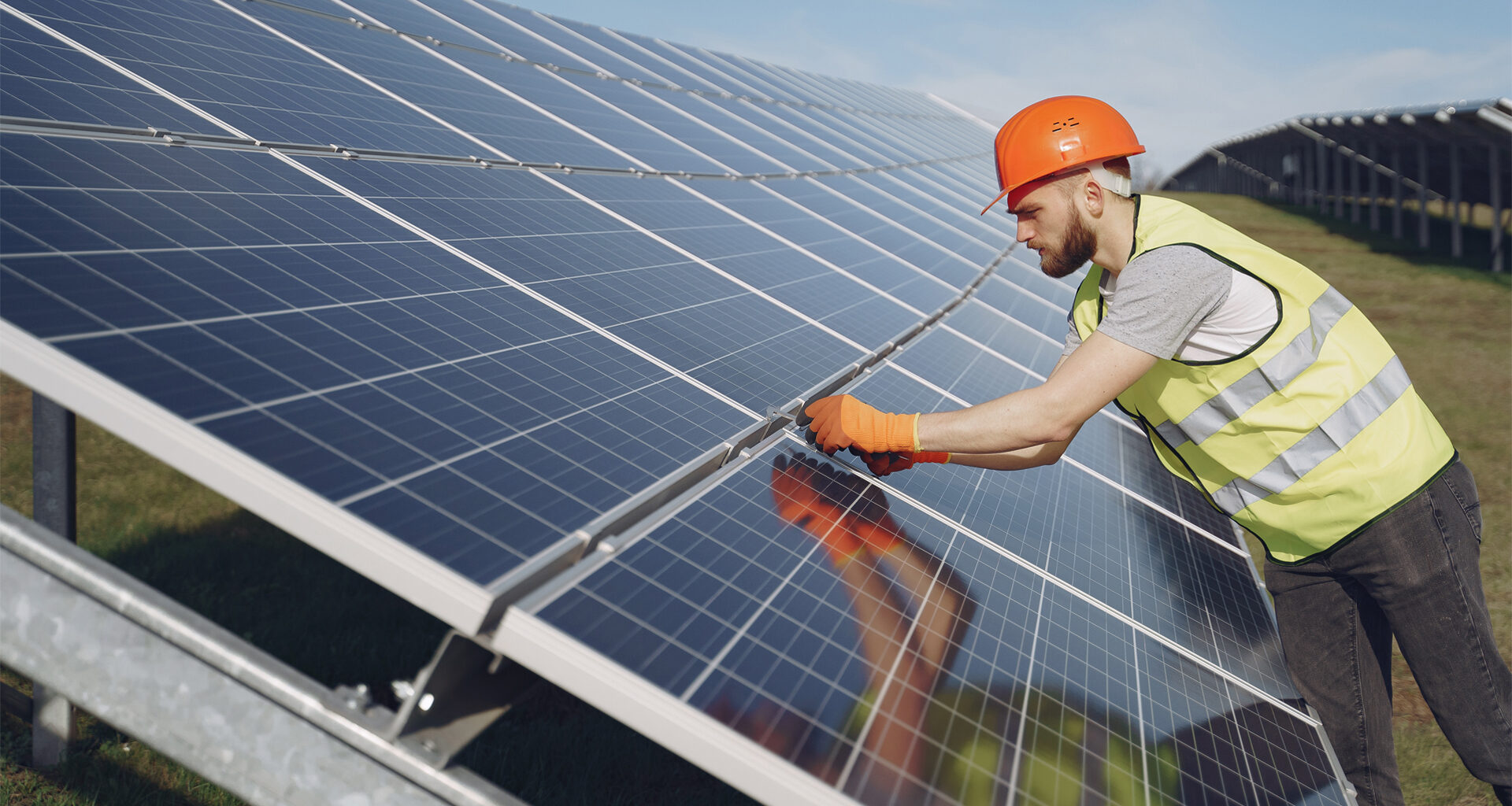
Ellen Cruse lives in Cocoa Beach and is a volunteer with the Space Coast chapter of Citizens’ Climate Lobby, a nonpartisan, grassroots advocacy organization that empowers everyday people to work together on climate policy. Find out more at cclusa.org. Banner photo: A worker adjusts solar panels (iStock image).
Sign up for The Invading Sea newsletter by visiting here. To support The Invading Sea, click here to make a donation. If you are interested in submitting an opinion piece to The Invading Sea, email Editor Nathan Crabbe.