
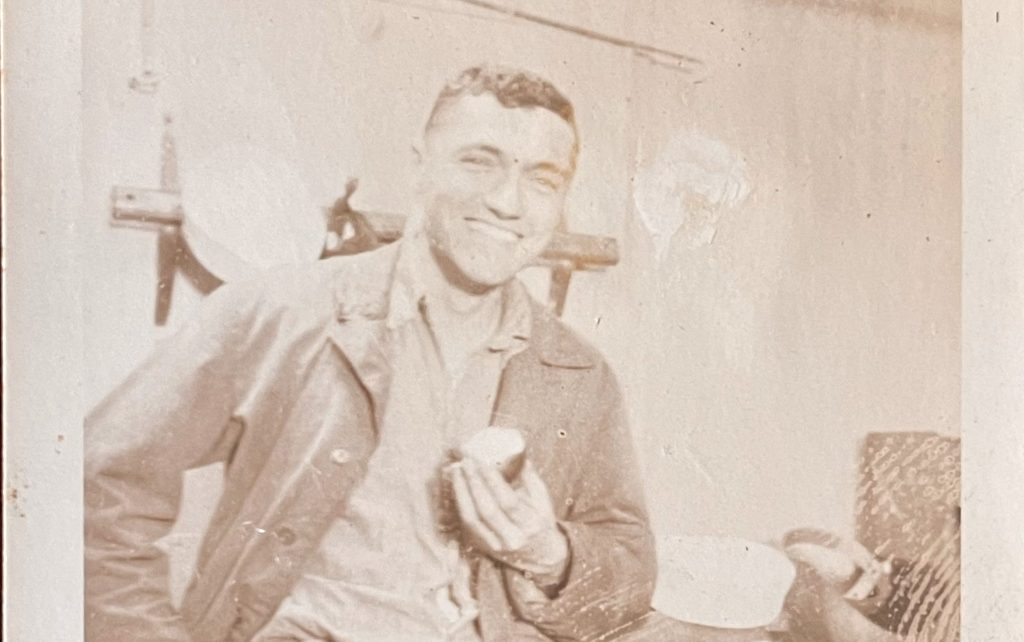
On April 17, 1966, a handsome 28-year-old man named Jerry Coffey met up with friends at a gay club called Val’s Catering in Oakland Park. The club was located where Catfish Deweys is today. Back in 1966, gay people in the area flocked to Val’s on weekends to meet others like them. It was the only place for miles where gay people could slow dance with one another.
It was a busy night. At around 1:30 a.m., not much after April 16 melted into the next day, about 150 people lingered in the club. Coffey recalls how the music suddenly stopped. Management announced that the club had been raided. They told them they had to leave. Club staff even brewed them coffee, perhaps to help make them more alert or sober up for when they faced the police and media circus waiting outside.
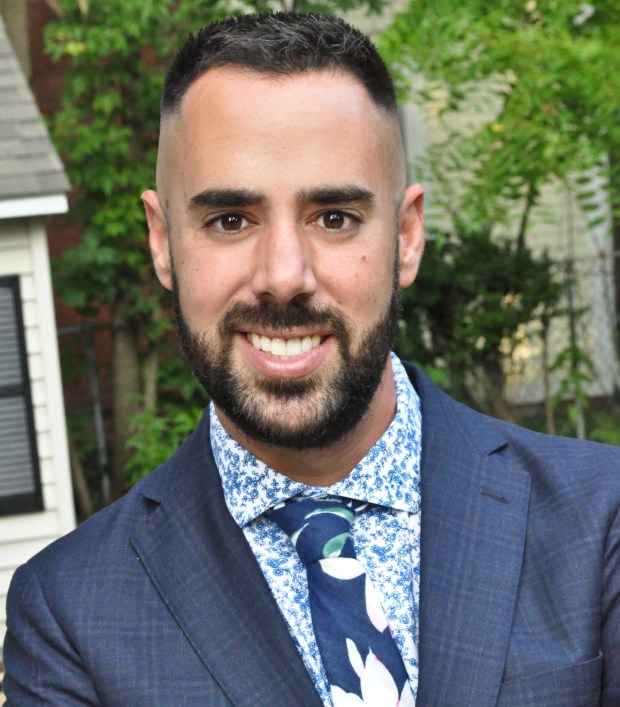 Julio Capó is an associate professor of history at Florida International University. (courtesy, Julio Capó)
Police throughout the United States regularly raided gay hangouts in the 1950s and ‘60s. They continued to do so for decades after that, too. It was the resistance to a police raid of a gay bar called the Stonewall Inn in New York City in June of 1969 that helped usher in a new phase in the gay rights movement. Hundreds took to the streets to fight back against the state’s habitual harassment.
At Val’s, more than three years before Stonewall, 15 law enforcement officials waited outside the club. Police interrogated people as they walked out. They demanded to see identification and asked where patrons worked, lived and with whom they came.
Local media also showed up. When people walked out of Val’s, a cameraman ran to take their picture. Those caught leaving the club risked violence, job loss, and isolation from their family and communities.
Coffey had the good fortune of meeting a young lesbian at Val’s hours before the raid. She worked as a telephone operator at Southern Bell. The woman asked Coffey to exit the club with her, hand-in-hand, so that they would appear as a straight couple. It worked. The police and media left them alone. “I never saw her again in my life,” Coffey recalled. “We helped each other.”
Over the previous decade, state officials expanded campaigns targeting gay people. Lawmakers created the Florida Legislative Investigation Committee, better known as the Johns Committee (so named in honor of its main architect, state senator and temporary governor Charley E. Johns), in 1956 in the wake of the U.S. Supreme Court’s decision to desegregate public schools two years prior.
This investigative body initially sought to curb and undo advances in Black civil rights. But when that proved unsuccessful, the Johns Committee shifted its attention to ferreting out lesbians and gays from positions of power, especially from institutions of education.
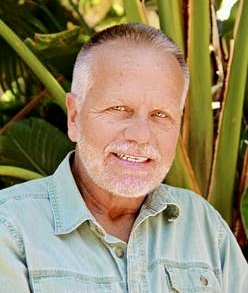 Fred Fejes is a professor emeritus at Florida Atlantic University. (courtesy, Fred Fejes)
Although the Johns Committee disbanded in 1965, by then, it had helped create a centralized system to launch antigay attacks, much like the raid at Val’s. It spent years training and offering resources to towns, cities and counties across the state to police gay people.
People like Coffey learned to adapt. When management announced the club had been raided, Coffey went to the bathroom and flushed several of his identifying documentation down the toilet. If caught, police would need to work harder to identify him. He also parked nearly two blocks away and walked to the club. He knew officials regularly tracked the license plates of cars in a gay club’s parking lot.
Although the raid scared Coffey, it didn’t stop him from going to gay hangouts. He returned to the gay clubs within a week or so. “You know, you gotta’ live!” he said.
In 1970, Coffey purchased a fixer-upper and opened a business he called SIR, or Single Individuals Residences, near Federal Highway and Las Olas. He marketed it as “a gentleman’s guesthouse,” one of the first gay guesthouses of its kind in the area.
Within years, the Fort Lauderdale area transformed into one of the nation’s most popular gay tourist destinations. For decades, hundreds of people like Coffey risked so much to convert dangerous or run-down places — such as Val’s and SIR — into spaces where people could forge new friendships, find love and companionship, and build community. No raid could stop them.
Julio Capó is an associate professor of history at Florida International University, and Fred Fejes is a professor emeritus at Florida Atlantic University. They are curating an exhibition, “Coming Out of the Shadows: Gay Fort Lauderdale in the 1960s,” for History Fort Lauderdale, which will be on view for free all June at the Galleria Fort Lauderdale. For more information, visit historyfortlauderdale.org.