

Get insights on thousands of stocks from the global community of over 7 million individual investors at Simply Wall St.
Wayfair (NYSE:W) is opening its first large-format Florida store at Galleria Fort Lauderdale.
The company is tying the store launch to a heavily promoted, multi-day “Way Day” sales event with exclusive deals and in-store activities.
The move expands Wayfair’s offline footprint while aiming to drive both online and in-person customer engagement.
Wayfair enters this phase with its shares at $81.33 and a mixed return profile, including a 13.5% gain over the past week and 12.4% over the past month, alongside a 23.7% decline year to date. Over longer periods, returns are very strong over 1 year and 3 years, while the 5 year return shows a large pullback. For investors, that combination points to a stock that has already seen sharp swings in sentiment.
The Florida store opening, paired with the Way Day event, gives a clearer view of how Wayfair is leaning into both physical retail and large promotional moments at the same time. As the company builds out this model, it may offer more visibility into how online traffic, in-store activity, and promotional spend fit together in its broader approach.
Stay updated on the most important news stories for Wayfair by adding it to your watchlist or portfolio. Alternatively, explore our Community to discover new perspectives on Wayfair.
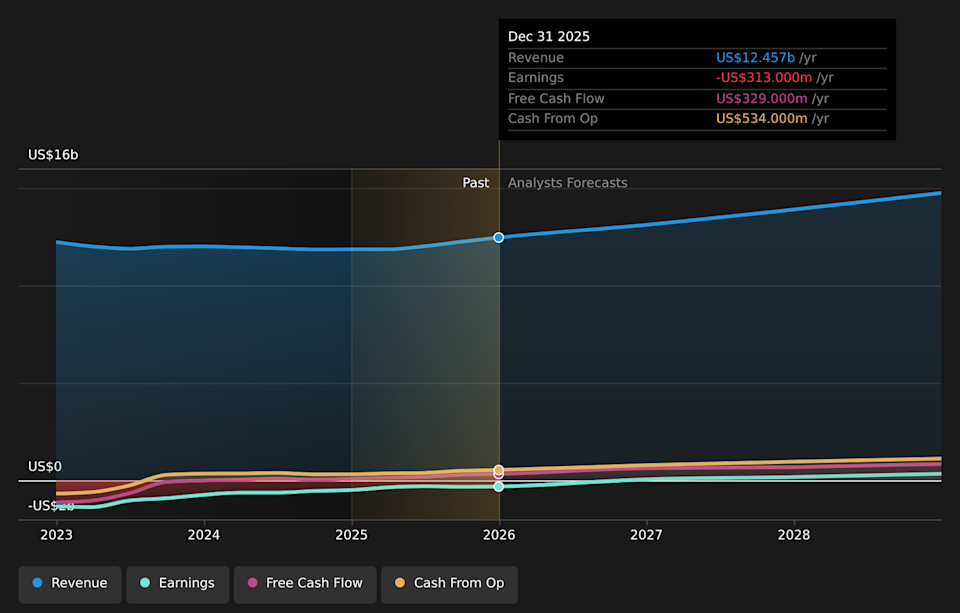 NYSE:W Earnings & Revenue Growth as at Apr 2026
We’ve flagged 1 risk for Wayfair. See which could impact your investment.
The Fort Lauderdale large-format store and the heavily promoted Way Day event point to Wayfair leaning into a more hybrid model, where physical locations support ecommerce rather than replace it. A 94,000 square foot store with design services, Wayfair Verified assortments, and immediate take-home options could deepen engagement across higher ticket categories such as furniture, appliances, and outdoor. For investors, the key question is whether this store-led approach scales profitably or simply adds fixed costs in a still competitive US home goods market that includes players like Home Depot, Lowe’s, and IKEA. The recent 6.9% year-on-year revenue growth and three consecutive quarters of new customer gains show that demand exists, but large promotional events like Way Day and free shipping also put pressure on margins. Execution risk sits in how well Wayfair uses its logistics network and data to convert store traffic into repeat online customers, while keeping advertising and operating costs in check.
The Fort Lauderdale opening, with tailored assortments and Wayfair Verified products, aligns with the narrative that physical stores and curated offerings can support revenue growth and customer engagement.
The heavy emphasis on promotions and store build-out also highlights the narrative risk that high marketing and investment spending could weigh on profitability if conversion and order frequency do not keep pace.
The planned role of this store in a redeveloped mixed-use center, and the focus on regional lifestyle assortments, adds a location-specific element that is not fully captured in the broader narrative about logistics and cost efficiencies.
Knowing what a company is worth starts with understanding its story. Check out one of the top narratives in the Simply Wall St Community for Wayfair to help decide what it’s worth to you.
⚠️ Large physical stores introduce higher fixed costs and execution risk if local demand at sites like Fort Lauderdale does not match expectations.
⚠️ Heavy use of promotions and free shipping during Way Day could pressure margins if customers are highly discount sensitive or if logistics costs remain elevated.
🎁 The combination of store expansion and Way Day promotions may deepen brand awareness in key markets and support repeat order growth across channels.
🎁 Wayfair’s logistics network and design services can help differentiate the customer experience versus online-only or store-only rivals, which may support its position in a contracting home category.
Investors will want to track how new large-format stores in Fort Lauderdale and other cities affect overall sales, especially in nearby zip codes, and whether they correlate with continued growth in new and repeat customers. It is also important to watch the balance between revenue growth and adjusted EBITDA, given management’s focus on both, to see if promotions like Way Day are driving profitable volume rather than just short term spikes. Trends in order frequency, average ticket size, and any comments on store-level economics in future updates can help indicate whether the offline expansion is supporting or diluting returns from Wayfair’s core online model.
To ensure you’re always in the loop on how the latest news impacts the investment narrative for Wayfair, head to the community page for Wayfair to never miss an update on the top community narratives.
This article by Simply Wall St is general in nature. We provide commentary based on historical data and analyst forecasts only using an unbiased methodology and our articles are not intended to be financial advice. It does not constitute a recommendation to buy or sell any stock, and does not take account of your objectives, or your financial situation. We aim to bring you long-term focused analysis driven by fundamental data. Note that our analysis may not factor in the latest price-sensitive company announcements or qualitative material. Simply Wall St has no position in any stocks mentioned.
Companies discussed in this article include W.
Have feedback on this article? Concerned about the content? Get in touch with us directly. Alternatively, email editorial-team@simplywallst.com