
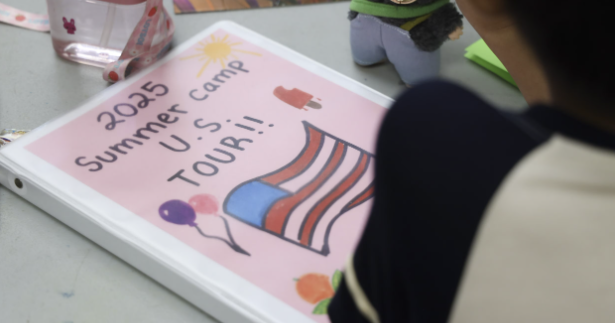
In Tampa, summer should be a time for kids to explore, build friendships and discover new passions. But for many families across our region, the summer camp experience remains out of reach. In fact, 45% of K-12 students nationwide miss out on this critical opportunity for fun, friendship and learning every summer.
So, what’s holding parents back? Unsurprisingly: cost. For three-quarters of families, affordability is the biggest barrier. Parents report spending as much as $2,700 on summer camps and programs, and many fear price increases of up to 30%. More than half of parents are skipping summer camps altogether due to high costs, limited nearby options or concerns about whether programs are run by adults they can trust.
I experienced these challenges firsthand while searching for the right summer camp for my 10-year-old son, Elliot, in the Tampa area. For us, the biggest hurdle wasn’t just cost; it was finding a program that could truly support his needs.
At age 3, Elliot was diagnosed with autism and attention-deficit/hyperactivity disorder. While these diagnoses don’t define him, they shape how he experiences the world. Like any parent, I wanted an environment where he could feel safe, understood and included.
I’ll never forget the first time I enrolled him in a summer camp. He was five, and I chose a program designed for children on the autism spectrum, believing they would be equipped to support him. But one day, when Elliot became overwhelmed and upset, staff told me they would call the police if I didn’t pick him up within 20 minutes. I made it in time, but the experience left us shaken and deeply disappointed.
Unfortunately, our story isn’t unique. According to a survey by Boys & Girls Clubs of America, 1 in 3 parents of children with special needs report difficulty finding accepting summer camps. Even more concerning, 20% of those parents say their child has been asked to leave a camp because of their needs. And when families do find accommodating options, nearly half say those programs are higher cost.
After that experience, Elliot began Applied Behavior Analysis therapy, working year-round to better manage his emotions and strengthen his social skills. Over the next five years, his growth was incredible, and I knew he deserved another chance at summer camp.
This time, I looked for a program in the Tampa area with compassionate, well-trained staff; a balance of fun and educational activities; opportunities to connect with peers; and the flexibility to allow his therapist to support him on-site. Out of the 15 camps I explored, only our local Boys & Girls Club met all those needs.
Before enrolling Elliot, I spoke with the club’s director about the importance of maintaining his therapy during the day. It was a conversation I had tried to have with many other camps, without success. At the Boys & Girls Club, the response was different — the staff were eager to learn and collaborate to ensure Elliot could fully participate.
Like most parents, I wanted a camp experience that would help Elliot continue learning. Research shows that students in grades 1–8 can lose up to a third of what they learned during the school year over summer break. For children who are already behind, that gap can widen quickly.
At the Boys & Girls Club, Elliot didn’t just stay busy — he thrived. By the end of the summer, he was more comfortable initiating conversations with other kids and walked into the new school year better prepared, academically and socially.
Our experience reinforced something I now believe deeply: investing in safe, inclusive and affordable summer programs isn’t optional; it’s essential. And I’m not alone. Nearly 87% of U.S. parents say they want more free or low-cost summer camp options, especially for children with special needs.
Here in Tampa, where communities are growing and families are navigating rising costs, access to these programs matters more than ever. When school is out, camps provide structure, mentorship and meaningful human connections, something today’s generations urgently need. One-third of young people are struggling with poor mental health, and our country continues to face an epidemic of loneliness. At the same time, the average student remains about half a grade behind academically.
High-quality summer programs help close these gaps. They reduce summer learning loss, build confidence and create a sense of belonging that lasts beyond the season. For families like mine, and so many others across the Tampa area, access to inclusive, affordable camps can make all the difference.
Alicia Toles is a fundraiser and mother of two sons and a daughter. She has called the Tampa Bay area home for the past 10 years.